Lithuania and Latvia are considering blocking Russian grain transiting their ports, a move that would tighten one of Moscow’s remaining Baltic export routes at a time when Russia is already rerouting agricultural shipments away from damaged Black Sea infrastructure.
Lithuania, Latvia Consider Blocking Russian Grain Transit
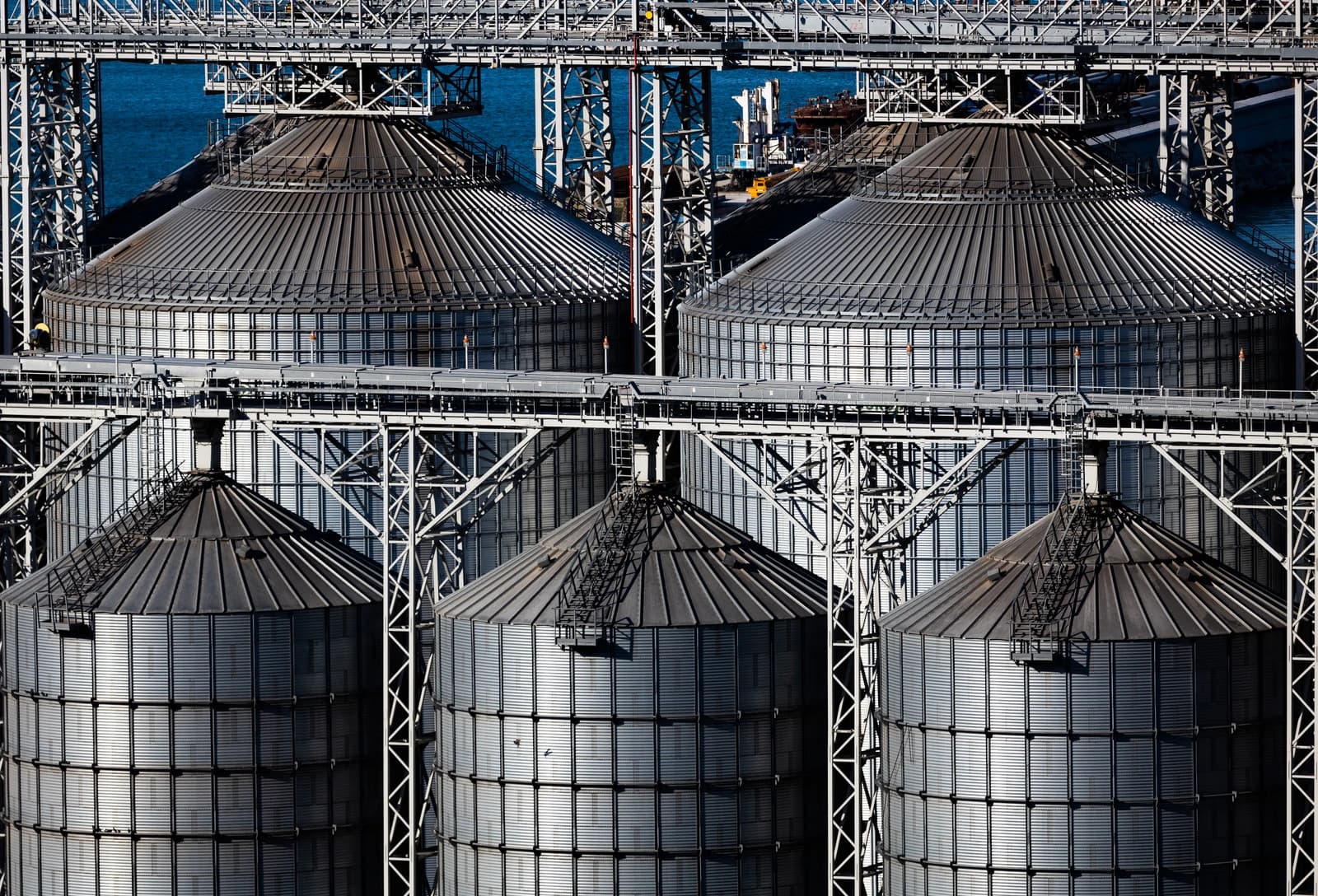
The proposal matters because grain is one of Russia’s most important export earners and because logistics, not just sanctions, are becoming a growing weapon in the contest over Russia’s wartime economy. A curtailment of Baltic transit would raise transport costs, lengthen delivery times and further fragment Russia’s export network, with knock-on effects for farm revenue, port usage and shipping flows across northern Europe.
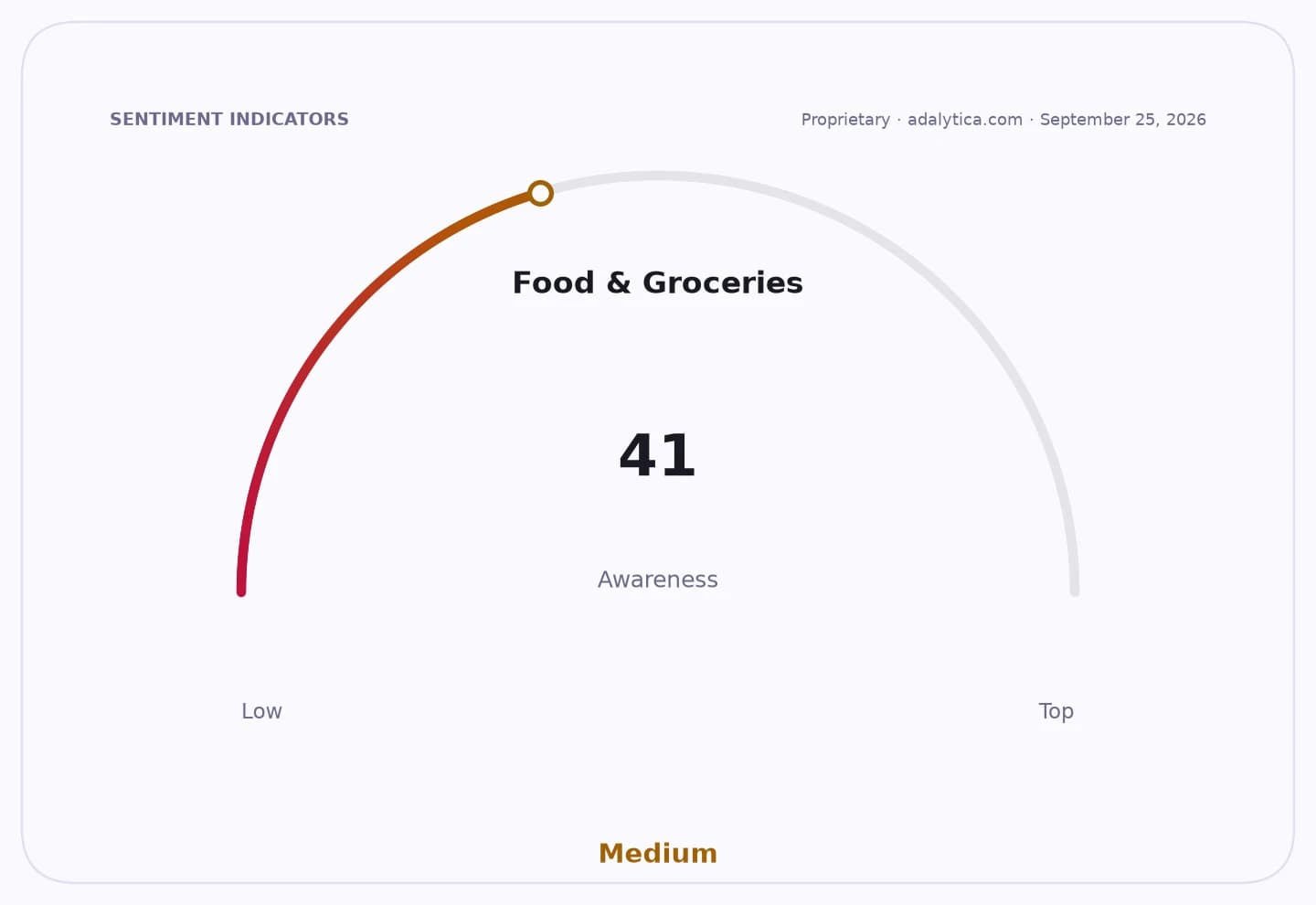
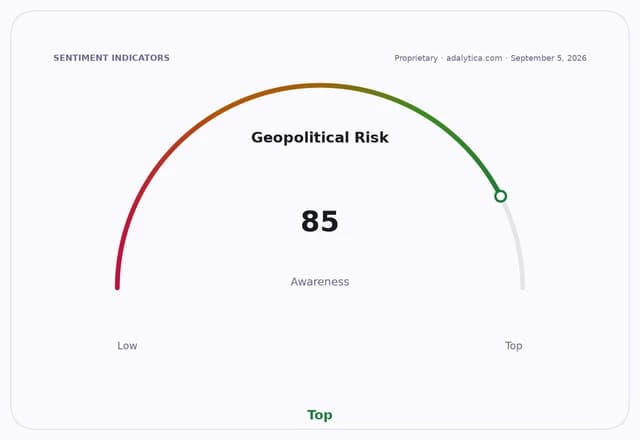
Sentiment IndicatorsⓘProprietary · adalytica.com · September 5, 2026
This is a snapshot — live sentiment, awareness and momentum for 130+ markets update continuously in the dashboard.Open AlphaPulse
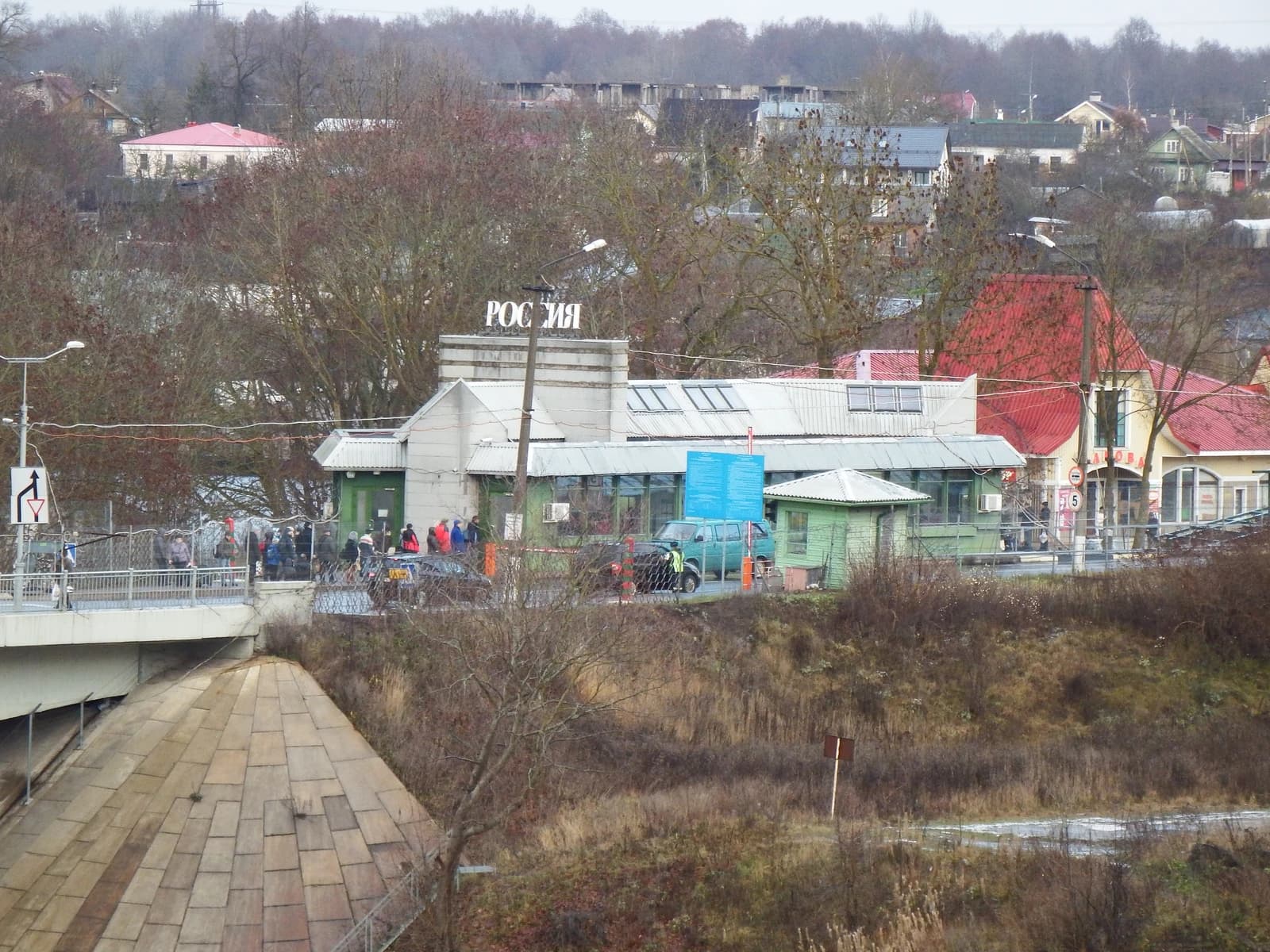
Reuters said Lithuania’s government is discussing restrictions after Russian grain volumes through Baltic ports increased, while Latvia is weighing a separate full ban on Russian grain exports through its territory. The traffic has picked up as Moscow leans more heavily on Baltic facilities after Ukrainian drone attacks disrupted Russian port infrastructure. Russian officials have also been shifting agricultural exports toward alternative routes via Baltic and Caspian ports, the Far East and land corridors.
The immediate economic impact would likely be felt first in freight markets and port operators, not in the global wheat price overnight. Russia remains a dominant grain exporter with enough routing options to keep cargoes moving, but each additional chokepoint raises costs and reduces flexibility. For Moscow, that is especially unwelcome at a time when it is also trying to cushion the economy from sanctions pressure and maintain hard-currency inflows from commodities.
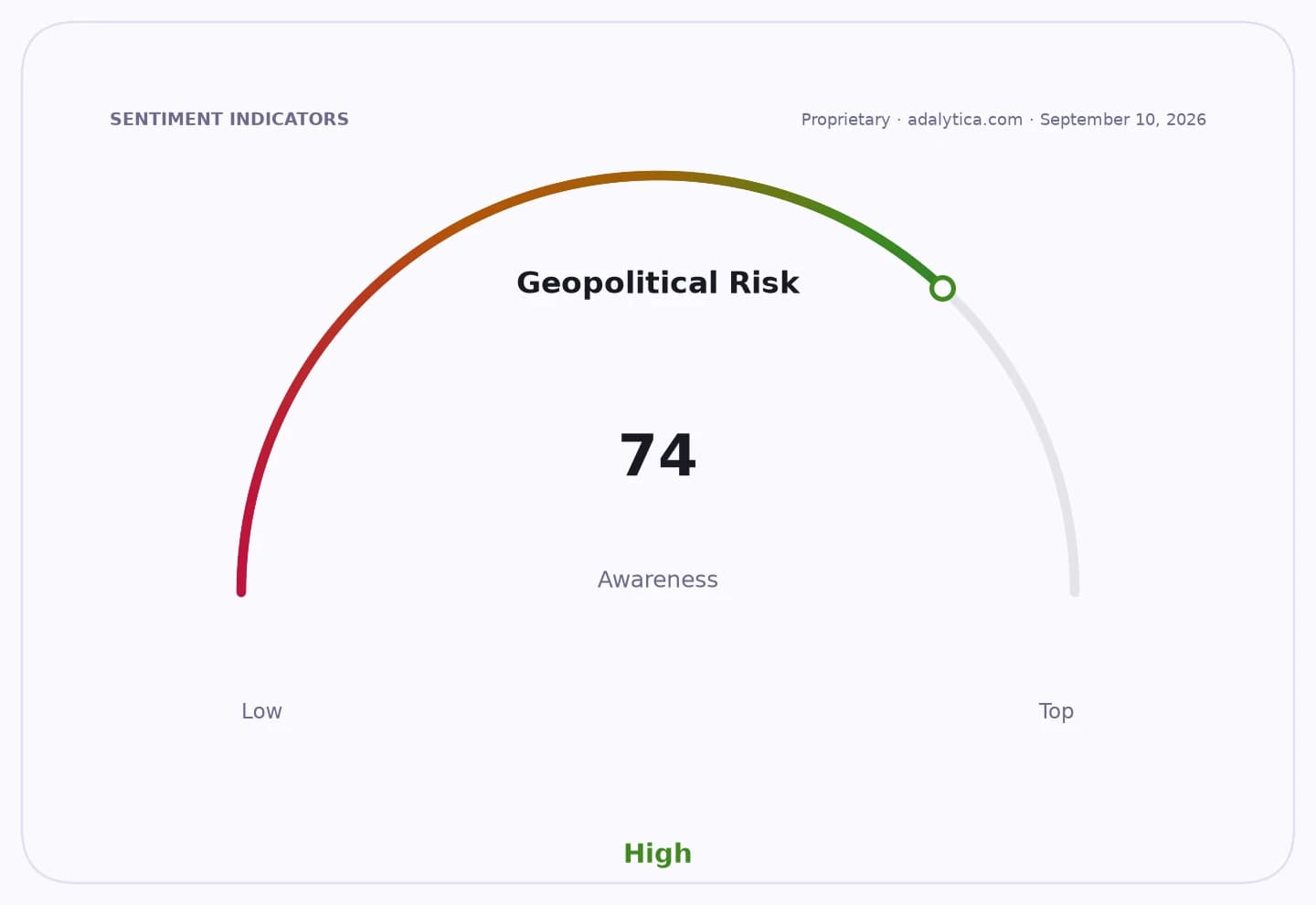
Geopolitical Risk — 30-day sentimentadalytica.com
Explore this data interactively — full history, time series and cross-market comparisons.Open AlphaPulse
For investors, the story reinforces how geopolitics is increasingly shaping trade infrastructure in Europe. Any disruption to Russian grain logistics could support regional shipping rates and help non-Russian exporters compete for market share, while also adding another layer of uncertainty for grain merchants, Baltic port users and insurers. The market has already been sensitive to conflict-driven supply shocks, as shown by the sharp moves in energy prices this year, and agricultural trade is now facing a similar geopolitical premium.
There is also a broader policy dimension. A ban on Russian grain transit would fit a wider European move toward economic coercion short of direct military escalation, adding to sanctions and other restrictions aimed at raising the cost of the war for Moscow. The counterargument is that the Baltics risk inviting retaliation or pushing trade further underground, while global food buyers could face more volatility if Russia keeps losing access to efficient export channels.
The next question is whether Lithuania and Latvia turn discussion into formal measures, and whether any restrictions are narrow enough to spare transit to Kaliningrad while still hitting broader Russian exports. If they do, the change would not stop Russian grain shipments outright, but it would deepen the logistical squeeze on a key export sector and underline how Europe’s pressure campaign is moving from finance and energy into physical trade routes.
| Entity | Gains | Losses |
|---|---|---|
| Lithuania and Latvia | ▲Leverage over Moscow | ▼Transit revenue and retaliation risk |
| Russia | ▲Alternative routes under pressure | ▼Higher logistics costs |
| Baltic ports outside Russia | ▲Potential cargo substitution | ▼Lower Russian throughput |
| Global grain buyers | ▲More route diversification | ▼Higher freight and price volatility |