France’s flagship savings account is seeing its worst half-year outflow since 2008, a warning that higher inflation and a lower regulated yield are eroding the appeal of cash-like deposits just as households are being forced to make tougher portfolio choices.
Livret A Outflows Signal Rising Yield Sensitivity

Withdrawals from the Livret A exceeded deposits by almost 6 billion euros in the first half, a net outflow that the Caisse des Dépôts has not seen in nearly two decades. The shift matters because the Livret A is not a niche product: it is the preferred savings vehicle for millions of French households and a core funding source for public and social housing. When it loses money, it signals that savers are no longer accepting the trade-off of safety over return at the old price.
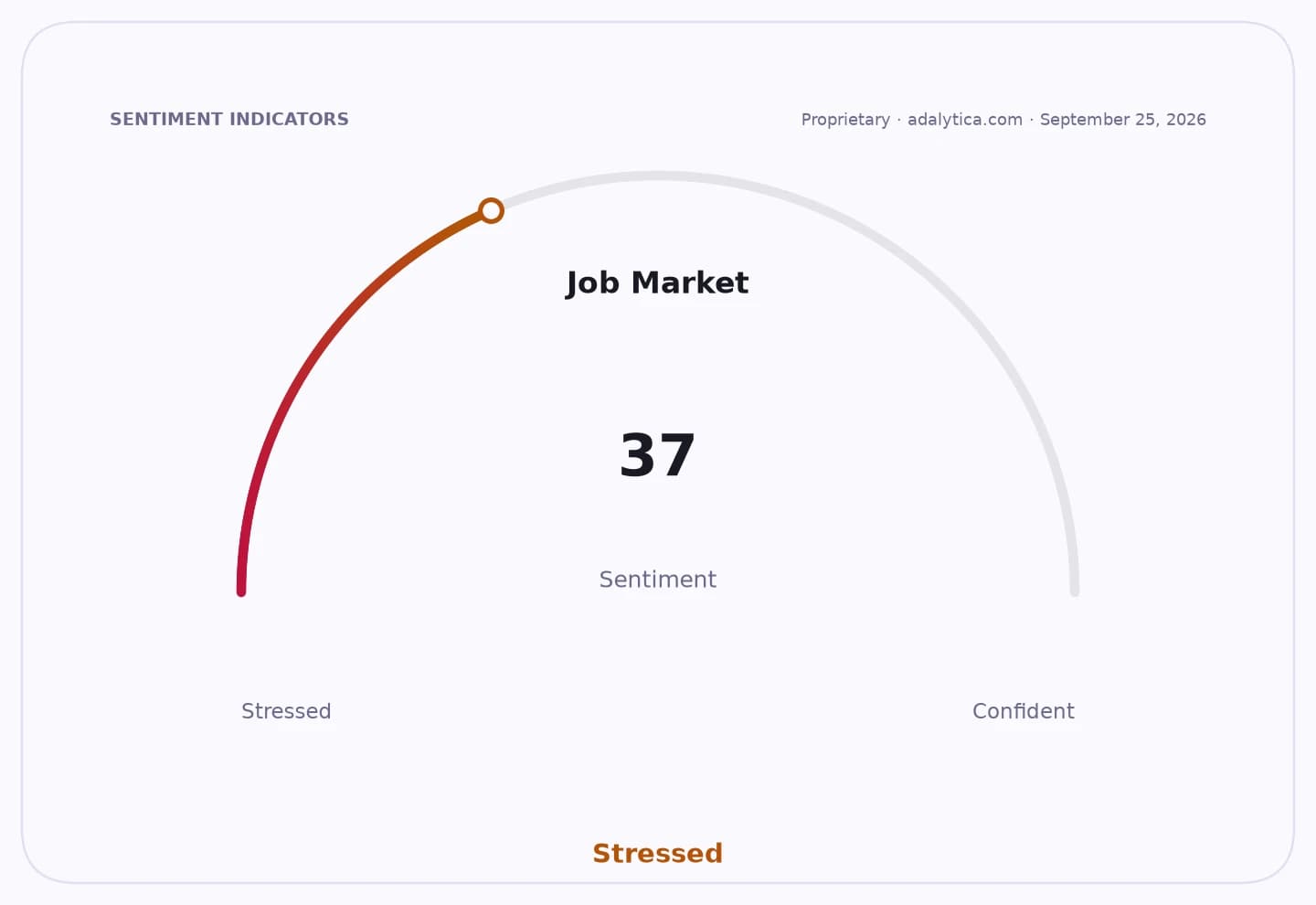
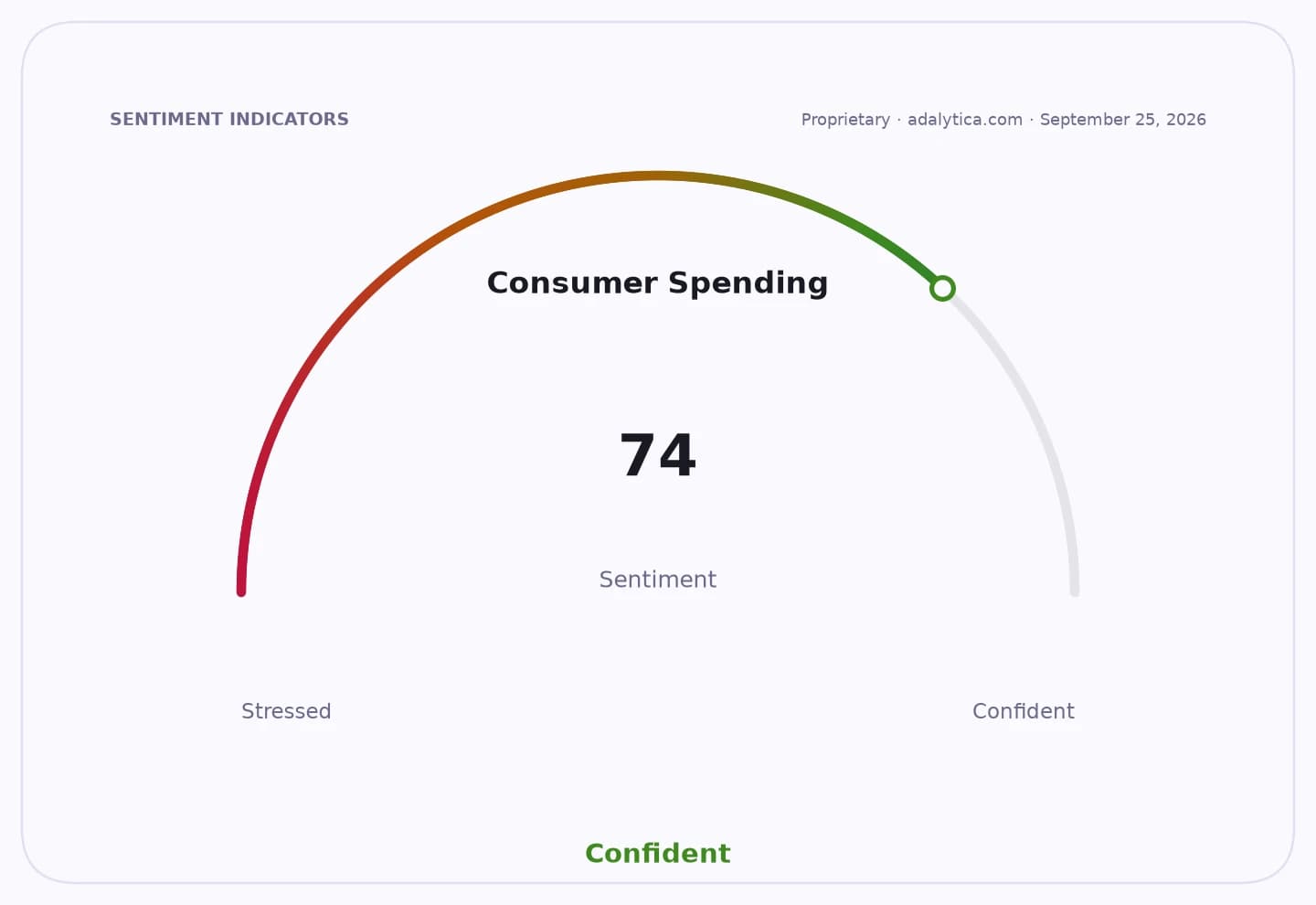
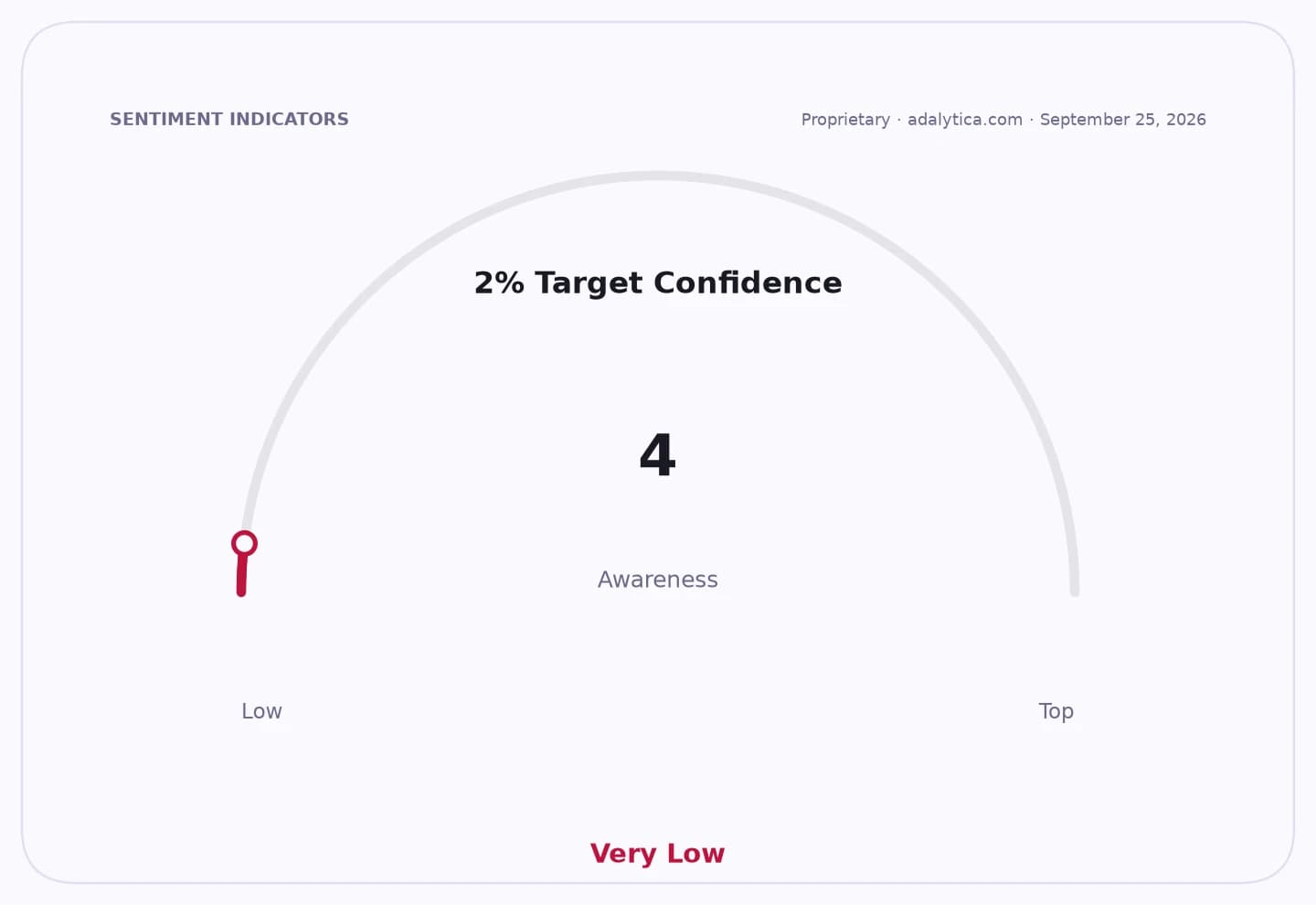
Sentiment IndicatorsⓘProprietary · adalytica.com · July 22, 2026
This is a snapshot — live sentiment, awareness and momentum for 130+ markets update continuously in the dashboard.Open AlphaPulse
The immediate driver is simple. The account’s yield has fallen even as inflation has picked up again, reducing its real return and making it harder for households to justify parking money there. That dynamic has been reinforced by a backdrop in which French consumer prices remain elevated relative to recent years, while 10-year French borrowing costs have been close to the mid-4% area, underscoring the broader repricing of capital across Europe. In that environment, a regulated savings product with a capped return looks increasingly unattractive to households that can find higher yields elsewhere, even if those alternatives involve more risk or lower liquidity.
For policymakers, the outflows are awkward. The Livret A is designed to mobilize household savings while preserving a politically acceptable minimum return. But if the rate lags inflation for long enough, the account stops behaving like a defensive refuge and starts leaking balances. That creates a tension between protecting savers’ purchasing power and preserving a cheap, stable funding base for the housing system that depends on it. A weaker inflow profile also suggests that monetary restraint is still biting in the real economy, even if headline inflation has eased from its peaks.
For investors, the story is less about the account itself than about what it says on household behavior. French savers are becoming more yield-sensitive after years of inflation shocks and higher market rates. That is a tailwind for money-market funds, term deposits and selected fixed-income products, and a headwind for administered savings instruments whose rates adjust slowly. It also reinforces the broader theme that the era of zero-opportunity-cost cash is over: once yields move higher elsewhere, even the most entrenched retail products can lose assets quickly.
The bullish case for the Livret A is that it remains government-backed, liquid and tax-advantaged, so it should still retain a base of highly risk-averse savers, especially if rate settings stabilize. The bearish case is that as long as inflation stays sticky and benchmark market rates remain elevated, withdrawals could continue, forcing the government to choose between protecting savers and protecting the account’s funding role.
What matters next is whether the rate reset can restore enough after-inflation appeal to arrest the outflow. If not, the Livret A’s slump may prove to be more than a seasonal fluctuation: it would be a sign that French households are permanently demanding a higher return for holding safe cash, with implications for banks, public housing finance and the broader cost of retail capital.
| Entity | Gains | Losses |
|---|---|---|
| Savers shifting to higher-yield products | ▲Better returns | ▼Less liquidity/security |
| Banks and money-market funds | ▲Fresh inflows | ▼Pressure on Livret A balances |
| Caisse des Dépôts / housing finance | ▲— | ▼Weaker funding base |
| French households on Livret A | ▲Government guarantee | ▼Real return erosion |