An LNG carrier was damaged and left “not under command” after attacks on tankers linked to Iran, sharpening the market’s focus on the fragility of global gas supply routes just as QatarEnergy has moved to secure 33 LNG cargoes from the US to support Asia’s energy needs.
LNG Carrier Damaged After Gulf Attacks; QatarEnergy Secures 33 Cargoes
The immediate economic risk is not just another headline in the Gulf. It is the prospect of higher freight costs, tighter shipping availability and a wider risk premium on LNG flows through one of the world’s most strategic energy corridors. When vessels carrying ultra-cold fuel are forced off normal operations, the market begins to price in disruption not only to the cargo at sea, but to the reliability of future deliveries, insurance cover and vessel deployment.
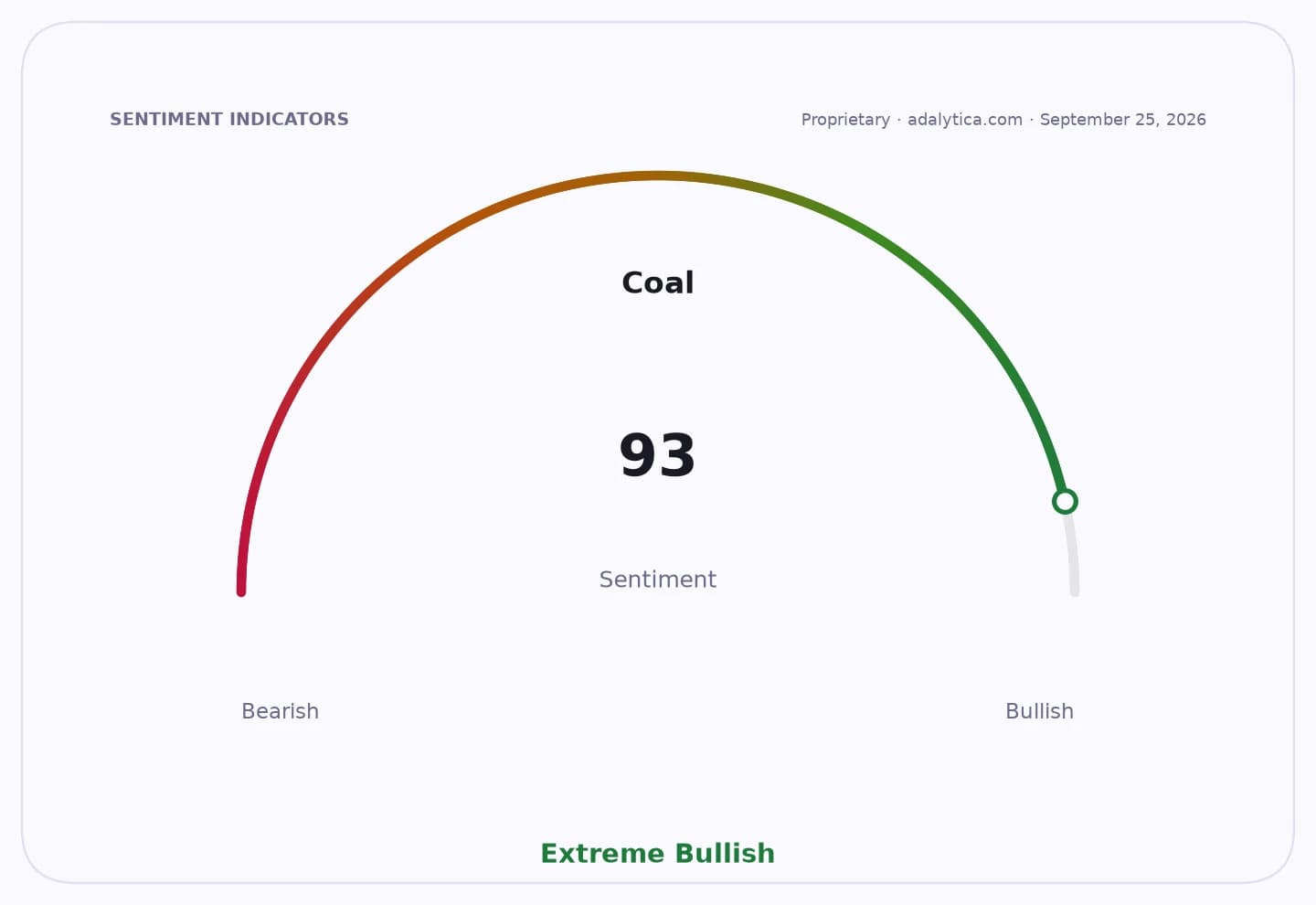
Sentiment IndicatorsⓘProprietary · adalytica.com · August 1, 2026
This is a snapshot — live sentiment, awareness and momentum for 130+ markets update continuously in the dashboard.Open AlphaPulse
That matters because LNG is now a system, not a spot trade. Asia’s buyers depend on timely arrivals, and even modest shocks can ripple through pricing from charter rates to destination spreads. QatarEnergy’s decision to line up 33 US cargoes underscores that reality: the world’s biggest gas players are building redundancy into supply chains because the cost of being short gas in Asia can quickly exceed the cost of securing extra volumes in advance.
The attack also lands at a delicate moment for an already tight market. QatarEnergy’s move comes amid reports of a deeper gas crunch and a further 100 mmcfd drop in LNG supply, while sanctions on Russian LNG carriers and recurring security threats are forcing shippers and importers to rethink routing and sourcing. For exporters, that can mean stronger bargaining power and firmer spot pricing. For importers, it means more competition for Atlantic Basin cargoes and a stronger case for long-term contracts.
Investors should read this as a second-order bullish catalyst for the LNG trade rather than a one-day geopolitical flare-up. The biggest beneficiaries are the firms that own the molecules, the ships and the infrastructure that connect them. US LNG exporters with flexible output, LNG carriers with scarce tonnage and terminal operators with optionality all gain from a world where security of supply has a premium attached. The losers are buyers exposed to spot procurement, shipping groups caught in exposed lanes and end users in Asia that must absorb higher delivered costs.
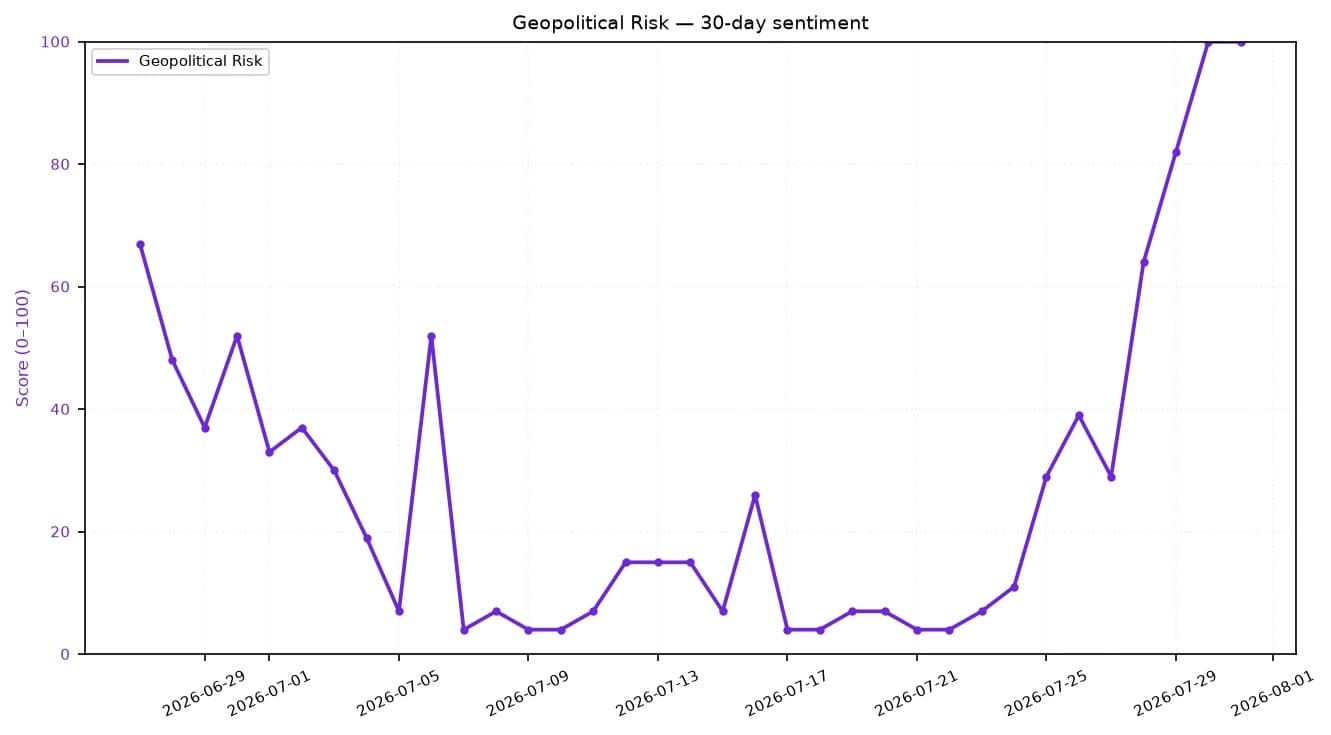
The market already reflects some of that tension, but not nearly enough if attacks on shipping become a recurring feature rather than an isolated event. With global stability gauges flashing extreme fear on the operational side even as headline risk remains elevated, the thesis is simple: every disruption pushes more value toward secure LNG supply chains. That makes LNG infrastructure, export capacity and shipping one of the most compelling geopolitical trades in energy right now.
| Entity | Gains | Losses |
|---|---|---|
| QatarEnergy | ▲Supply security | ▼None immediate |
| US LNG exporters | ▲Higher cargo demand | ▼Tighter spare capacity |
| LNG shipowners | ▲Firmer freight rates | ▼Exposure to attack routes |
| Asian importers | ▲Diversified supply access | ▼Higher delivered gas costs |