An LNG tanker has exited the Strait of Hormuz for the first time in nearly three weeks, the clearest sign yet that a major supply chokepoint for global gas trade is beginning to reopen after a period of heightened geopolitical risk.
LNG tanker exits Strait of Hormuz after nearly three weeks
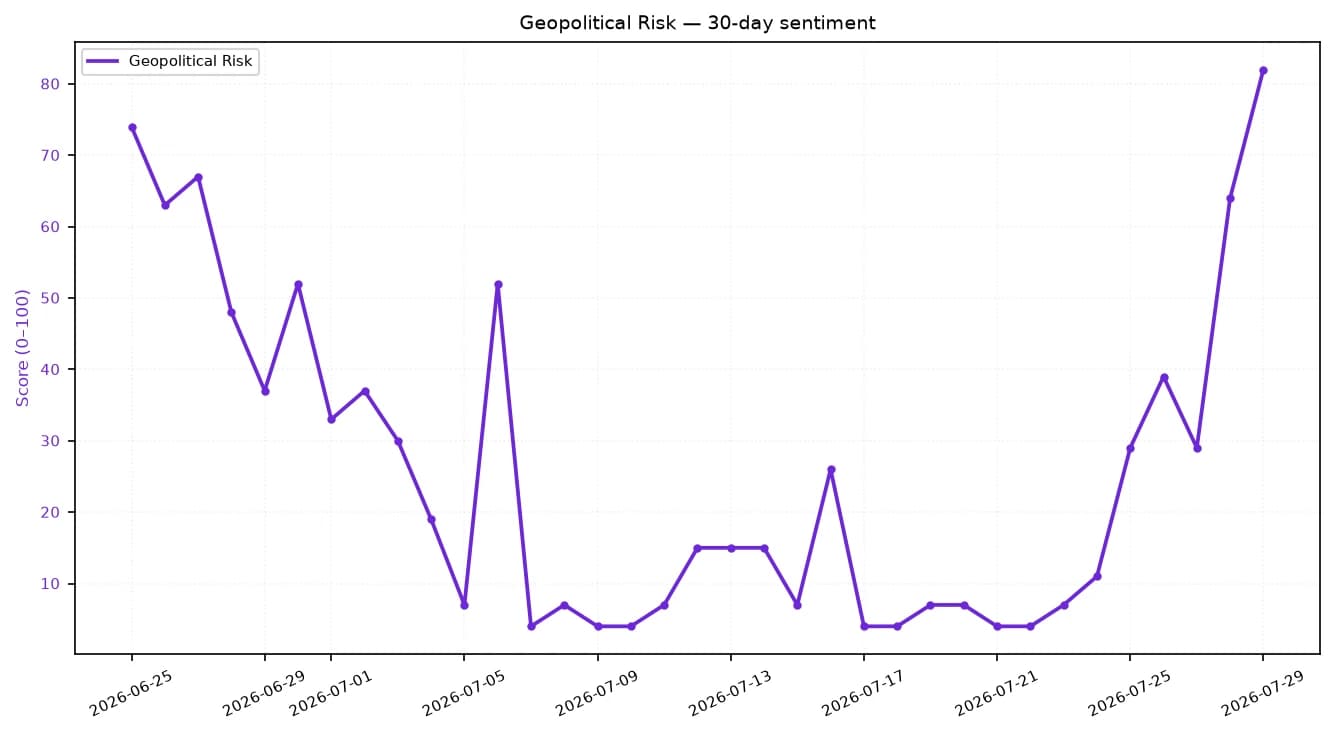
The move matters because the waterway handles a large share of the world’s LNG flows and any interruption quickly feeds into freight rates, insurance costs and gas prices in importing regions. Even a brief halt can tighten already fragile markets, especially in Europe and Asia, where buyers rely on seaborne cargoes to plug seasonal demand and storage gaps.
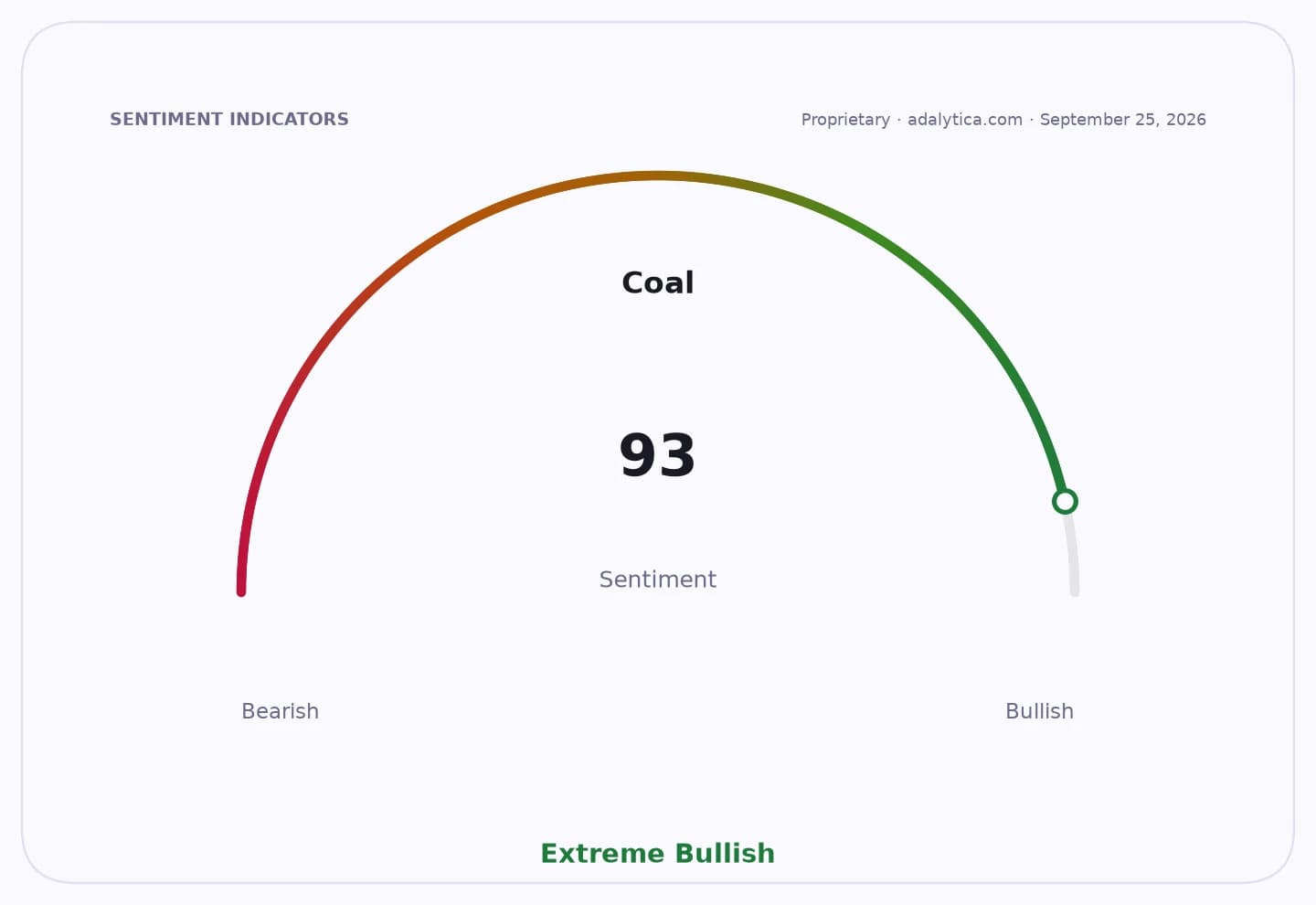
Sentiment IndicatorsⓘProprietary · adalytica.com · July 30, 2026
This is a snapshot — live sentiment, awareness and momentum for 130+ markets update continuously in the dashboard.Open AlphaPulse
Shares in U.S. gas-linked assets reflected the swing in risk sentiment. The U.S. Natural Gas Fund, UNG, dropped to $9.93 on July 29 after touching $10.40 two sessions earlier, still well below its 50-day moving average of $11.22 but off the recent intraday lows, showing how quickly traders are repricing headlines around supply disruption.
Chesapeake and other upstream producers, along with LNG exporters, stand to benefit if shipping normalizes without a wider regional escalation because stable transport lowers the chance of forced rerouting or sudden cargo cancellations. On the other side, import-dependent buyers in Europe and Asia, as well as gas-intensive utilities, lose the immediate premium that tends to build when Hormuz is at risk.
The broader backdrop remains volatile. Global stability readings from Adalytica show extreme fear in awareness even as headline sentiment has swung sharply higher, underscoring how quickly traders flip from panic to relief around Middle East shipping risks. Natural gas trade signals remain in fear territory, suggesting the market is still pricing uncertainty rather than a clean normalization.
LNG exporter Cheniere Energy, whose shares closed at $258.61 on July 29 and sit above both its 50-day and 200-day moving averages, has been one of the clearer beneficiaries of resilient gas demand and tighter supply expectations. But the next leg for the sector will depend on whether more cargoes follow through Hormuz and whether the region avoids any renewed disruption that could send LNG freight and spot gas prices higher again.
| Entity | Gains | Losses |
|---|---|---|
| LNG exporters | ▲Lower disruption risk | ▼Less scarcity premium |
| LNG importers | ▲Easier cargo access | ▼Fewer hedging gains |
| Gas consumers | ▲Relief on fuel costs | ▼Higher exposure to volatility |
| Ocean freight/insurance buyers | ▲Lower risk charges | ▼Less opportunity to pass through costs |