The Canadian dollar slipped while Canada’s benchmark government yield fell, pointing to a market that is increasingly pricing in a less aggressive policy path and weaker growth momentum.
Loonie Weakness Signals Softer Canada Outlook

The move matters because currency and bond markets are sending the same signal: investors are looking for a softer macro backdrop in Canada, with lower domestic yields reducing the currency’s carry appeal against the U.S. dollar. That combination can tighten financial conditions at the margin, ease pressure on government borrowing costs and support duration assets, but it also reflects skepticism that the Bank of Canada will need to keep policy restrictive for much longer.
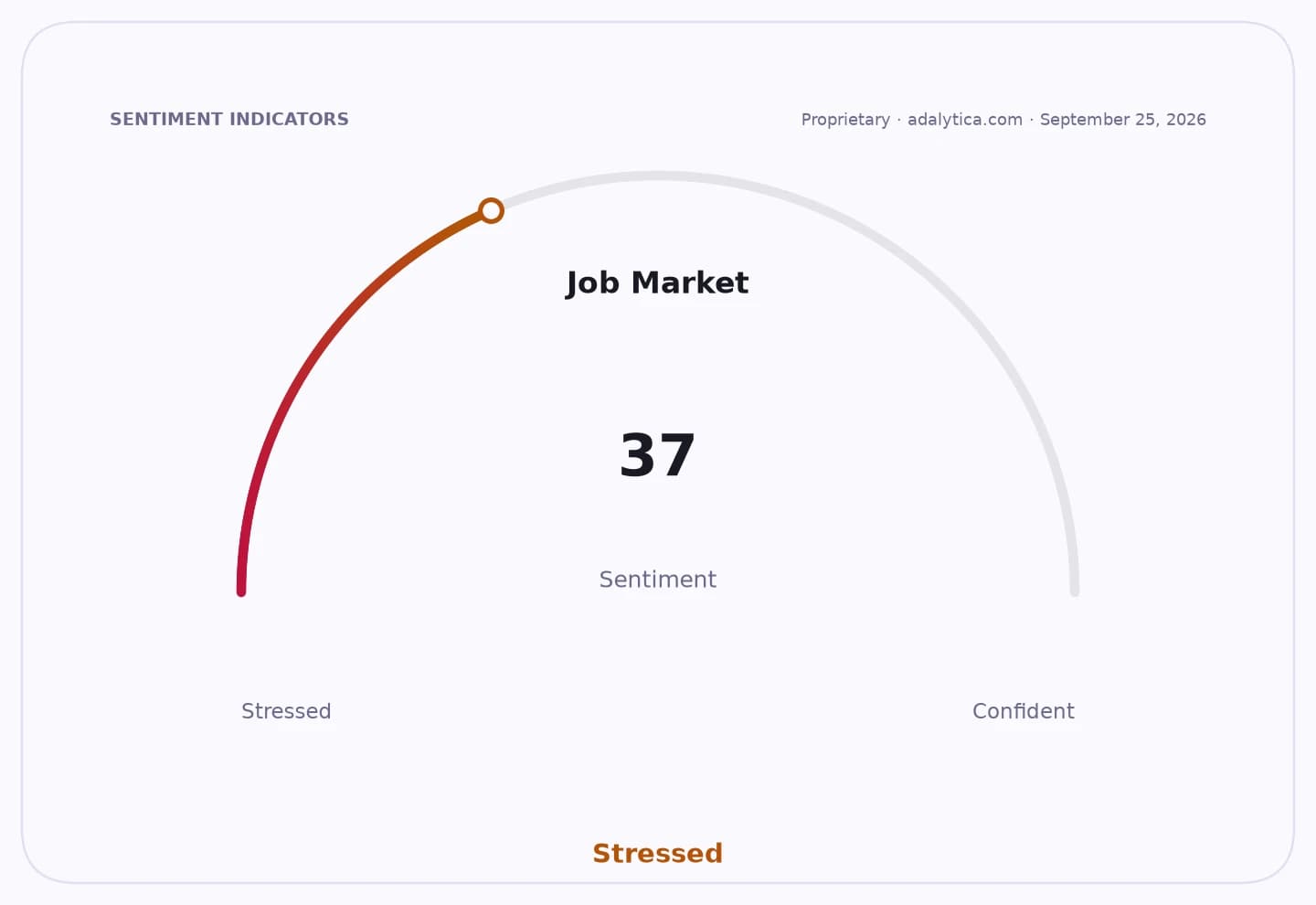
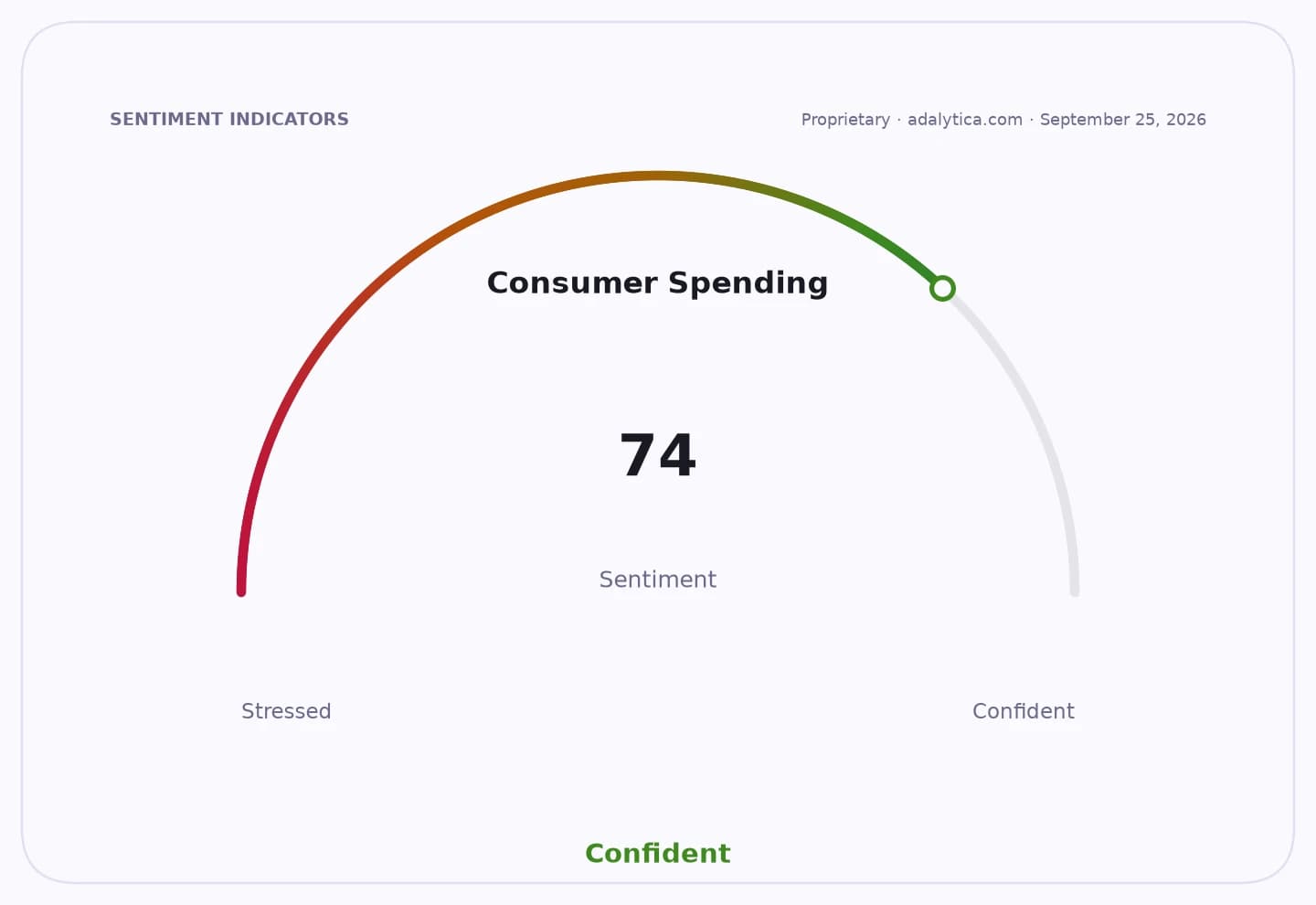
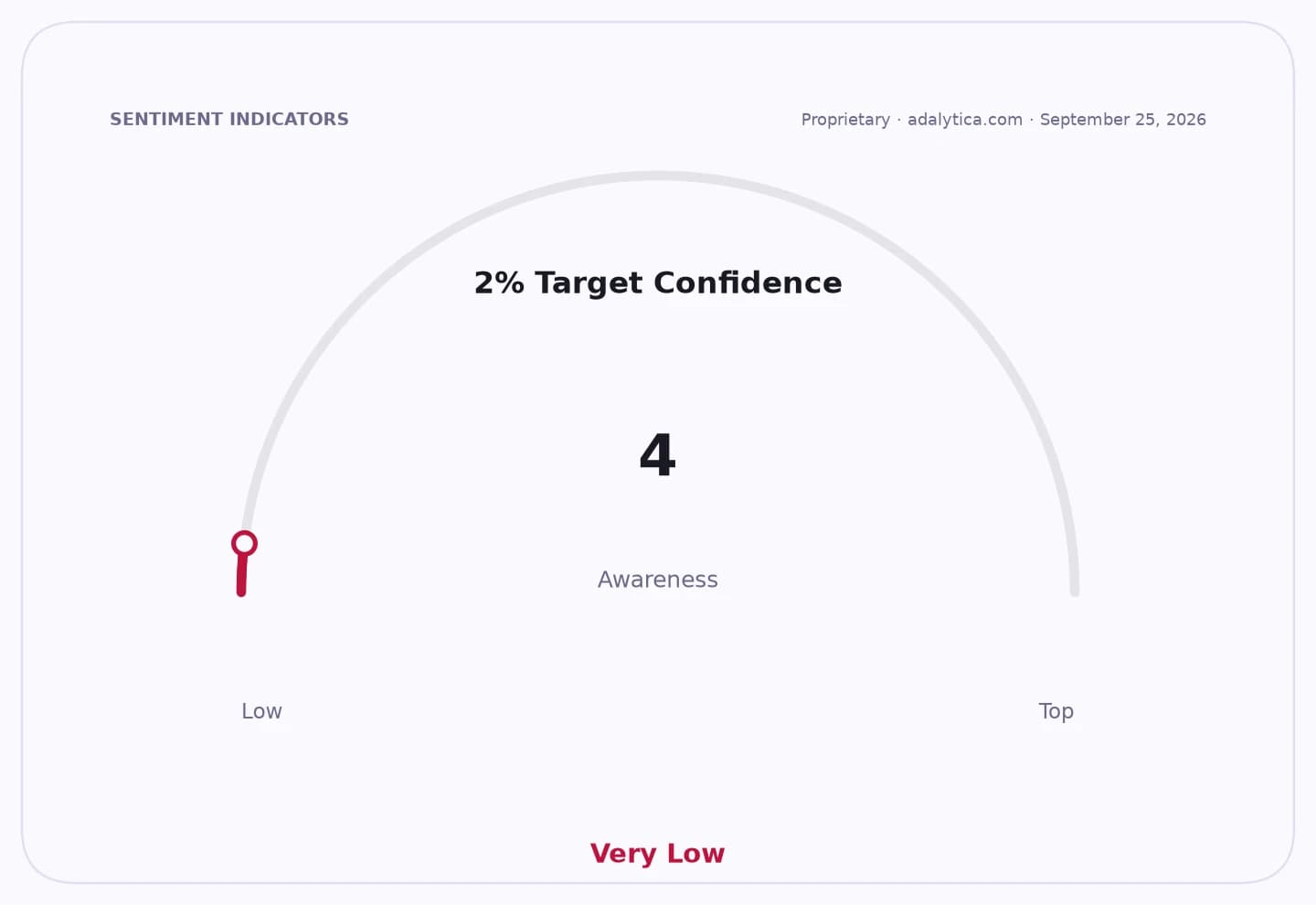
Sentiment IndicatorsⓘProprietary · adalytica.com · July 24, 2026
This is a snapshot — live sentiment, awareness and momentum for 130+ markets update continuously in the dashboard.Open AlphaPulse
The benchmark 10-year U.S. Treasury yield was trading around 4.69%, while the 2-year was near 4.34%, underscoring that global rate expectations remain elevated. In Canada, the weaker currency suggests domestic fixed-income moves are not being driven by local demand alone, but by a broader reassessment of interest-rate differentials and risk appetite. For the loonie, the critical issue is not the day-to-day move itself but whether it marks a sustained break from the tighter yield support that had helped the currency earlier in the cycle.
For investors, a falling benchmark yield is a mixed signal. Bondholders gain from lower yields and potentially better price performance, while exporters could benefit if a softer Canadian dollar improves foreign-currency revenues. Importers and consumer-facing companies, by contrast, face higher input costs if the currency weakness persists. Financial stocks may also be sensitive if the market starts to discount slower loan growth and lower credit demand alongside easing rates.
Royal Bank of Canada and iShares’ FXC, a Canadian-dollar tracker, were both steady to softer in recent trading, suggesting the move is still being treated more as a macro signal than a company-specific shock. The FXC fund was trading below its 200-day moving average, a conventional technical indicator that points to lingering pressure on the currency. In bonds, the shift in Treasury expectations has also been reinforced by proprietary Adalytica signals showing extreme fear in U.S. Treasury trade positioning and a sharp rise in market expectations for Federal Reserve rate cuts, adding to the case for a stronger U.S. dollar against peers such as the loonie.
The broader narrative is that markets are moving toward a slower-growth, easier-policy setup even as U.S. yields stay relatively high. If that view hardens, Canada’s currency could remain under pressure and yields may drift lower still. If inflation or growth surprises on the upside, the loonie would have room to recover quickly, but for now the balance of risks favors a softer Canadian dollar and a bond market pricing less tightening rather than more.
| Entity | Gains | Losses |
|---|---|---|
| Canadian bond investors | ▲Higher bond prices | ▼Lower reinvestment yields |
| Canadian exporters | ▲Better FX conversion | ▼— |
| Canadian importers | ▲— | ▼Higher import costs |
| Canadian dollar bears | ▲Gains from weakness | ▼— |