Louis Vuitton has posted its first sales increase in two years, and that matters because it suggests the luxury slowdown is moving from a broad downturn to a market where the strongest brands are starting to pull away from the pack.
Louis Vuitton Sales Rebound Signals Luxury Stabilization
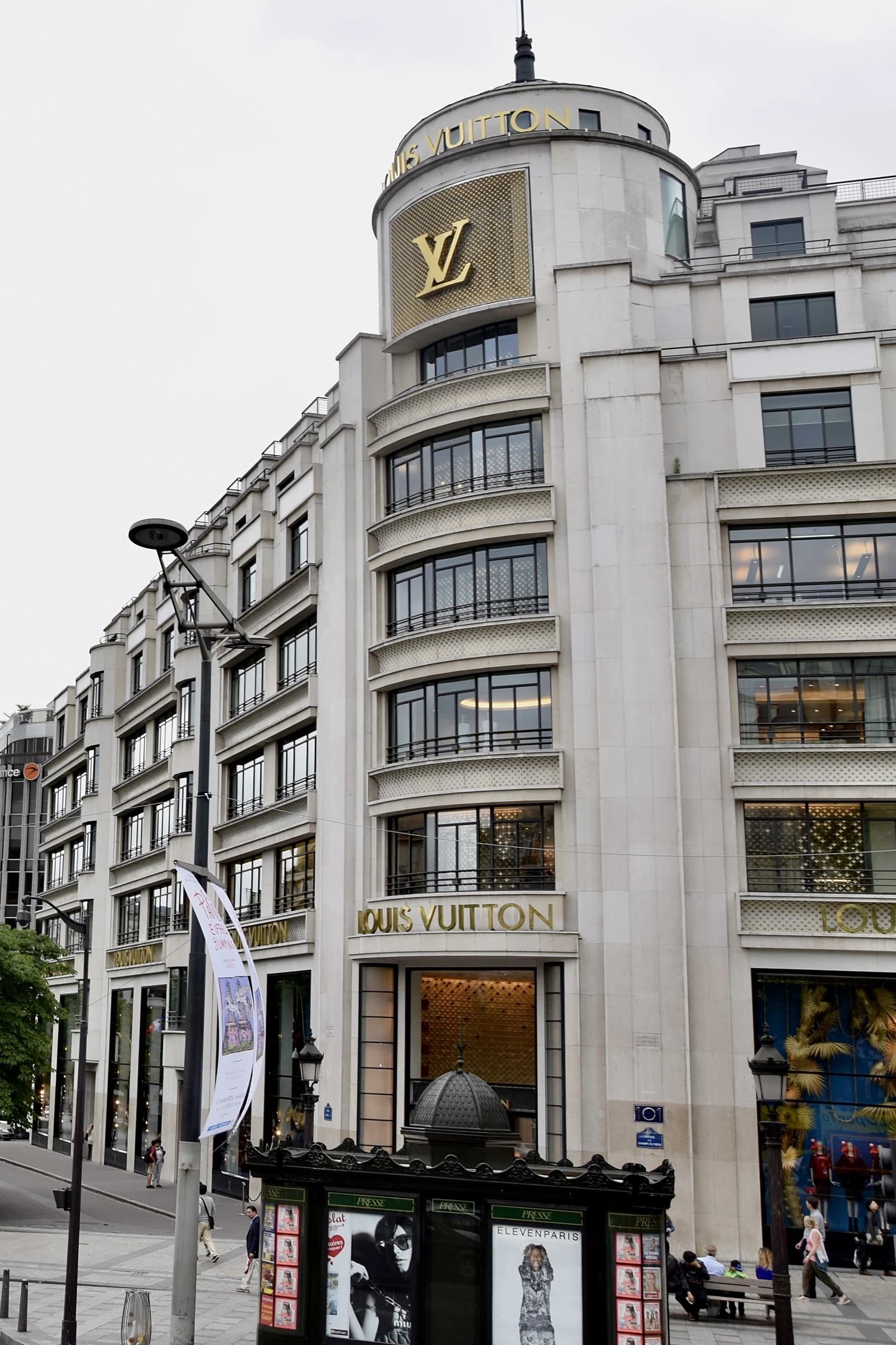
For investors, that’s an important distinction. When demand weakens, the market often treats luxury as one trade. In reality, the industry is full of winners and losers, and the names with the most pricing power, strongest brand equity and deepest global reach tend to recover first. Louis Vuitton, the flagship of LVMH, is showing it can still command spending even after a long stretch of softer growth.
The rebound also fits a broader macro story. South Korea’s stock market has been buoyed by the AI boom, and that kind of equity wealth effect can matter for high-end discretionary spending in Asia. When shares rise, confidence often follows, and luxury groups with exposure to wealthy Asian consumers can feel that support. At the same time, a weaker backdrop for mass-market retailers underscores how uneven consumer demand remains. Shoppers are still cautious, but they are not equally cautious everywhere.
That unevenness is why this update matters beyond one quarter. Luxury demand has been under pressure from slower Chinese spending, currency swings and a normalization after the post-pandemic splurge. A first sales increase after two years does not mean the sector is back to the old growth rates. But it does suggest the premium end of the market may have found a floor, especially for brands with true global cachet.
The stock action reflects that hope. LVMH’s U.S.-listed shares and its Paris listing have both recovered from earlier weakness, although the technical picture is still more mixed than the headline suggests. In the U.S. listing, the shares remain below the 200-day moving average, which tells investors the longer-term trend has not fully healed. That kind of gap is exactly what long-term investors watch: a business can improve before the chart does, but sustained earnings growth is what eventually closes the distance.
For patient investors, the key question is not whether luxury bounces from quarter to quarter. It is whether the leading brands keep widening their moat. Louis Vuitton’s strength suggests the answer may still be yes. If wealthy consumers keep spending, if Asia stabilizes and if the best brands continue to take share, LVMH can keep compounding even in a slower world.
That makes this a stock to watch, not chase. The luxury cycle will not turn in a straight line, and macro headwinds have not disappeared. But when a category leader begins to grow again after two years of declines, investors should pay attention. The lesson is simple: in luxury, as in investing, the strongest franchises usually recover first and last longest.
| Entity | Gains | Losses |
|---|---|---|
| Louis Vuitton / LVMH | ▲Sales recovery and brand momentum | ▼Broad luxury skeptics |
| Wealthy Asian consumers | ▲More confidence from rising markets | ▼Cautious mass-market shoppers |
| LVMH shareholders | ▲Better long-term compounding case | ▼Short-term traders waiting for a full trend reversal |
| Weak luxury rivals | ▲Little | ▼Share gains and pricing power |