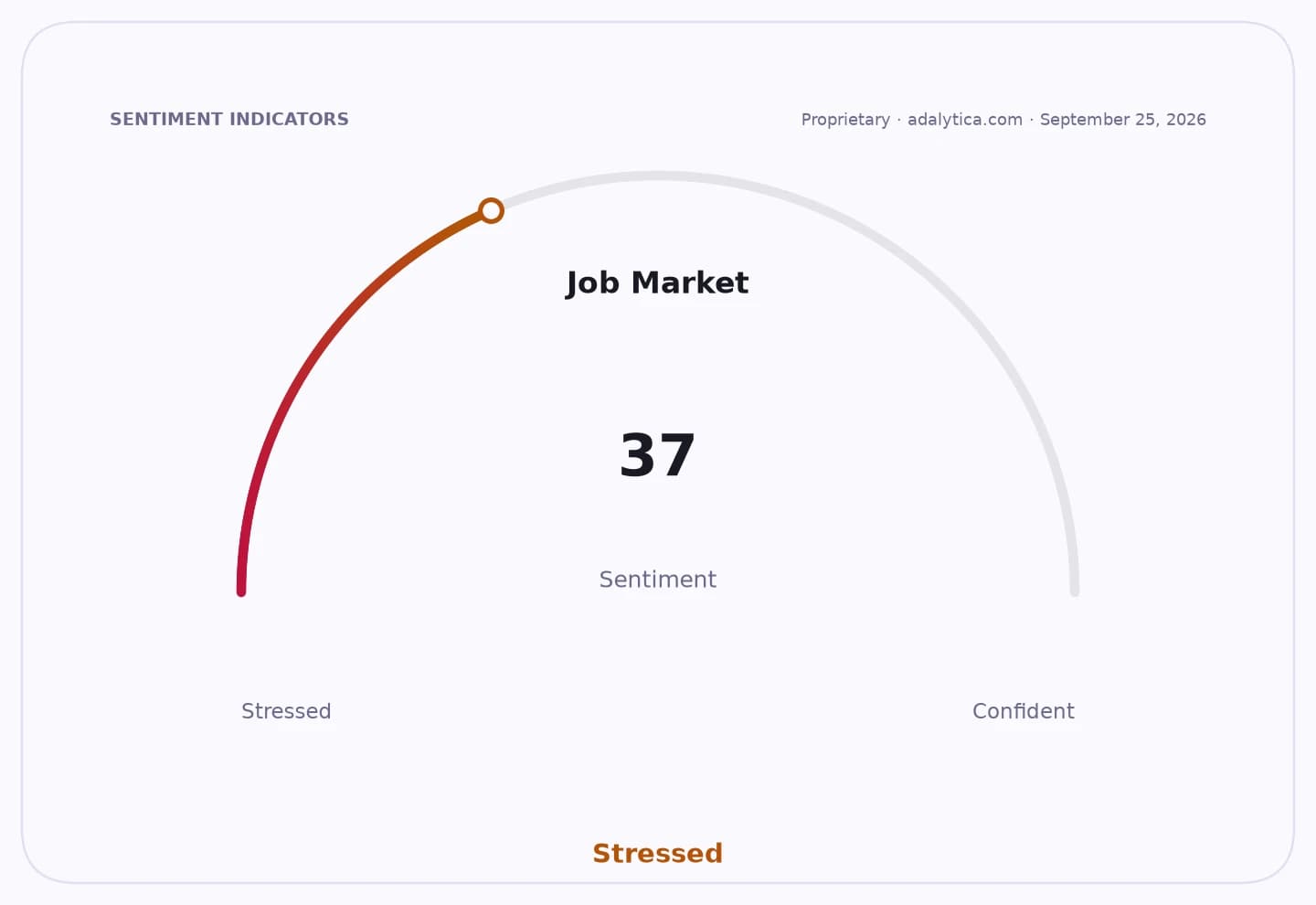
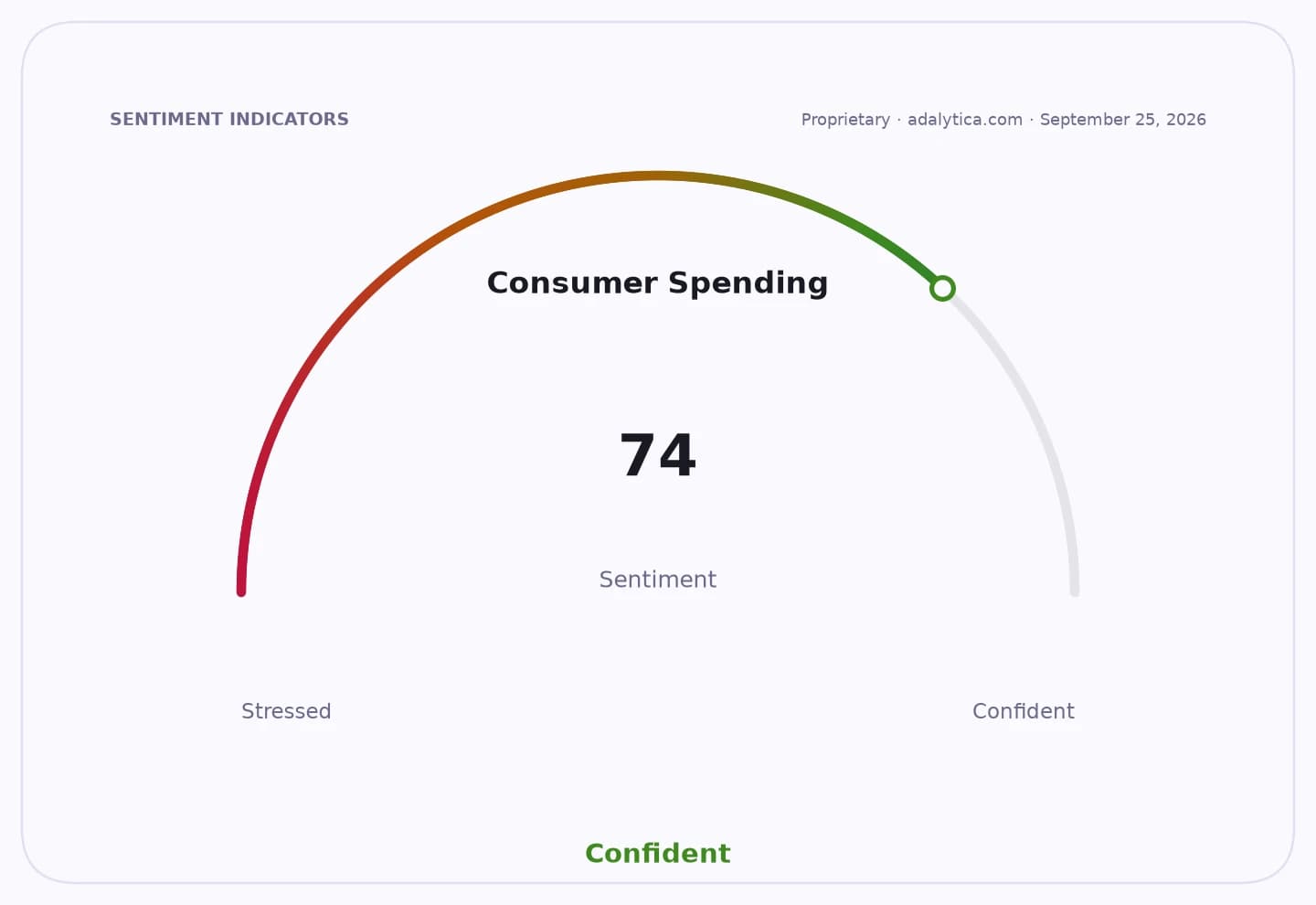
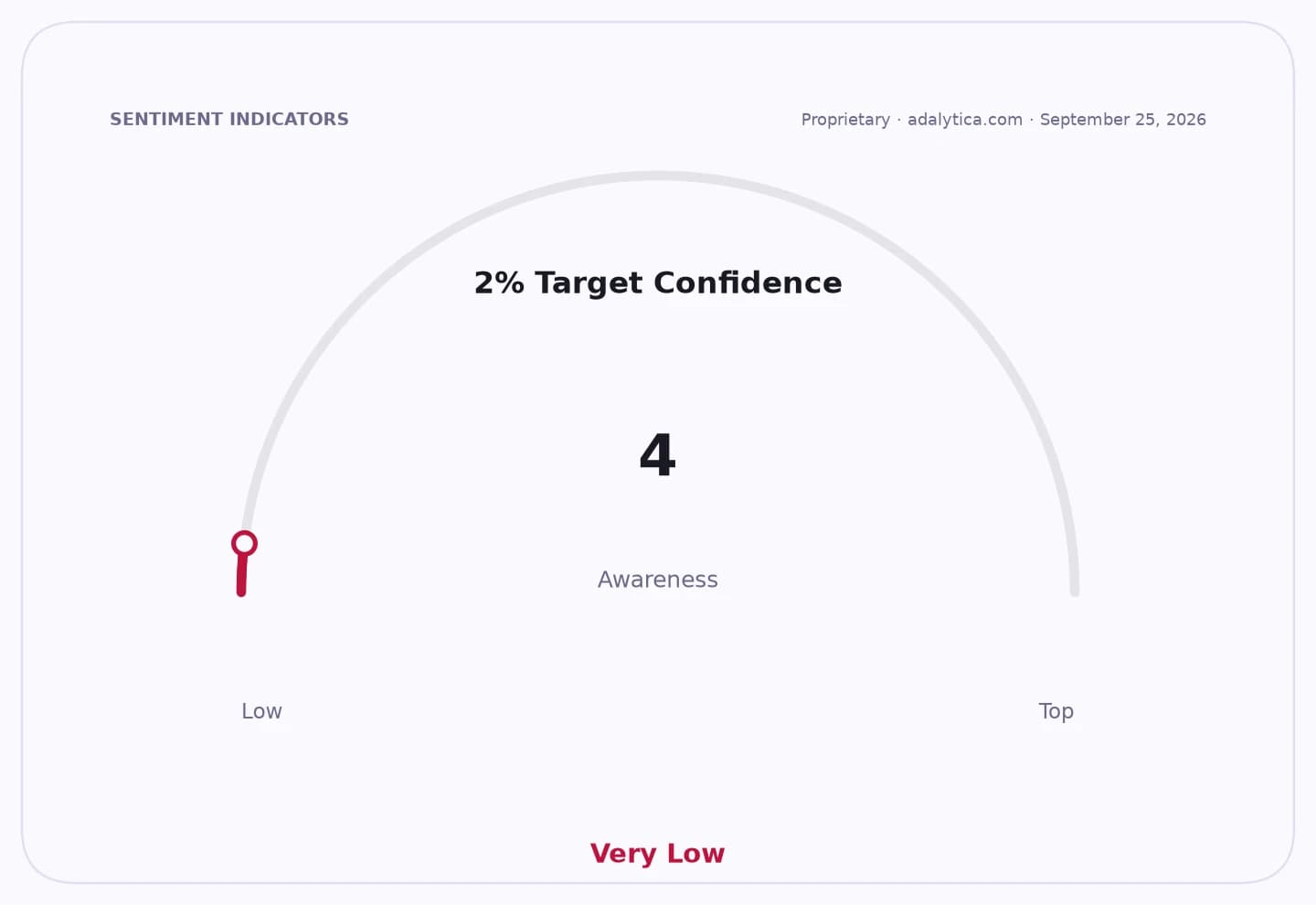
The biggest development for investors is that U.S. interest rates are still drifting lower, and that matters because cheaper money is the cleanest “offer” the market can get when debt burdens are high. The fed funds rate is projected around 3.627% for July, down from 3.64% in April, while credit stress in the high-yield bond market has eased to about 2.733% from a recent 2.77%. In plain English, the cost of borrowing is no longer rising, and that gives households, companies and governments a little more breathing room.
Lower Rates Ease Debt Pressure
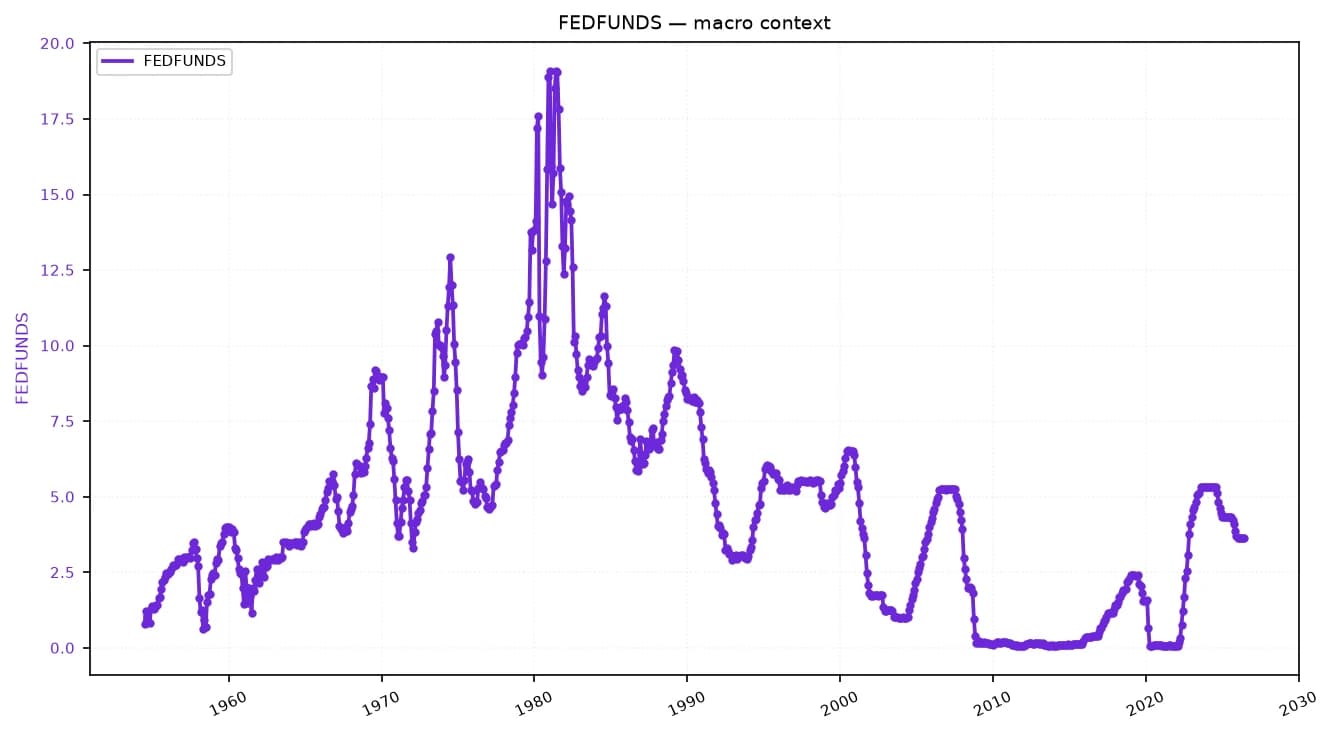
That may not sound dramatic, but it is economically important. When rates fall, refinancing gets easier, interest expense stops biting as hard, and the odds of a debt spiral recede. That is especially relevant now, with sovereign balance sheets under pressure in places like Poland and Malaysia, where larger deficits and heavier interest costs are forcing policymakers to think harder about debt sustainability. For businesses, lower benchmark rates can improve free cash flow and help preserve investment plans. For governments, they can soften the budget strain that comes from rolling over existing obligations.
Sentiment IndicatorsⓘProprietary · adalytica.com · July 25, 2026
This is a snapshot — live sentiment, awareness and momentum for 130+ markets update continuously in the dashboard.Open AlphaPulse
Markets are already behaving like investors know this. The S&P 500 is flashing fear in Adalytica.com’s trade signals, with sentiment at 26 and awareness at an extreme 9, a sign that risk appetite has been shaky even as the longer-term rate backdrop improves. Treasury bonds are telling the opposite story: Adalytica’s U.S. Treasury Bonds snapshot shows extreme fear in sentiment but extreme greed in awareness, a combination that often appears when investors are crowded into safety and are looking for the next policy turn. That is the kind of setup long-term investors should watch closely, because bond markets often turn before stocks do.
The clearest beneficiaries of lower rates are debt-heavy borrowers. Companies with solid cash flow but meaningful leverage can refinance at better terms, while defensive income sectors and bond funds may get a support bid if rate cuts continue. The losers are savers who have grown accustomed to higher yields, and lenders that relied on wide spreads to generate income. High-yield borrowers are also not out of the woods; the recent easing in credit stress is helpful, but a softer backdrop can change quickly if growth weakens or inflation returns.
You can see the market still waiting for confirmation in the technicals. DSU, which looks like a bond-oriented name, is hovering near its 50-day and 200-day moving averages, a sign of consolidation rather than clear conviction. That kind of price action fits a market that wants debt relief but does not yet trust it. IPSI, by contrast, shows the kind of speculative, near-zero price behavior that usually tells investors not to confuse volatility with value.
The long-term takeaway is simple: when debt becomes the story, rates become destiny. A modest decline in borrowing costs can protect margins, stabilize governments and give equity valuations room to breathe. For investors, this is less about trading the next headline and more about positioning for a world where balance-sheet strength matters again. That makes high-quality lenders, financially disciplined companies and diversified income strategies worth watching for the next several years.
| Entity | Gains | Losses |
|---|---|---|
| Borrowers | ▲Lower refinancing costs | ▼Less pressure relief for savers |
| Governments with heavy debt | ▲Easier debt servicing | ▼Higher yields on new debt |
| High-quality equities | ▲Valuation support | ▼Cash-rich defensive yield plays |
| Bondholders/Treasury buyers | ▲Capital gains potential | ▼New cash yields if rates keep falling |