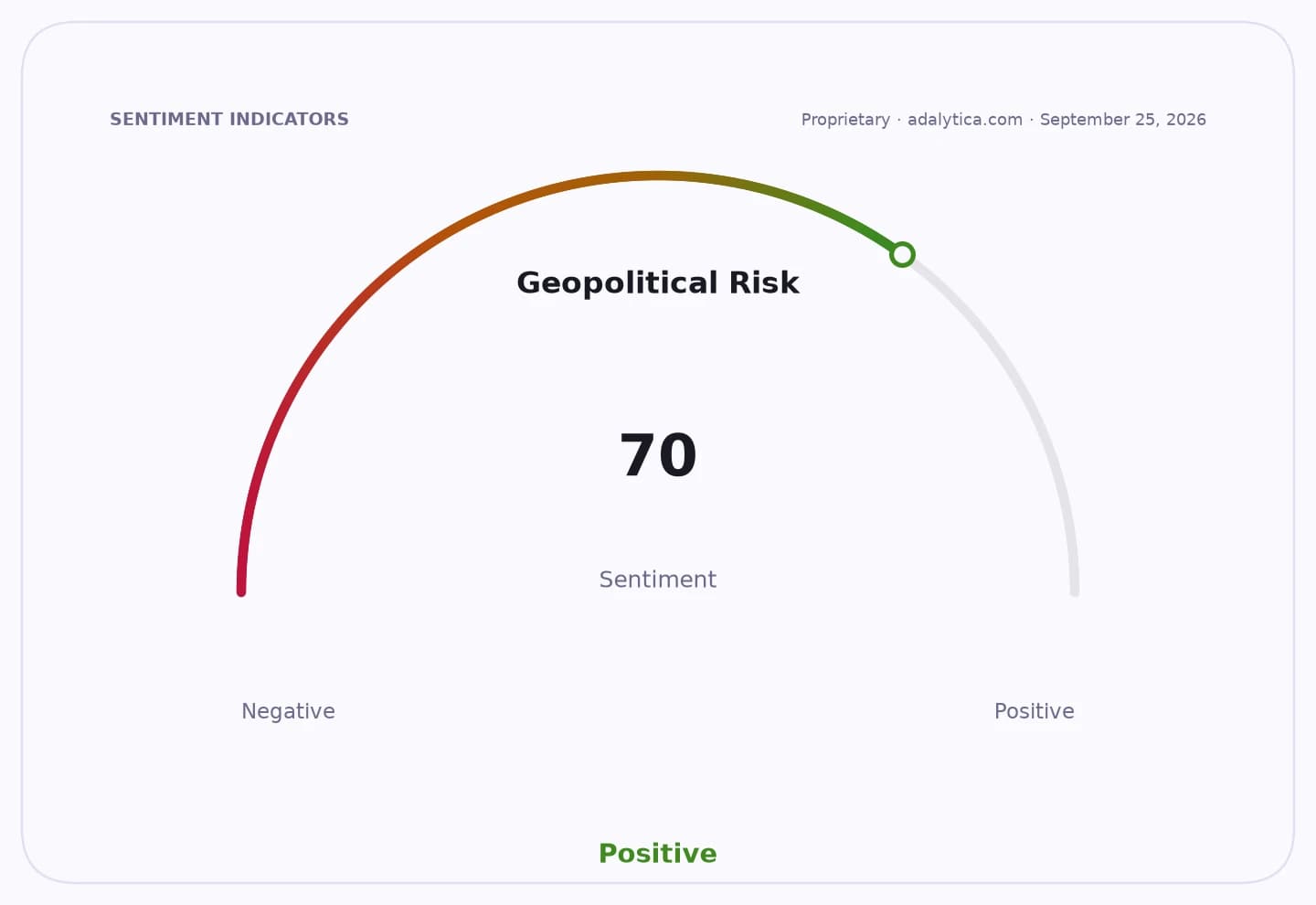
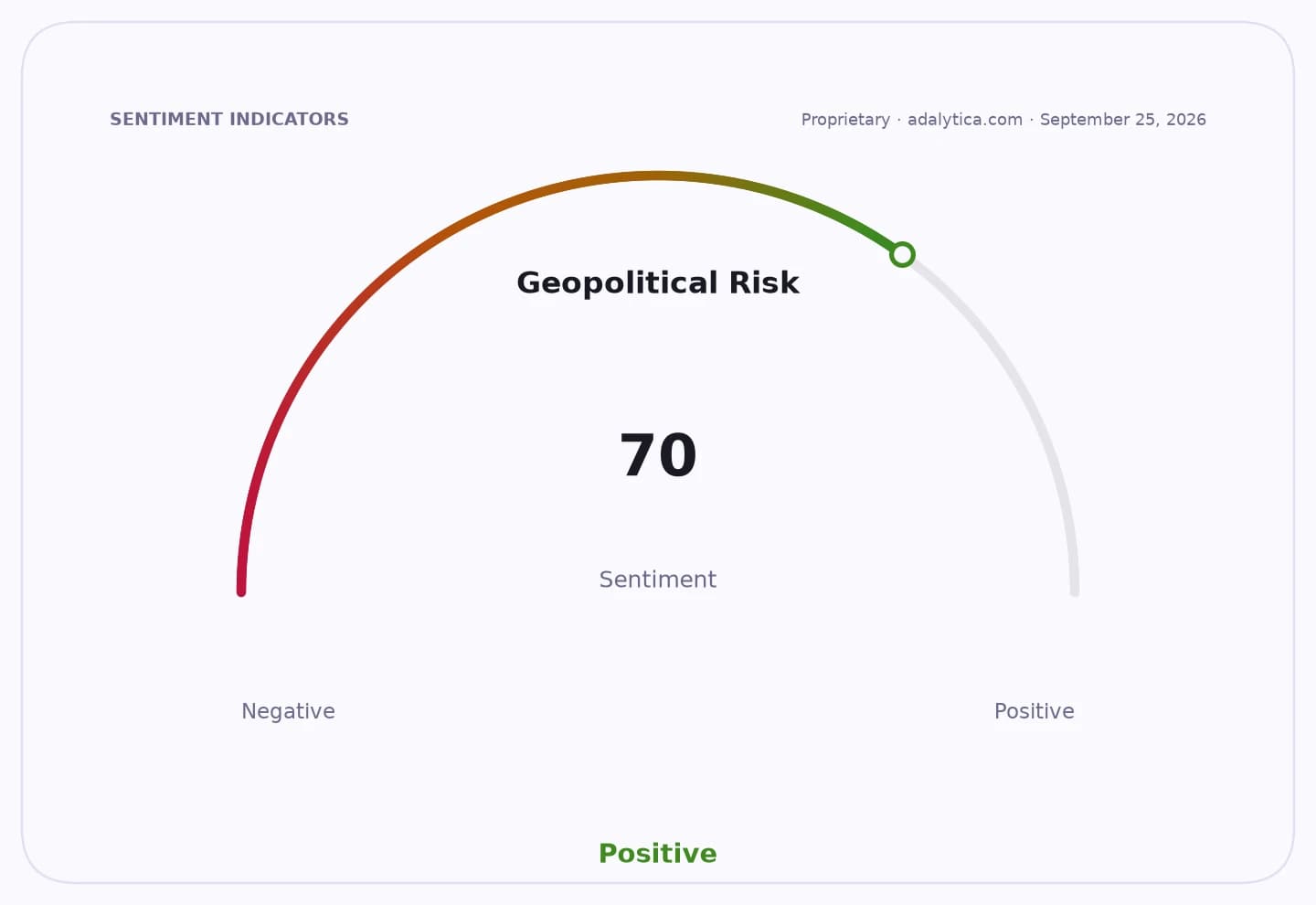
Luxury spending is holding up even as broader consumer sentiment collapses, reinforcing the split between affluent buyers who can absorb macro shocks and mass-market shoppers who are retrenching.
LVMH, Kering shares rise as luxury spending holds up
That divide matters because high-end fashion and accessories remain one of the few discretionary categories where pricing power still works. For luxury groups such as LVMH and Kering, wealthy customers continue to spend on status goods even as inflation, currency swings and economic uncertainty pressure lower-income households. The result is a market that can outperform the wider retail sector despite a more fragile global backdrop.
Sentiment IndicatorsⓘProprietary · adalytica.com · August 10, 2026
This is a snapshot — live sentiment, awareness and momentum for 130+ markets update continuously in the dashboard.Open AlphaPulse
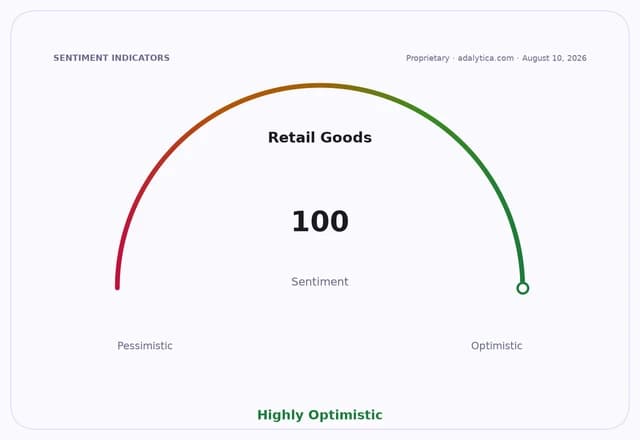
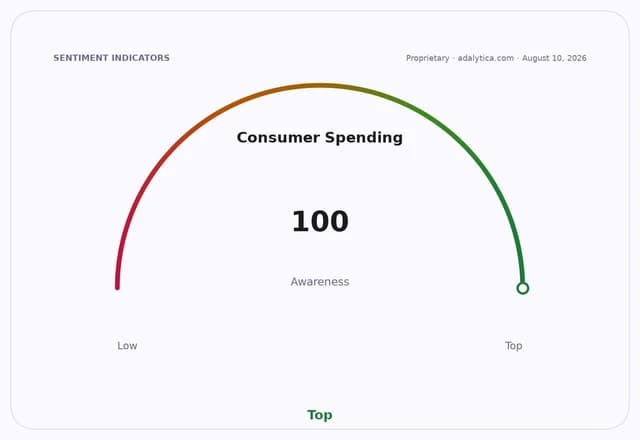
Adalytica’s Consumer Spending Sentiment gauge is in “Extreme Fear” at 4, down 86 points over the past week, while its Retail Goods Spending Sentiment is at “Extreme Greed” and the U.S. dollar signal is also flashing “Extreme Greed.” That combination points to cautious households, resilient premium demand and a stronger currency backdrop — a mix that tends to favor globally diversified luxury brands with affluent clientele, but can squeeze buyers in markets exposed to dollar strength and imported inflation.
The price action reflects that contrast. LVMH’s U.S.-listed shares have climbed to $111.16 from $106.80 on June 3, while Kering’s U.S.-listed shares have recovered to $33.04 from $28.23 over the same period. Both stocks are trading above their 50-day moving averages, a sign that investors are again willing to pay for exposure to the top end of consumer demand even after a bruising first half of the year.
The technical picture is improving, though not unambiguously bullish. LVMH’s 14-day relative strength index has rebounded to 51.7 from deeply oversold levels in March, while Kering’s RSI is near 69, suggesting stronger momentum but also more stretched near-term conditions. Neither stock has regained its 200-day moving average, which leaves room for skepticism that the recovery is fully durable.
For investors, the narrative is less about a broad luxury rebound than a continued winner-takes-more dynamic. The richest customers still buy handbags, watches and fashion when confidence weakens, but the rest of the consumer base pulls back on everything else. That supports margin resilience for premium brands with strong pricing power, while smaller labels and retailers exposed to middle-income spending may see a slower recovery.
The question now is whether the current split persists into the second half of the year. If global growth slows further or currency volatility persists, luxury demand could become even more concentrated among the very wealthy. If, instead, consumer confidence stabilizes and the dollar softens, the sector could gain broader support — but for now, the market is still rewarding companies that depend least on the average shopper.
| Entity | Gains | Losses |
|---|---|---|
| LVMH, Kering | ▲Affluent demand resilience | ▼Mass-market slowdown |
| Wealthy consumers | ▲Status spending power | ▼Little |
| Lower-income households | ▲Few near-term benefits | ▼Budget pressure |
| Luxury investors | ▲Margin support, pricing power | ▼Slower broad-based rebound |