Malawi’s headline inflation surged to 26.7% in October, the highest level in nine years, underscoring how rising food and non-food prices are eroding household purchasing power and complicating the government’s economic management.
Malawi October inflation rises to 26.7%
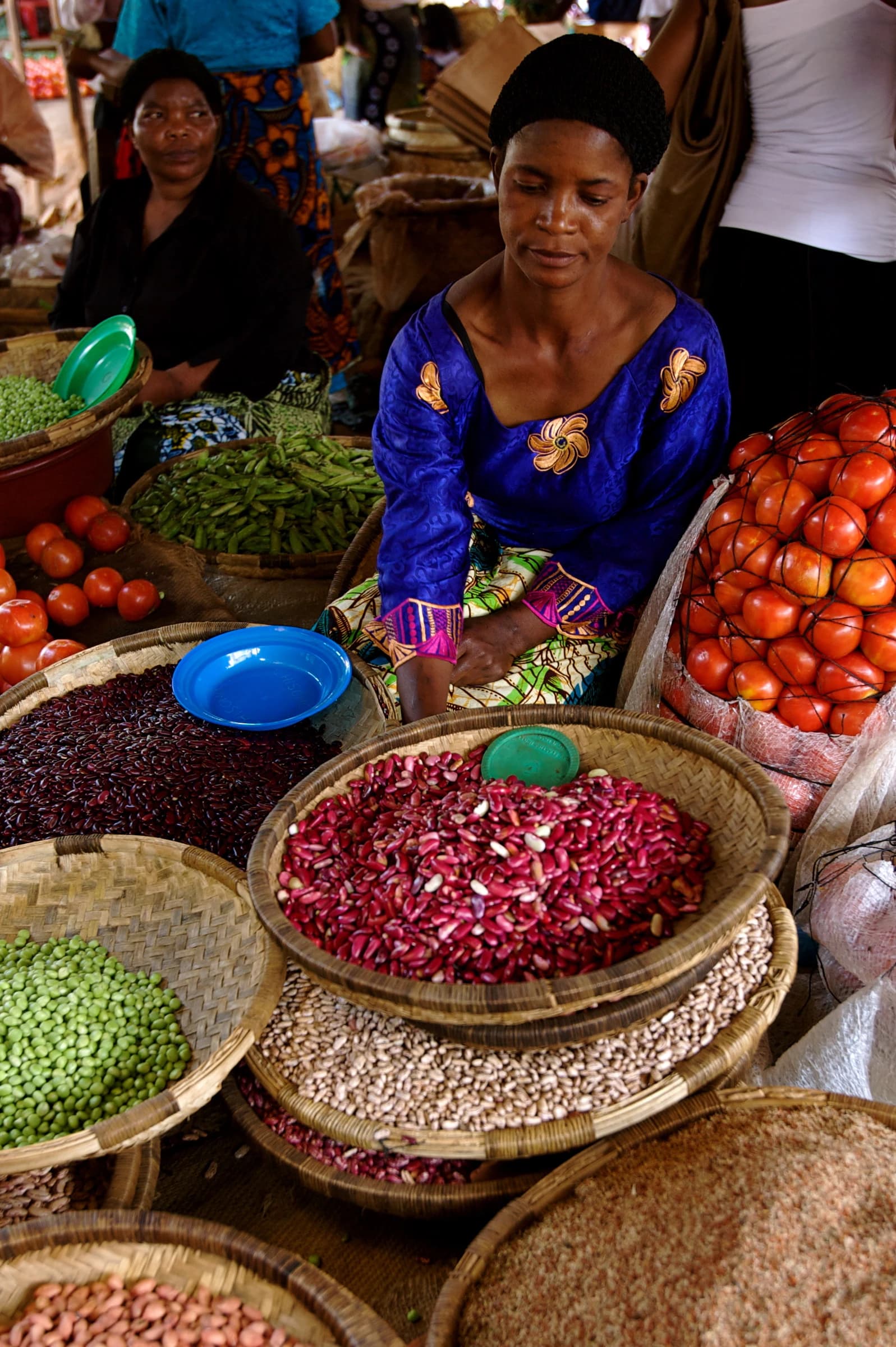
The latest reading, published by the National Statistical Office, is the steepest since June 2013 and reflects broad-based price pressure under President Lazarus Chakwera’s administration. For a country where food makes up a large share of consumer spending, the jump in inflation means more strain on real incomes, higher living costs and greater risk of slower domestic demand.
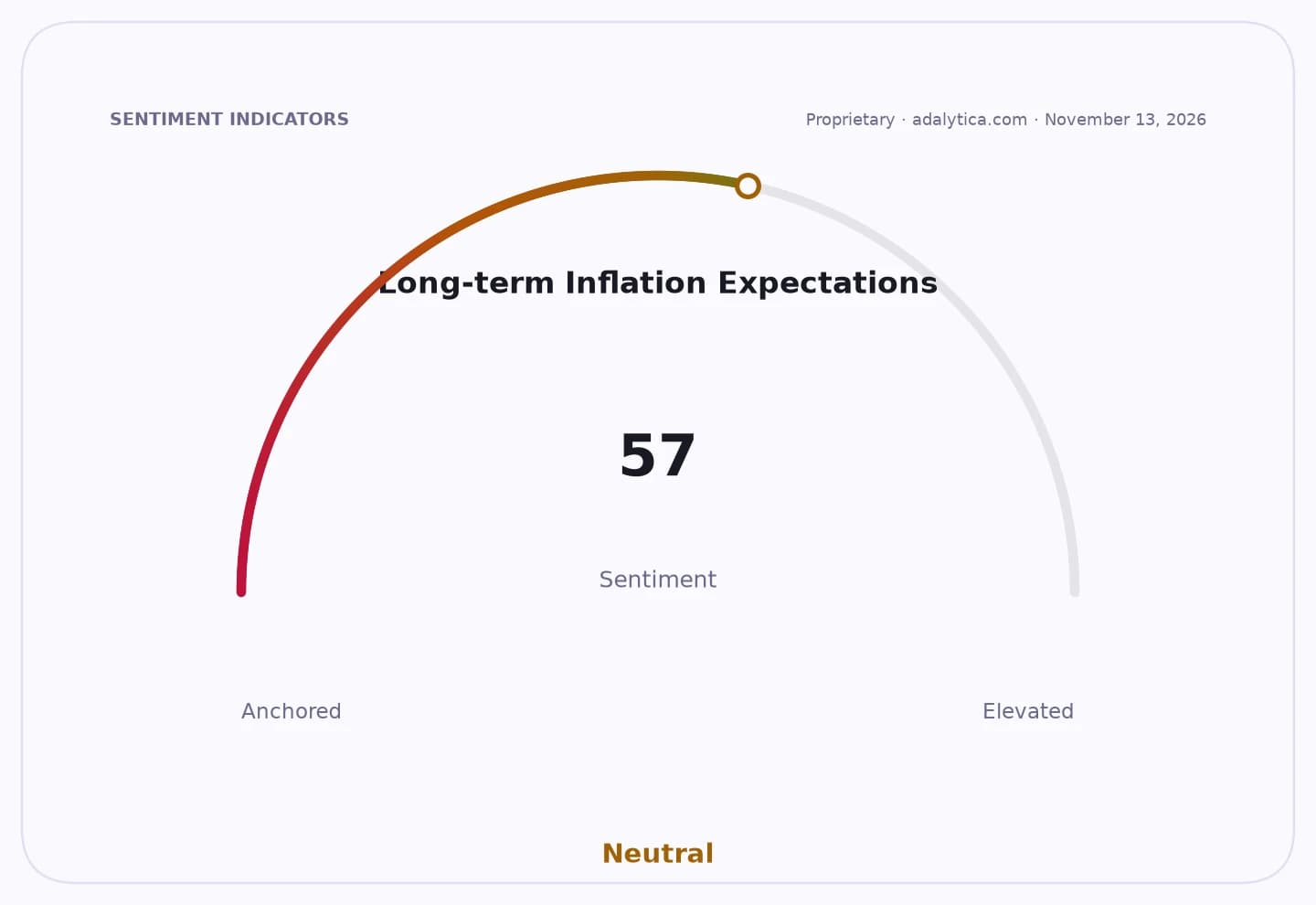
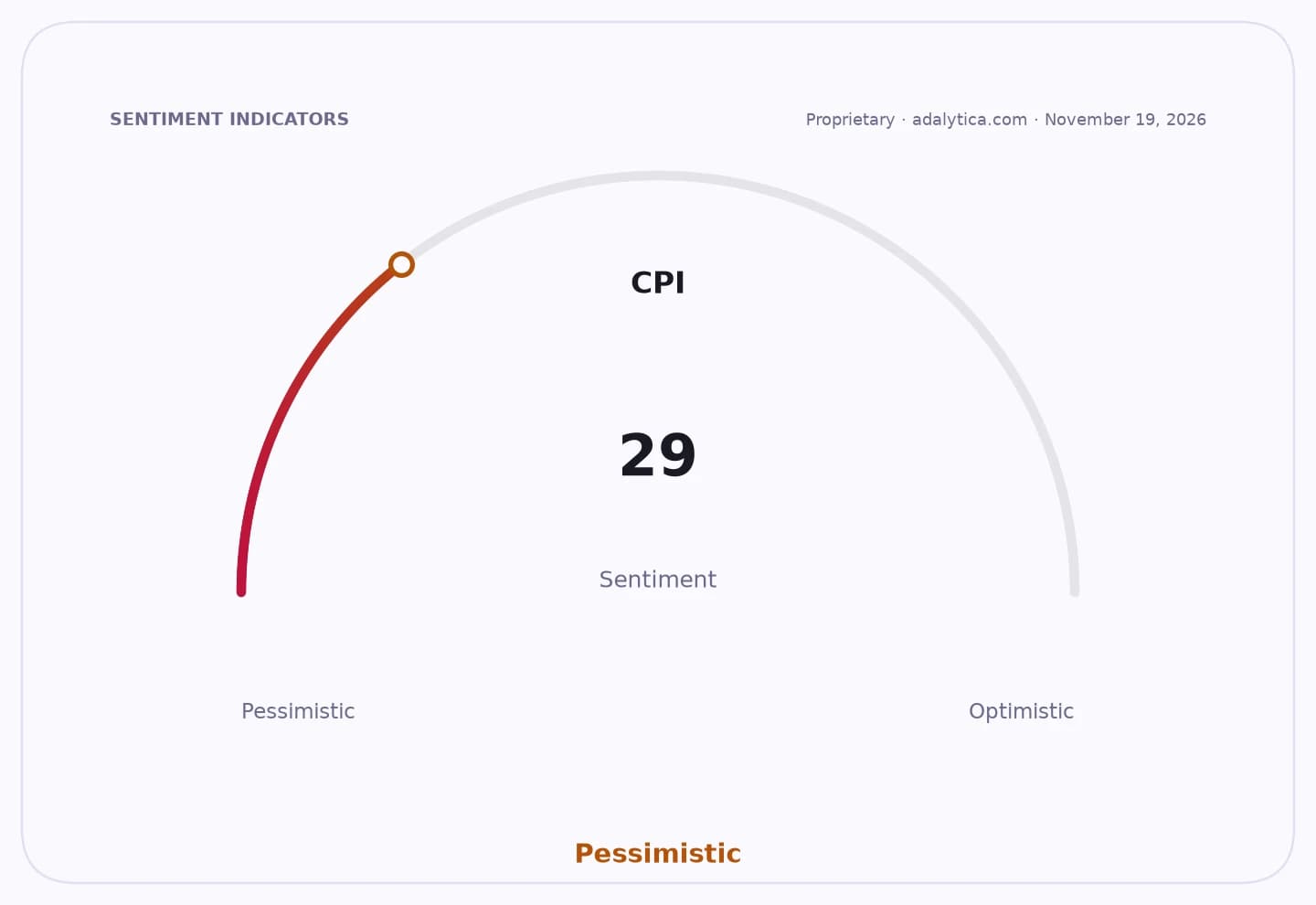
Sentiment Indicators
The rise matters economically because Malawi has limited room to absorb another sustained spike in prices. Higher inflation typically feeds into wage demands, business costs and government spending, while also putting pressure on the central bank to keep policy tight enough to protect the kwacha and curb second-round price effects.
Investors will read the number as another sign of macro instability in a low-income market already exposed to imported inflation, currency weakness and commodity price swings. Persistent inflation can weigh on local bond demand, raise borrowing costs for businesses and leave equity valuations under pressure as consumers cut back on discretionary spending.
The timing also matters because food inflation tends to have an outsized political impact in Malawi, where households spend a large portion of income on essentials. Any further acceleration could increase pressure on policymakers to act on prices, subsidies or FX availability, even as fiscal space remains constrained.
With prices still elevated and no clear sign of relief in the near term, the next key test will be whether monthly inflation cools enough to ease pressure on real incomes — or whether Malawi is headed into a prolonged period of stubbornly high price growth.
| Entity | Gains | Losses |
|---|---|---|
| Malawi government | ▲political urgency to act | ▼credibility on prices |
| Consumers | ▲little near-term relief | ▼purchasing power |
| Central bank | ▲justification for tight policy | ▼growth momentum |
| Local businesses | ▲possible pricing power | ▼higher costs, weaker demand |