Malaysians are set to keep spending at a steady clip over the next two years, but pricier groceries, higher fuel bills and heavy household debt are likely to limit how far that resilience can go.
Malaysia household spending seen steady through 2027

That is the central message from BMI, Fitch Solutions’ country risk unit, which expects household spending in Malaysia to grow 4.08% in 2026 and 4.07% in 2027 after adjusting for inflation. The outlook matters because consumer demand is a key pillar of Malaysia’s growth, and the forecast suggests the economy can still rely on domestic demand even as households absorb more of the cost of living.
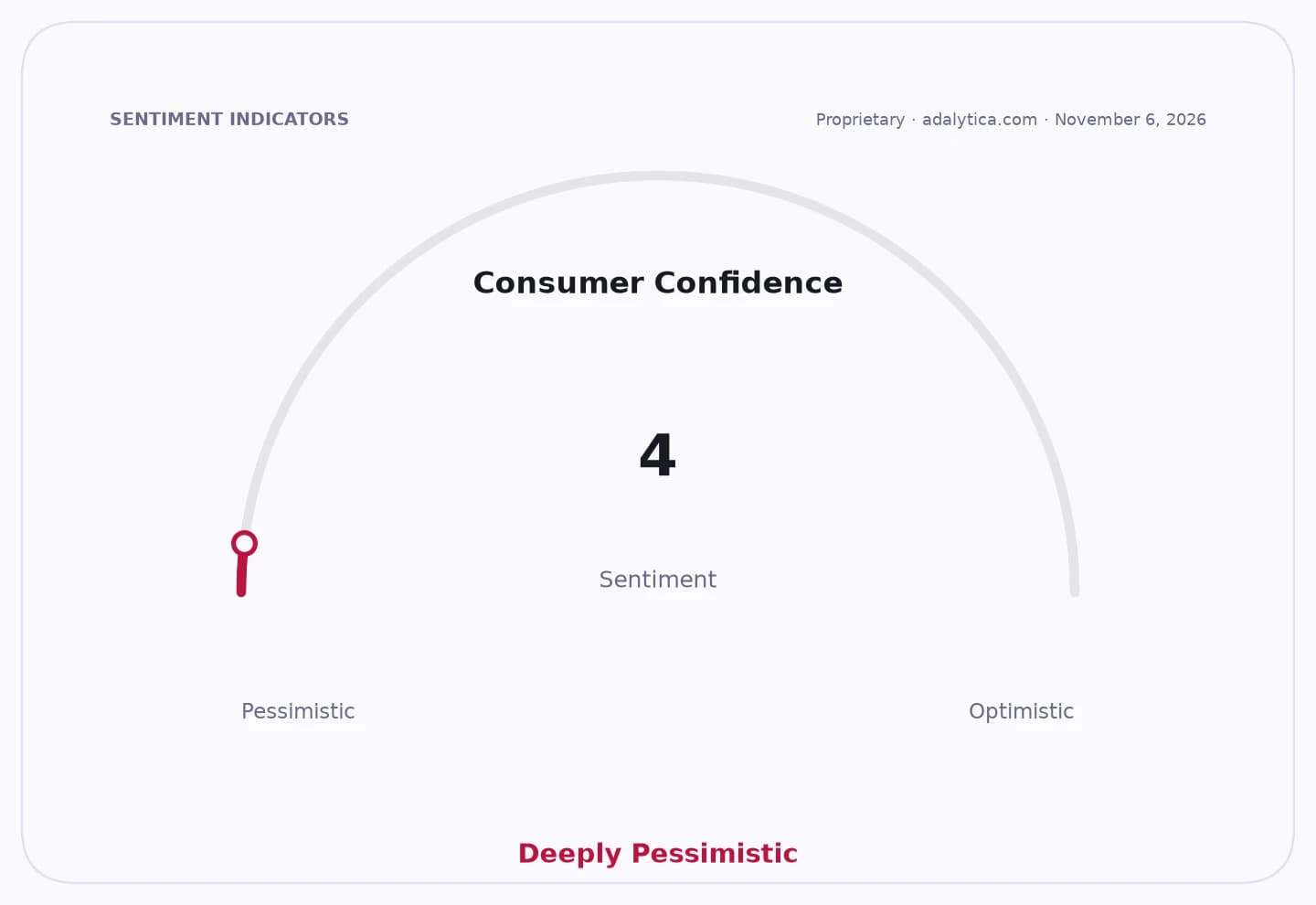
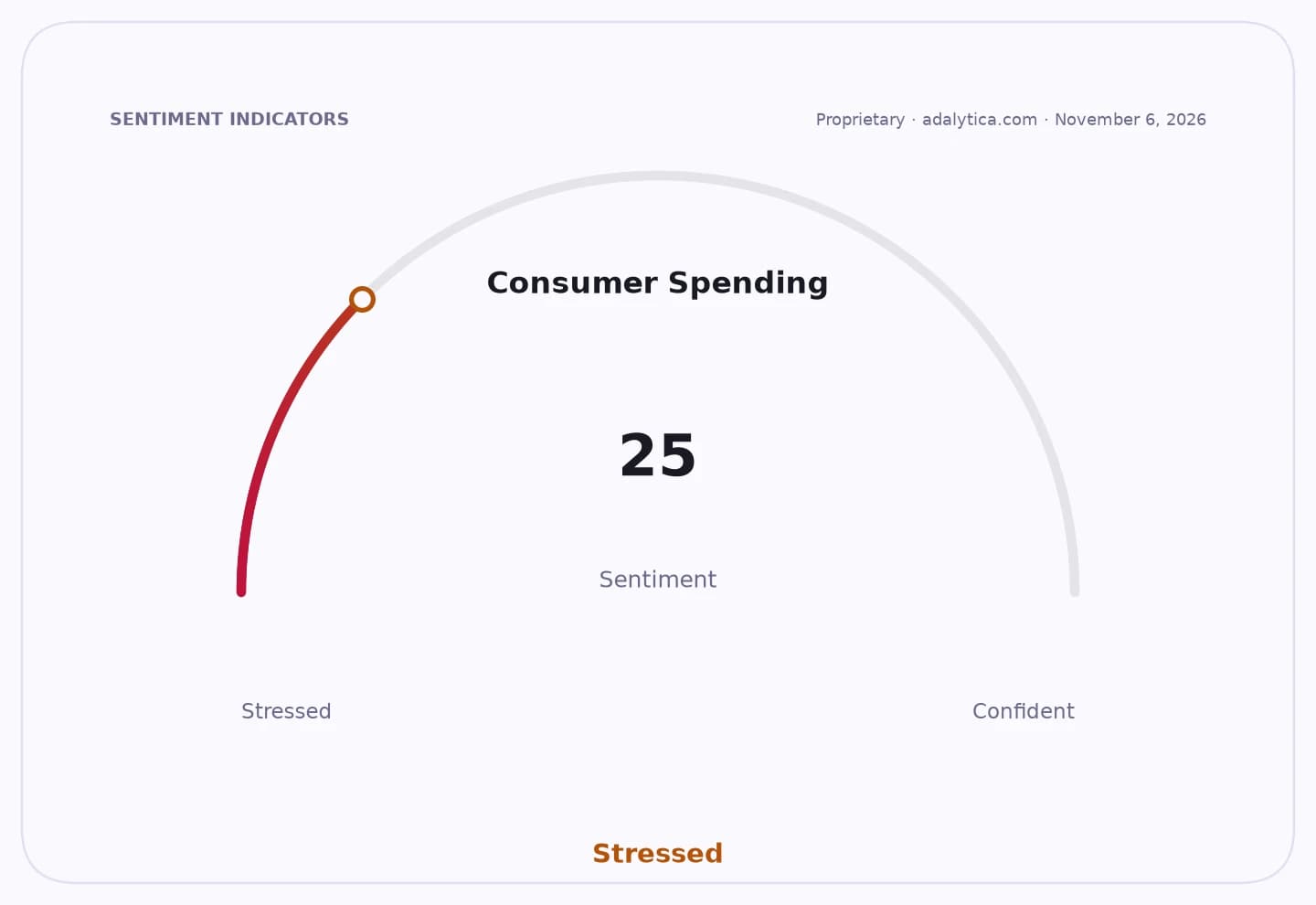
Sentiment Indicators
The near-term backdrop is not especially damaging on its own. Unemployment is at 3.1%, which points to a labour market that still supports consumption, while inflation eased to 1.8% in September from 1.9% in August. That leaves price growth comfortably within Bank Negara Malaysia’s 1.5% to 2.5% target band and gives the central bank room to keep policy unchanged. BMI expects the benchmark rate to stay at 2.75% on Thursday and to remain there through 2027.
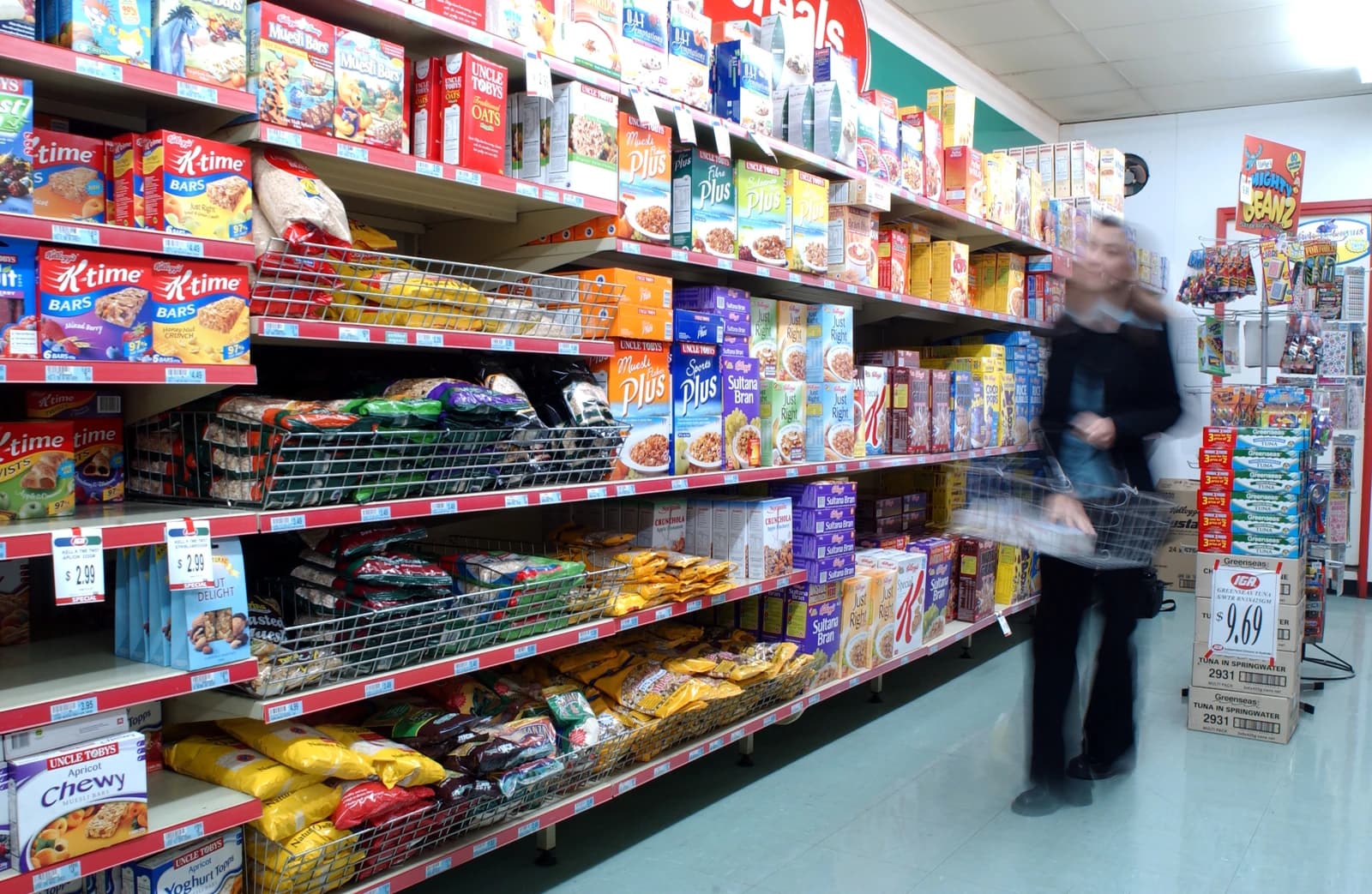
But the durability of spending will hinge on how long households can keep absorbing higher essentials. Food and non-alcoholic drinks account for 25.5% of household spending, making grocery inflation especially sensitive for consumers. BMI also flagged fuel costs as a major risk, alongside the burden of household debt and repayments, which can quickly crowd out discretionary purchases when living costs rise.
The broader economic picture is mixed. Stronger oil income and Petronas dividends should help government finances, but tighter public spending and higher living costs may offset some of that support at the household level. In other words, Malaysia does not look headed for a consumer slump, but the composition of spending is likely to skew toward necessities rather than broad-based retail exuberance.
For investors, that argues for selectivity. Consumer-facing companies with exposure to staples, value retail and essential services should be better insulated than businesses reliant on discretionary spending. Banks and consumer lenders may continue to benefit from steady employment and moderate growth, but elevated debt service costs could restrain credit demand and lift pressure on lower-income borrowers if food and fuel prices rise further.
The key question for the next two years is whether inflation stays contained enough to preserve real incomes. If it does, spending should remain solid. If food and fuel accelerate, Malaysia’s consumer story could still look healthy in the aggregate while becoming narrower, more defensive and less profitable for the parts of retail that depend on confidence.
| Entity | Gains | Losses |
|---|---|---|
| Staples retailers | ▲steady footfall | ▼margin pressure from costs |
| Discretionary retailers | ▲resilient demand if incomes hold | ▼weaker non-essential spending |
| Banks | ▲stable employment, loan growth | ▼higher debt-service strain |
| Households | ▲jobs and low inflation | ▼pricier groceries and fuel |