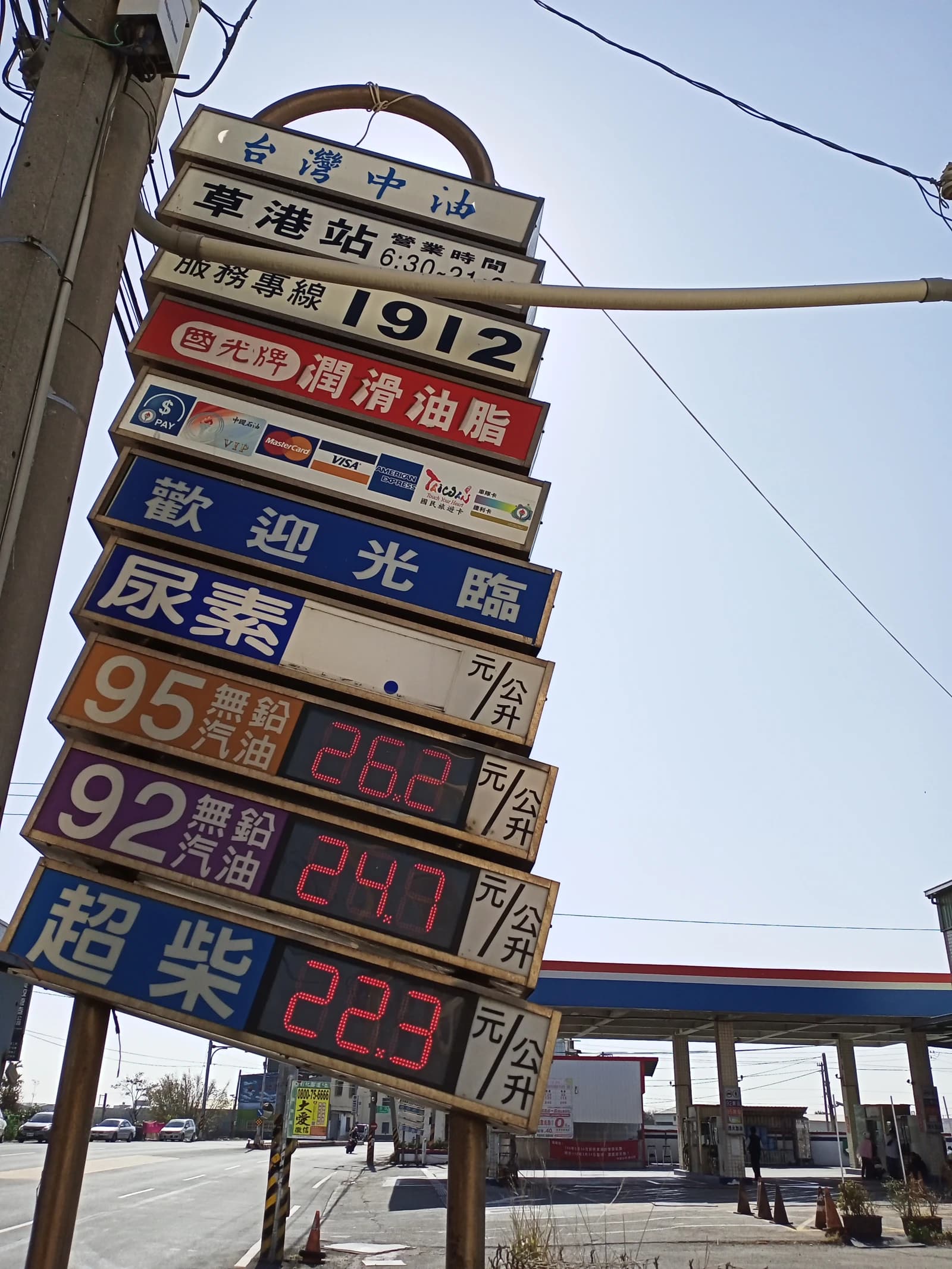
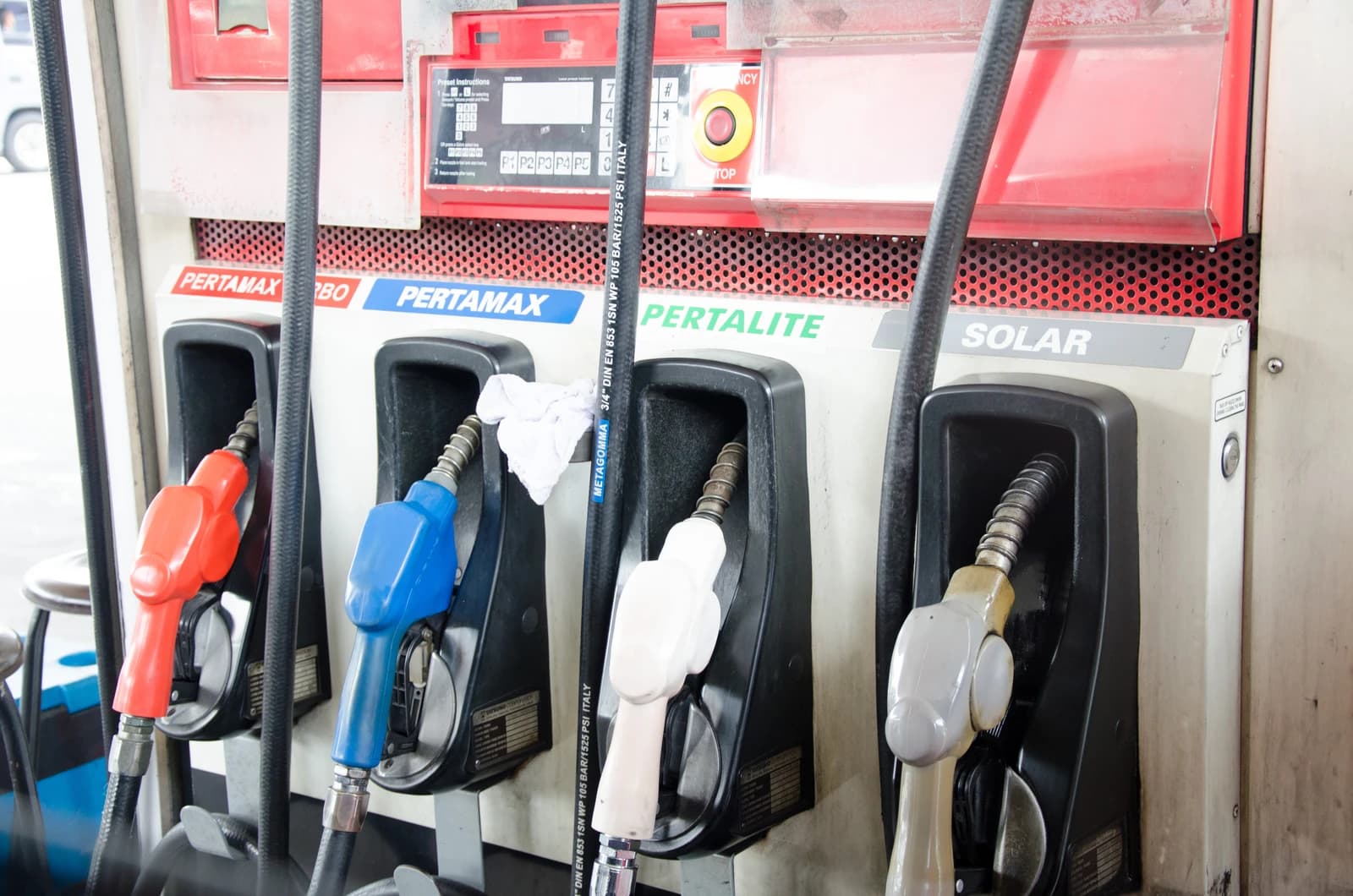
Higher crude oil prices are improving the economics of palm-based biodiesel in Malaysia, strengthening demand for crude palm oil just as El Nino risks threaten to tighten supplies later this year.
Malaysia palm oil gains on crude prices, El Nino risk
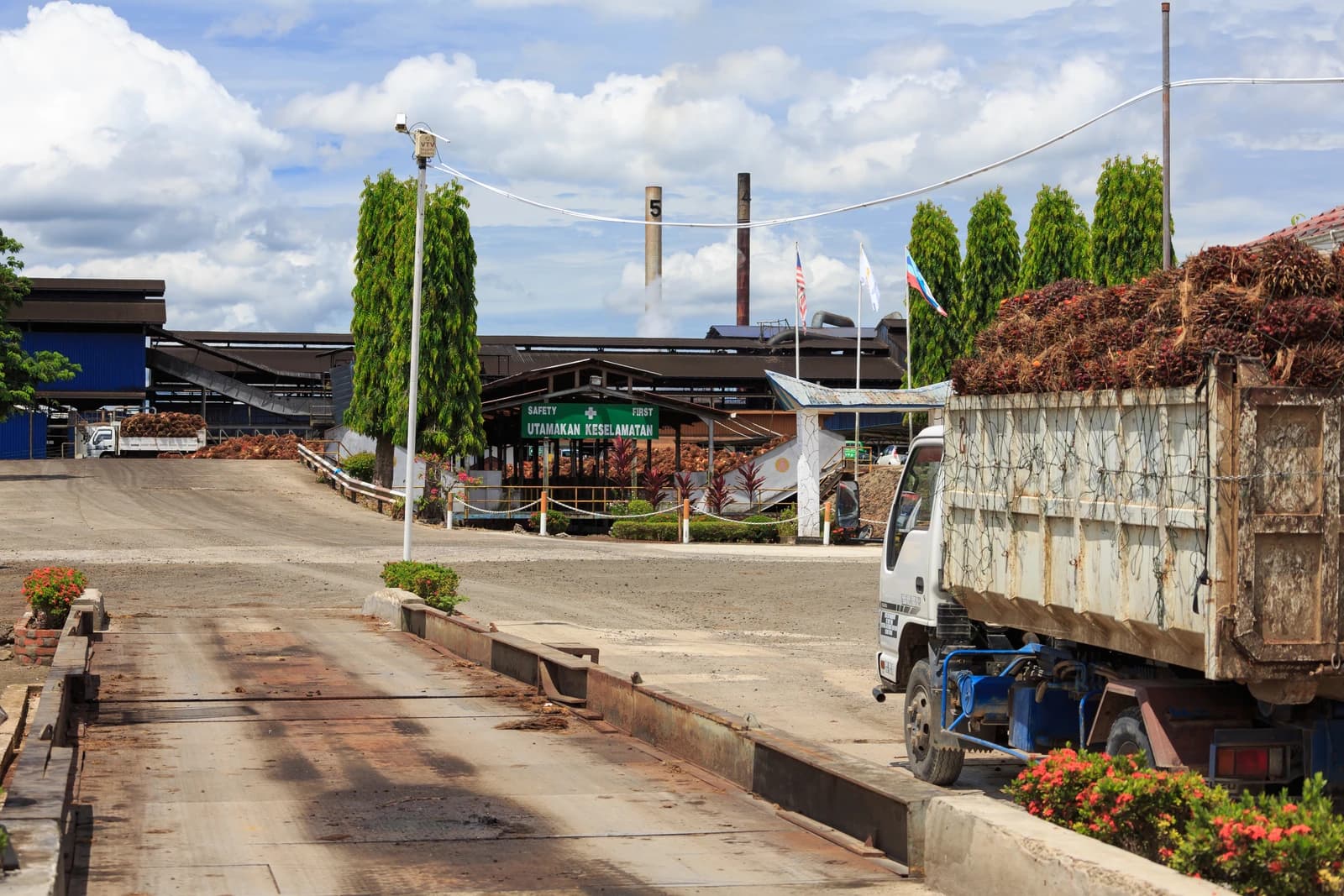
The key market mechanism is straightforward: when petroleum becomes more expensive, palm oil becomes a more competitive feedstock for biodiesel and the blending economics improve. That matters for Malaysia’s plantation sector because biodiesel demand can absorb more output, support crude palm oil prices and help offset periods of softer food-oil demand.
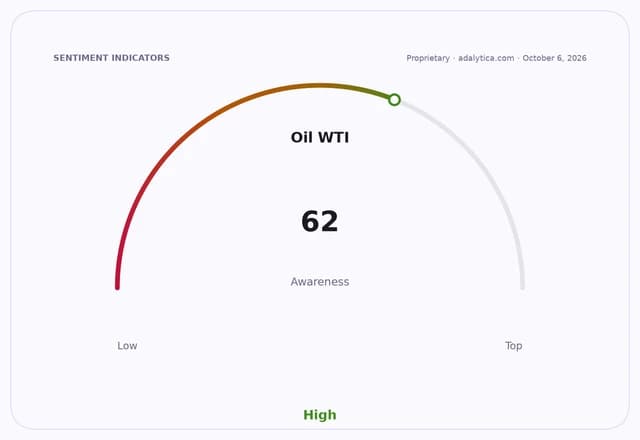
Sentiment IndicatorsⓘProprietary · adalytica.com · October 6, 2026
This is a snapshot — live sentiment, awareness and momentum for 130+ markets update continuously in the dashboard.Open AlphaPulse
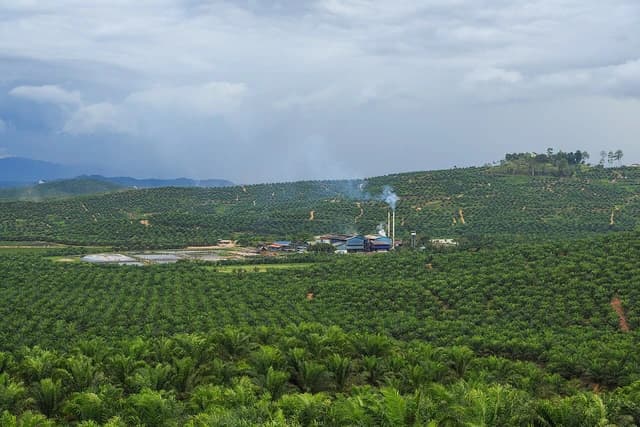
PublicInvest Research said the recent surge in crude, driven by tensions in West Asia, has lifted the relative appeal of palm oil as a biodiesel raw material and could help push benchmark crude palm oil to about RM4,500 a metric ton by year-end from a current average of RM4,430. For producers, even a modest rise in realised prices can have a meaningful impact on margins, particularly if input costs stay contained.
The backdrop is also turning more supportive on supply. El Nino typically takes months to filter through plantations before lower rainfall and heat stress show up in fresh fruit bunch yields, but the industry is already bracing for a hit. The research house expects Malaysia and Indonesia, which together dominate global palm supply, to see output fall by about 3% if the weather pattern persists, and by 5% to 8% in a more prolonged drought.
DCOILWTICO — macro contextadalytica.com
Explore this data interactively — full history, time series and cross-market comparisons.Open AlphaPulse
That combination of firmer biodiesel economics and tighter supply is important for investors because palm oil producers have faced a more volatile operating environment in recent years, with prices swinging on energy markets, weather and policy. A stronger crude backdrop tends to aid plantation counters, biodiesel-linked names and exporters, while pressuring refiners and downstream users that depend on cheaper feedstock.
There are risks to the bullish case. Oil prices can reverse quickly if geopolitical tensions ease, while any delay in the El Nino impact would temper near-term supply concerns. Higher energy prices can also feed into inflation and support central banks’ tighter policy bias, which could eventually weigh on broader commodity demand.
Still, for now, the narrative favours Malaysian palm growers: expensive crude is making biodiesel more attractive, and weather-related supply constraints could reinforce the price floor for crude palm oil into year-end.
| Entity | Gains | Losses |
|---|---|---|
| Malaysian palm growers | ▲Higher CPO prices | ▼Softer demand if crude falls |
| Biodiesel producers | ▲Better feedstock economics | ▼Higher input volatility |
| Palm oil exporters | ▲Stronger selling prices | ▼Delayed El Nino impact |
| Refiners/food users | ▲— | ▼Higher raw material costs |