Malaysia’s wage-setting system is coming under fresh scrutiny because pay gains are still lagging productivity, a mismatch that threatens household spending, social cohesion and the country’s long-term growth model.
Malaysia Wage Review Could Lift Domestic Demand

That is why Bank Negara Malaysia Deputy Governor Marzunisham Omar’s call for a review matters. If workers are producing more but not sharing enough in the upside, the economy can end up with stronger profits in the short run but weaker demand over time. For investors, that raises a familiar question: can Malaysia keep growing without a broader, more durable lift in incomes?
Sentiment IndicatorsⓘProprietary · adalytica.com · July 28, 2026
This is a snapshot — live sentiment, awareness and momentum for 130+ markets update continuously in the dashboard.Open AlphaPulse

The underlying economics are straightforward. Productivity growth is what allows an economy to raise living standards without stoking inflation. When wages rise more slowly than output per worker, companies may enjoy wider margins and remain competitive, but consumers lose purchasing power. Over time, that can cap domestic demand, especially in an economy that still relies on household spending to help drive growth.
That tension is especially relevant now because Malaysia has spent years trying to move up the value chain, attract higher-quality investment and keep inflation in check. A wage system that does not reward productivity risks leaving too many workers behind, even as businesses modernize. It also makes it harder to build a resilient middle class, which is essential if domestic consumption is to become a stronger engine of growth.
Wages — 30-day sentimentadalytica.com
Explore this data interactively — full history, time series and cross-market comparisons.Open AlphaPulse
For investors, the implications cut both ways. A more generous wage-setting framework could support retailers, banks and consumer-facing businesses by putting more money in workers’ pockets. But it could also squeeze margins for labor-intensive industries if pay rises faster than productivity in weaker firms. The best-positioned companies will be those that can absorb higher wages through automation, pricing power and operational efficiency.
The market backdrop suggests investors are already weighing those trade-offs. Malaysia’s stock market has been comparatively steady, but the broader signal from wage data is that the next leg of growth will depend less on cheap labor and more on productivity gains, skills development and better pay alignment. In other words, the old model of competing mainly on cost is losing force.
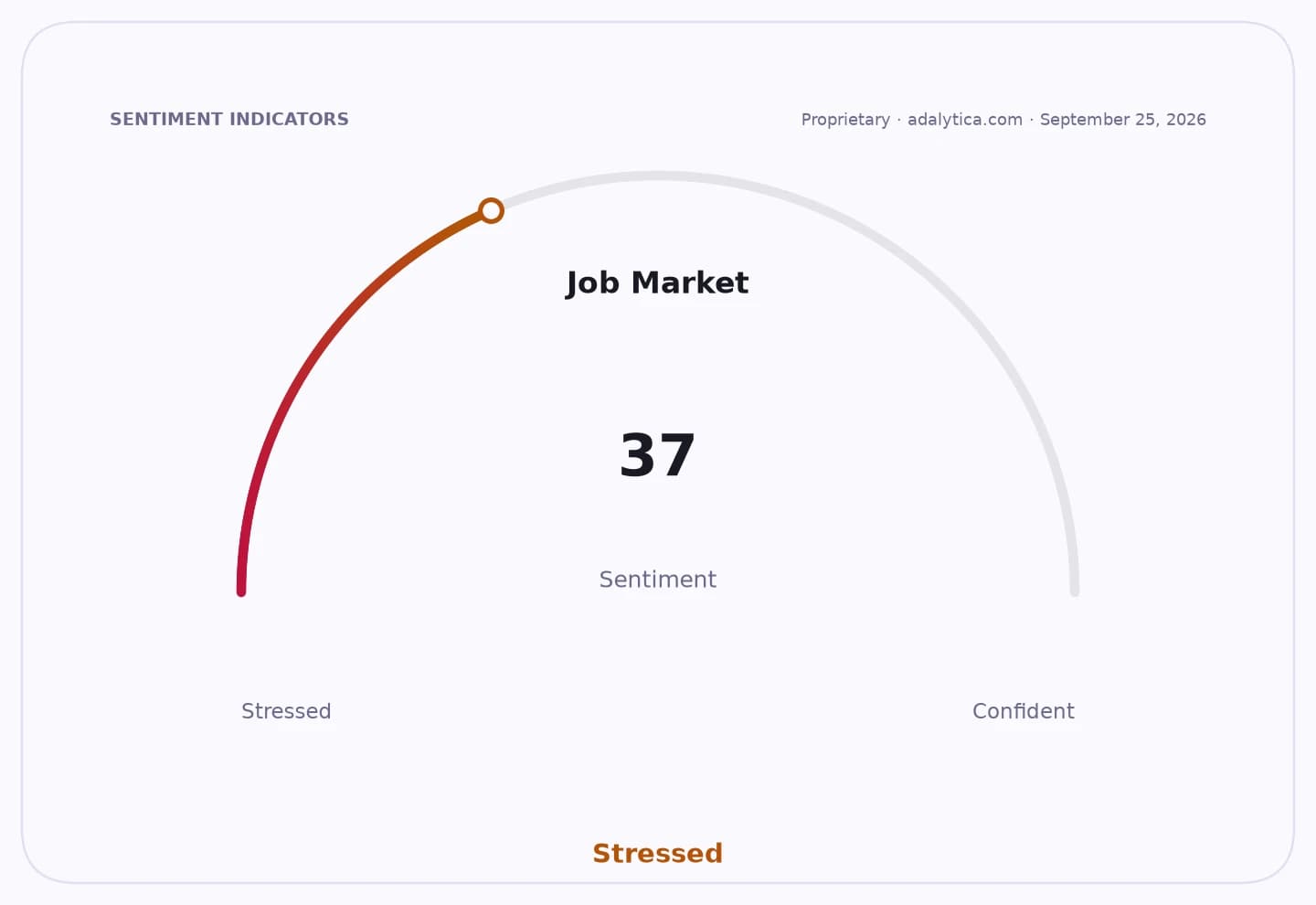
Adalytica’s Wage Inflation Sentiment gauge is neutral, but the underlying policy debate is not. The longer wages trail productivity, the more pressure there will be on authorities to redesign pay-setting rules, strengthen collective bargaining and push firms toward higher value-added work. That is not just a labor issue; it is a capital-allocation issue.
For long-term investors, the takeaway is clear. Countries that pay workers in line with productivity tend to build sturdier domestic demand and healthier corporate earnings over time. Malaysia’s review of wage setting is worth watching because it could reshape who gains from the country’s growth — and which businesses are best placed to compound through the next decade.
| Entity | Gains | Losses |
|---|---|---|
| Workers | ▲Higher pay growth | ▼Stagnant real incomes |
| Consumer-facing companies | ▲Stronger spending demand | ▼Weak household purchasing power |
| Productivity leaders | ▲Better margins, skilled labor appeal | ▼Less efficient rivals |
| Low-margin employers | ▲Short-term labor cost relief | ▼Pressure from reform and wage catch-up |