Malaysia’s plan to spend RM17 billion over five years to replace about 1,800 kilometers of aging water pipes is more than a public-works announcement — it is a clear signal that water infrastructure is moving from neglected utility spending to a national economic priority.
Malaysia Pipe Replacements Lift Water Infrastructure Theme
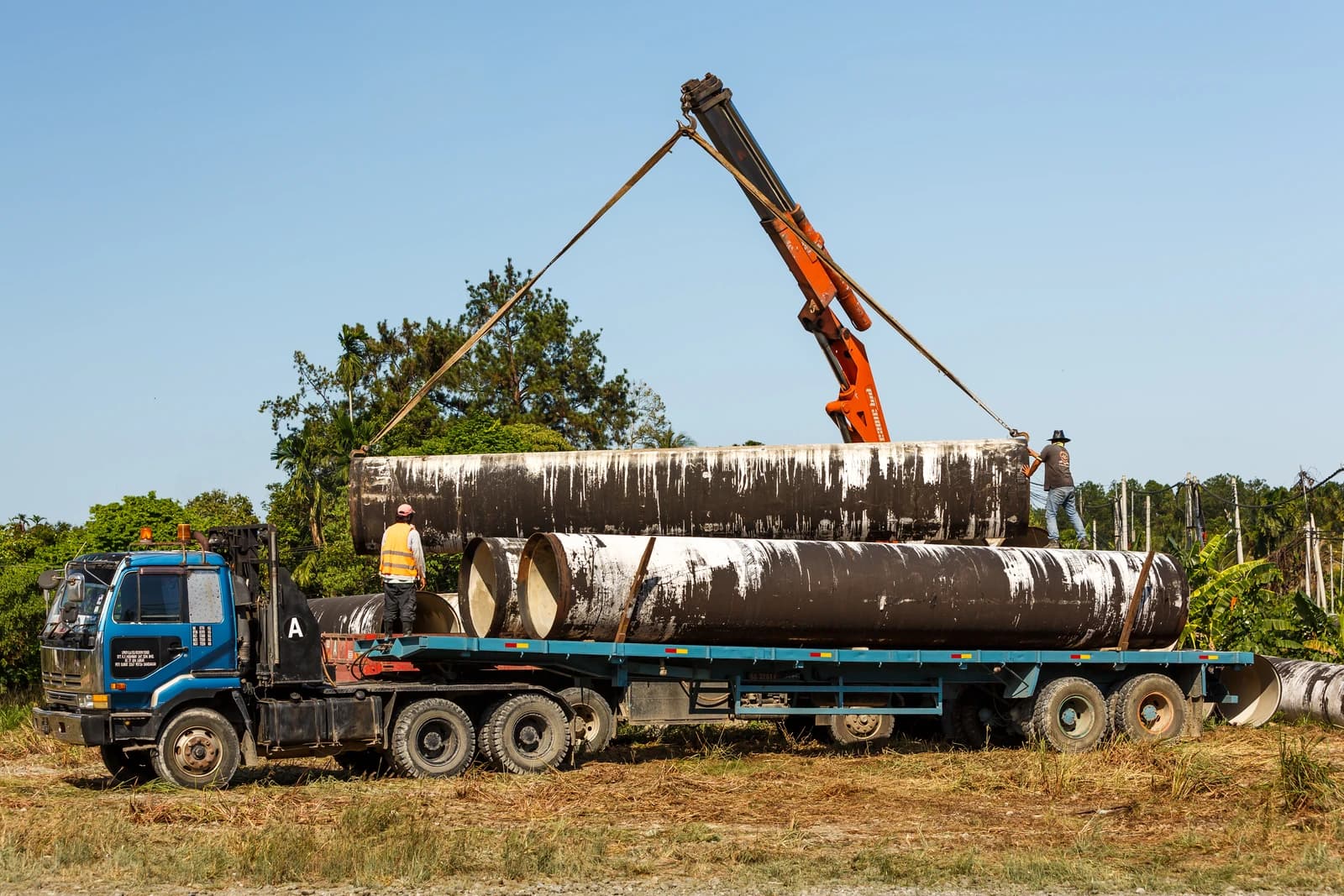
That matters because leaky, unreliable water systems drain growth in ways that are easy to miss until they become a crisis: lost treated water, higher operating costs, weaker industrial reliability and more pressure on households and local governments. In a world where water scarcity and service disruptions are becoming a political and economic risk, a large-scale replacement program can improve productivity, strengthen utility finances and create a steady multi-year capex pipeline for contractors, equipment suppliers and water-tech vendors.
The government said the 11th Malaysia Plan, running from 2026 to 2030, will phase in replacement of old pipes, including asbestos-cement lines, to reduce non-revenue water and stabilize supply. That is the right framing for investors: this is not just maintenance spending, it is an asset-replacement cycle that should support procurement, engineering work and network-modernization projects across the country. Utilities that can cut losses and improve service quality tend to get stronger rate-case support and better long-term cash generation.
The market is already telling the same story. Zurn Elkay Water Solutions, which sells plumbing and water-delivery infrastructure, has been trading above both its 50-day and 200-day moving averages, while Global Water Resources has recovered from a weak spring and is holding near recent highs. That does not mean these names are directly tied to Malaysia’s budget, but it does show how investors are rewarding exposure to water resilience, infrastructure repair and recurring replacement demand. The broader trade is clear: the market underestimates water as a secular infrastructure theme.
For investors, the opportunity is asymmetric because water spending is often slow to begin but difficult to reverse once a government commits. If Malaysia follows through, the winners are likely to be the “picks-and-shovels” names that provide pipes, valves, pumps, treatment systems, instrumentation and project management. The losers are the old-economy status quo: utilities burdened by high leakage, consumers facing unreliable supply, and contractors without scale or compliance capabilities.
The bigger takeaway is that water is starting to look like power grids and semiconductors did earlier in the cycle — a capital-intensive, policy-backed buildout with long tailwinds. I believe investors should treat RMK13 as a reminder that the next durable growth pocket may not be flashy AI compute, but the less glamorous infrastructure needed to keep economies running.
| Entity | Gains | Losses |
|---|---|---|
| Water infrastructure suppliers | ▲Multi-year order flow | ▼Pricing power for laggards |
| Malaysian government/utility system | ▲Lower NRW, better reliability | ▼Legacy pipe networks |
| Zurn Elkay Water Solutions (ZWS) | ▲Secular replacement demand | ▼Near-term valuation skepticism |
| Global Water Resources (GWRS) | ▲Infrastructure capex theme | ▼Utilities with high leakage |




