MARA Holdings’ decision to sell 13,597 bitcoin, raise $1.1 billion and pay down debt is the clearest sign yet that even the biggest Bitcoin miner is choosing balance-sheet strength over hoarding coins.
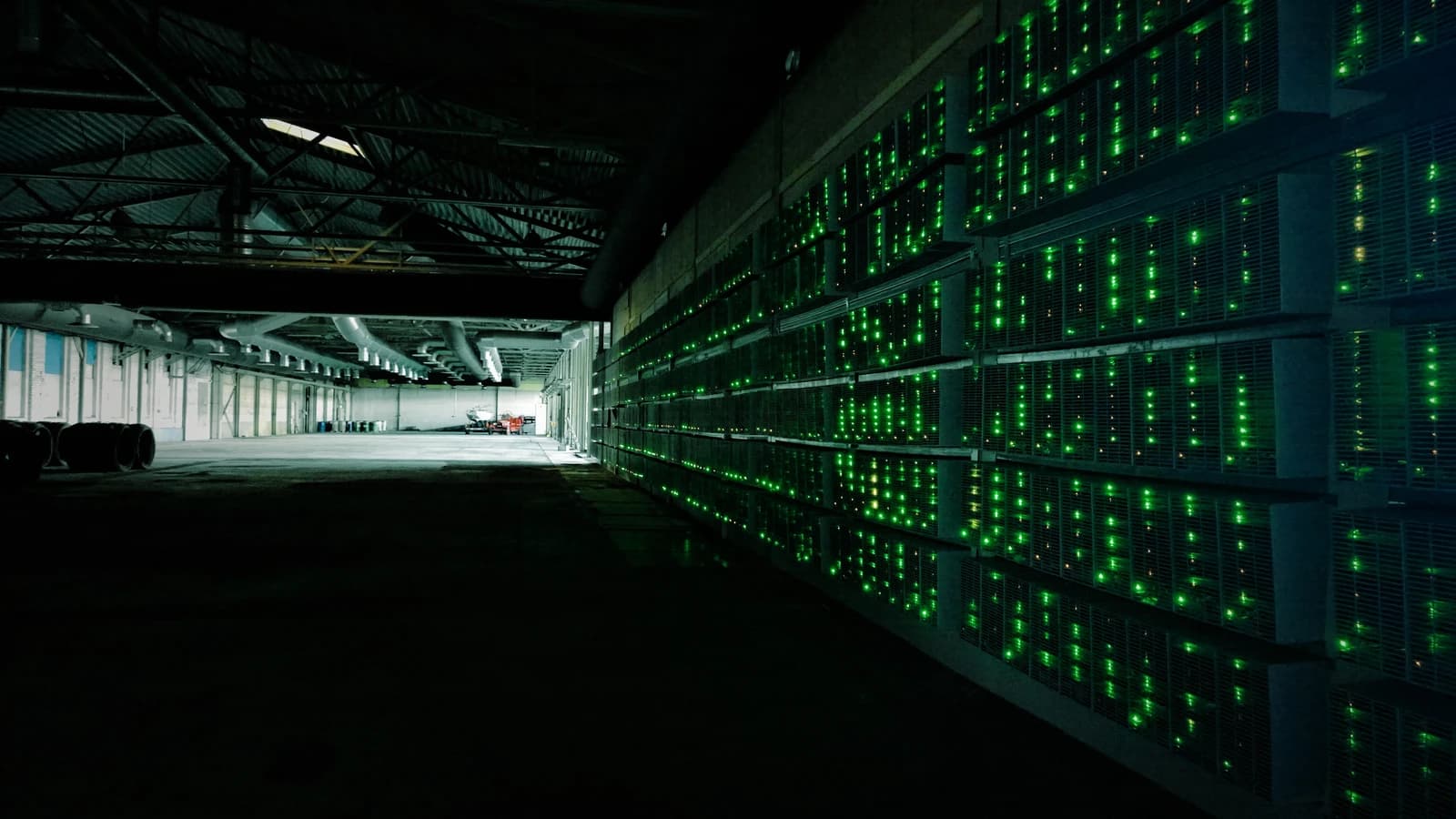
MARA Holdings sells bitcoin to reduce debt

That matters because MARA is not just another crypto stock. It is the largest listed Bitcoin miner, and when the industry’s flagship seller turns into a net distributor, it tells investors the economics of mining are getting tougher. Bitcoin has slipped to about $64,900, while MARA shares have fallen to $6.64, well below both the 50-day and 200-day moving averages, as the market reassesses how much profit miners can make when energy, equipment and financing costs keep rising.
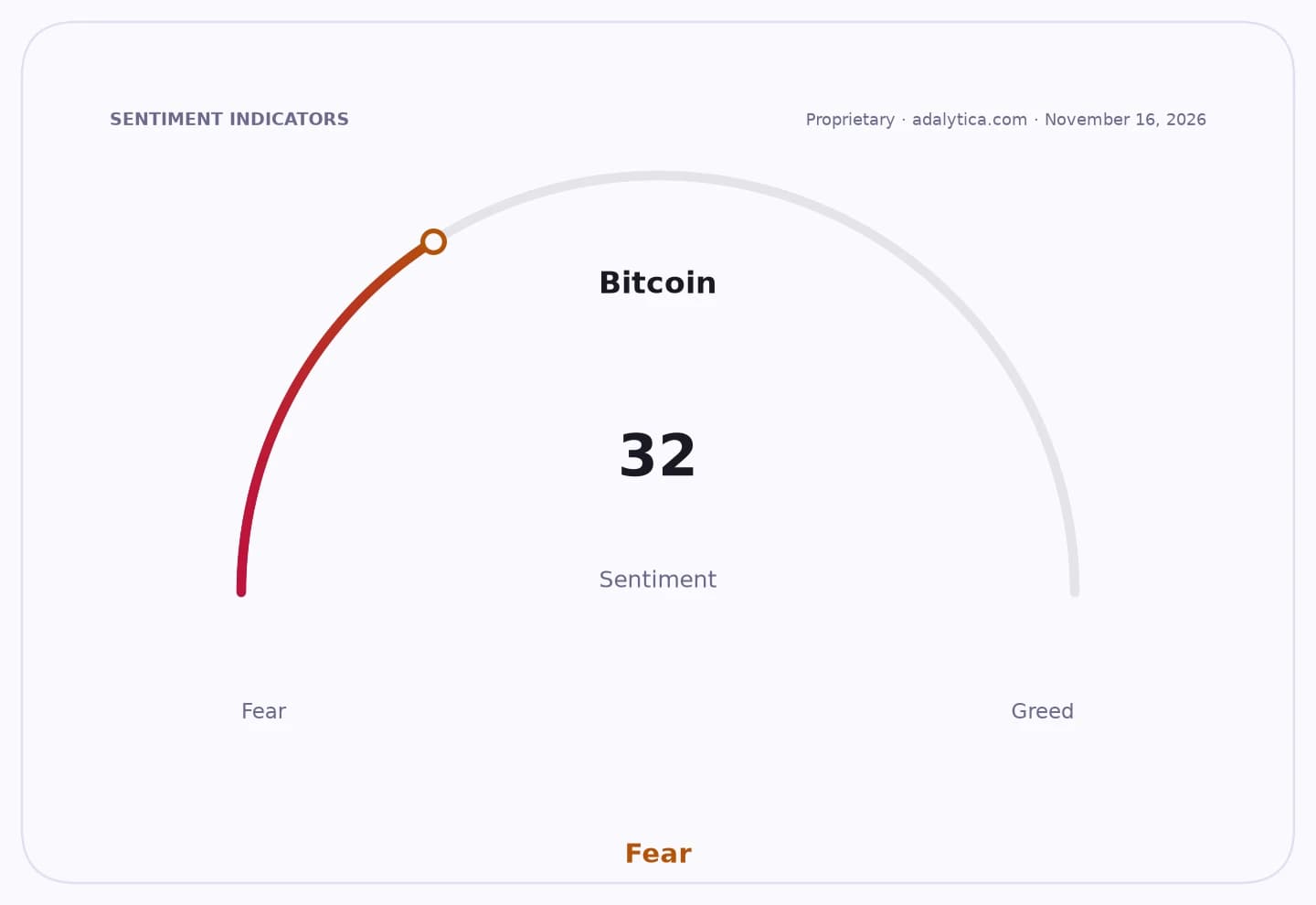
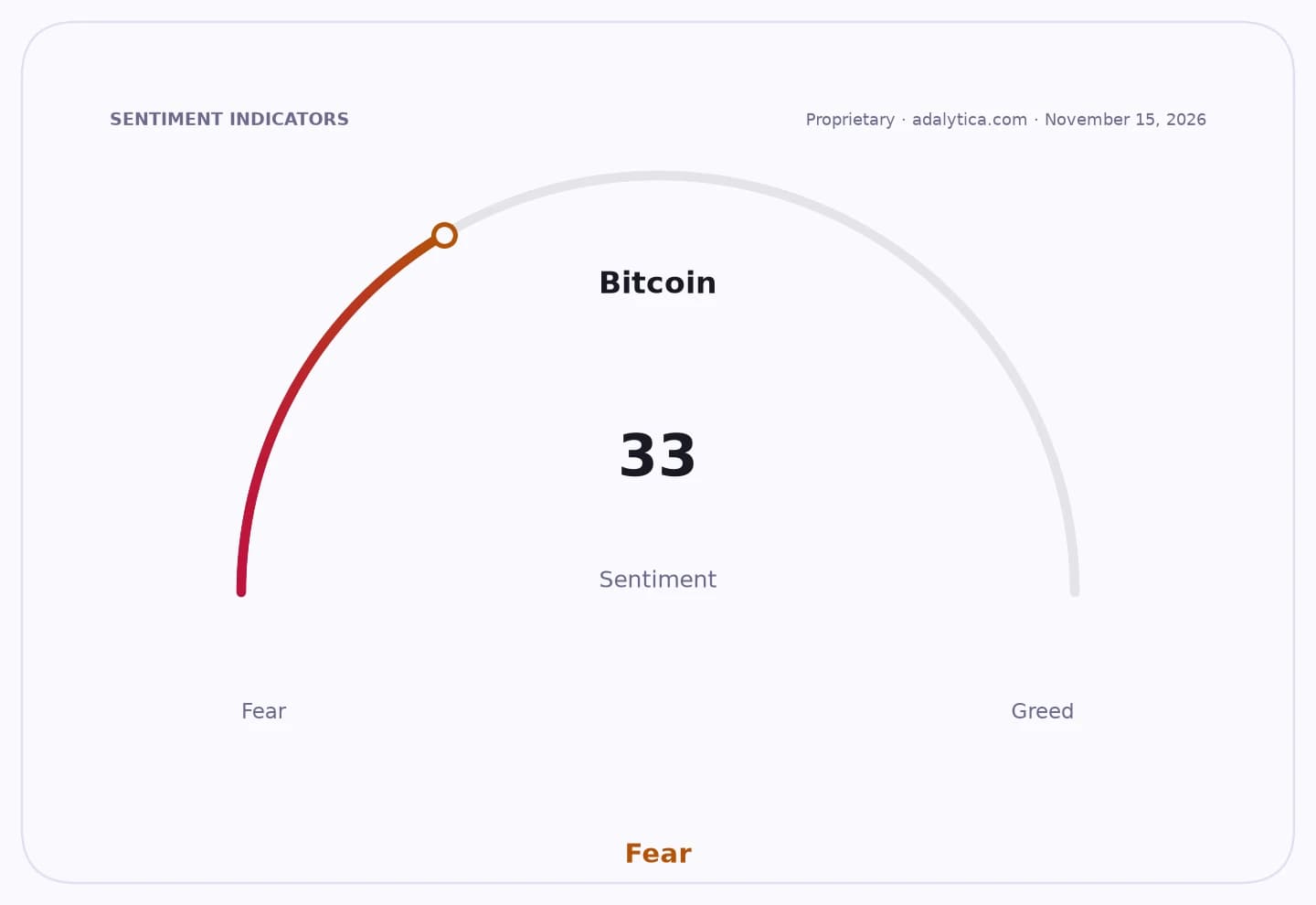
Sentiment Indicators
The company said it sold the bitcoin after the third quarter at an average price of about $81,039, bringing in roughly $1.1 billion. Of that, $750 million went to retire bitcoin-backed loans, which freed up 17,477 bitcoin that had been pledged as collateral. MARA also said the move would help fund debt service, its Long Ridge energy project, AI infrastructure and a $500 million share-repurchase authorization.
For long-term investors, the key question is not whether MARA “believes in Bitcoin.” It clearly still does. The real issue is that miners need cash flow, not slogans. MARA said its revenue fell 35% in the third quarter to $164.2 million, even as it reported a large net profit driven mainly by paper gains on its bitcoin holdings. The company’s energy cost per mined bitcoin was about $39,700, leaving far less room for error when Bitcoin weakens and capital spending stays high.
That is why this sale should be read as both a liberation and a warning. It reduces leverage, improves flexibility and gives MARA room to invest in data-center capacity and AI, where power and grid access are becoming more valuable than ever. But it also underscores a structural shift in the mining business: the best capital allocator may no longer be the one that simply holds the most bitcoin.
The broader market backdrop makes the move more interesting. Bitcoin’s latest slide has been fueled by forced liquidations and heavy ETF outflows, not by MARA alone. Still, the company’s willingness to sell coins after building such a large inventory sends a message: miners are no longer automatic buyers of last resort. If Bitcoin stays under pressure, more miners may be forced to choose between holding their treasury and protecting the business.
Strategy, the biggest corporate Bitcoin holder, remains on the other side of that trade, still accumulating. MARA is taking the opposite route, and both strategies can work — but only if Bitcoin eventually recovers. For investors, that makes MARA worth watching as a levered play on both Bitcoin and the future of energy-intensive compute. The stock looks beaten down, but the real long-term opportunity will belong to the miners that can compound cash flow, not just coin count, over the next several years.
| Entity | Gains | Losses |
|---|---|---|
| MARA Holdings | ▲Less debt, more flexibility | ▼Short-term crypto purists |
| Bitcoin miners | ▲Better capital discipline | ▼Hold-and-hoard strategy |
| Bitcoin buyers | ▲Potentially lower price entry | ▼Near-term market sentiment |
| Strategy | ▲Relatively clearer contrast as accumulator | ▼Narrative of miners as permanent holders |