Marks and Spencer is winning over budget-conscious shoppers with a £25 thermal top that fans say rivals Lululemon’s £138 version, underscoring how consumers are trading down even in seasonal apparel as colder weather lifts demand for warm basics.
M&S thermal top compares with Lululemon jacket
The M&S Heatgen Maximum Thermal Funnel Neck Top comes in three colours and sells for £25, versus Lululemon’s Adapted State Thermal Track Jacket, which is currently marked down to £104 from £138. The comparison matters because it pits a mass-market retailer against one of the better-known premium activewear brands at a moment when consumers are still willing to spend, but are increasingly sensitive to price.
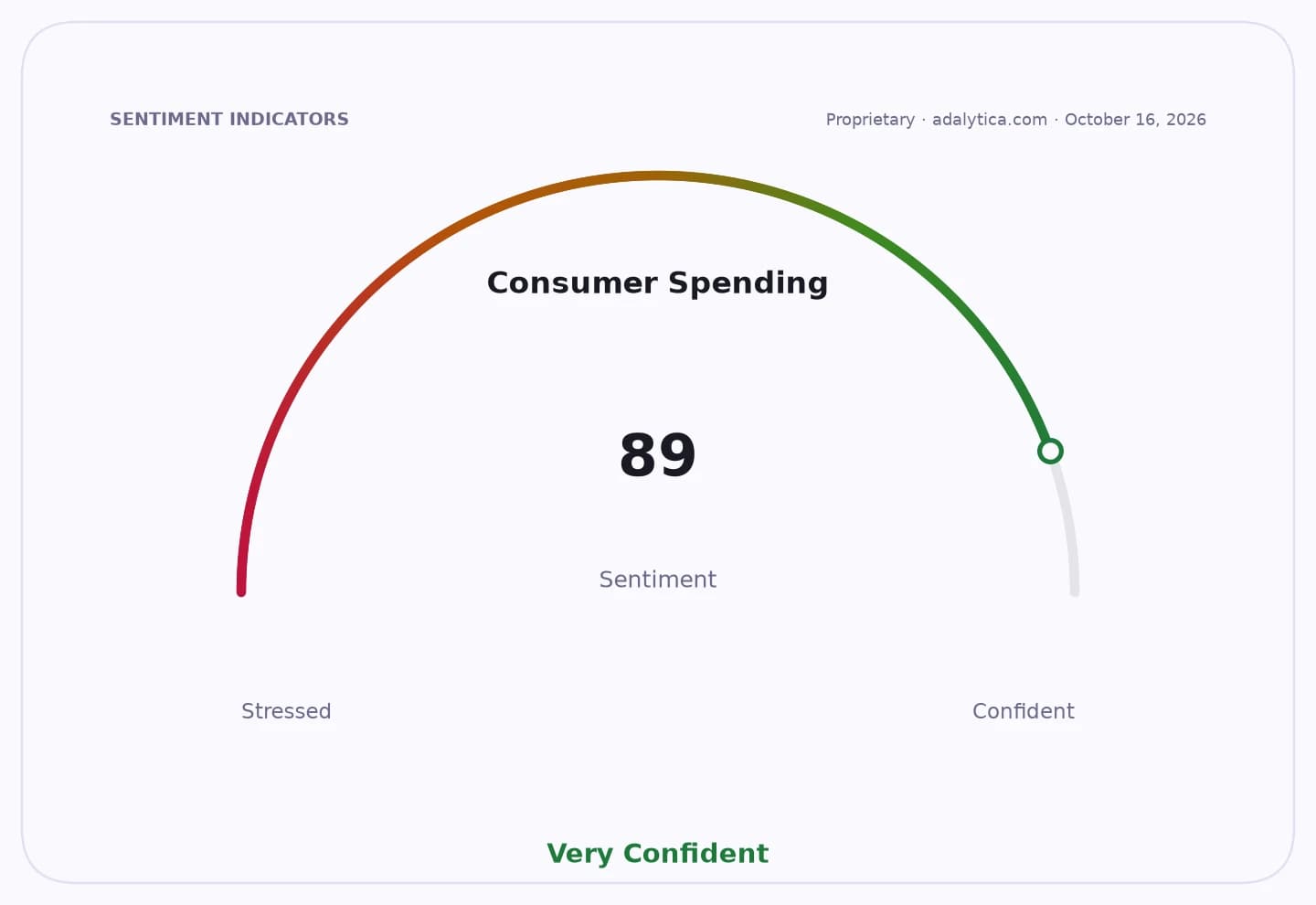
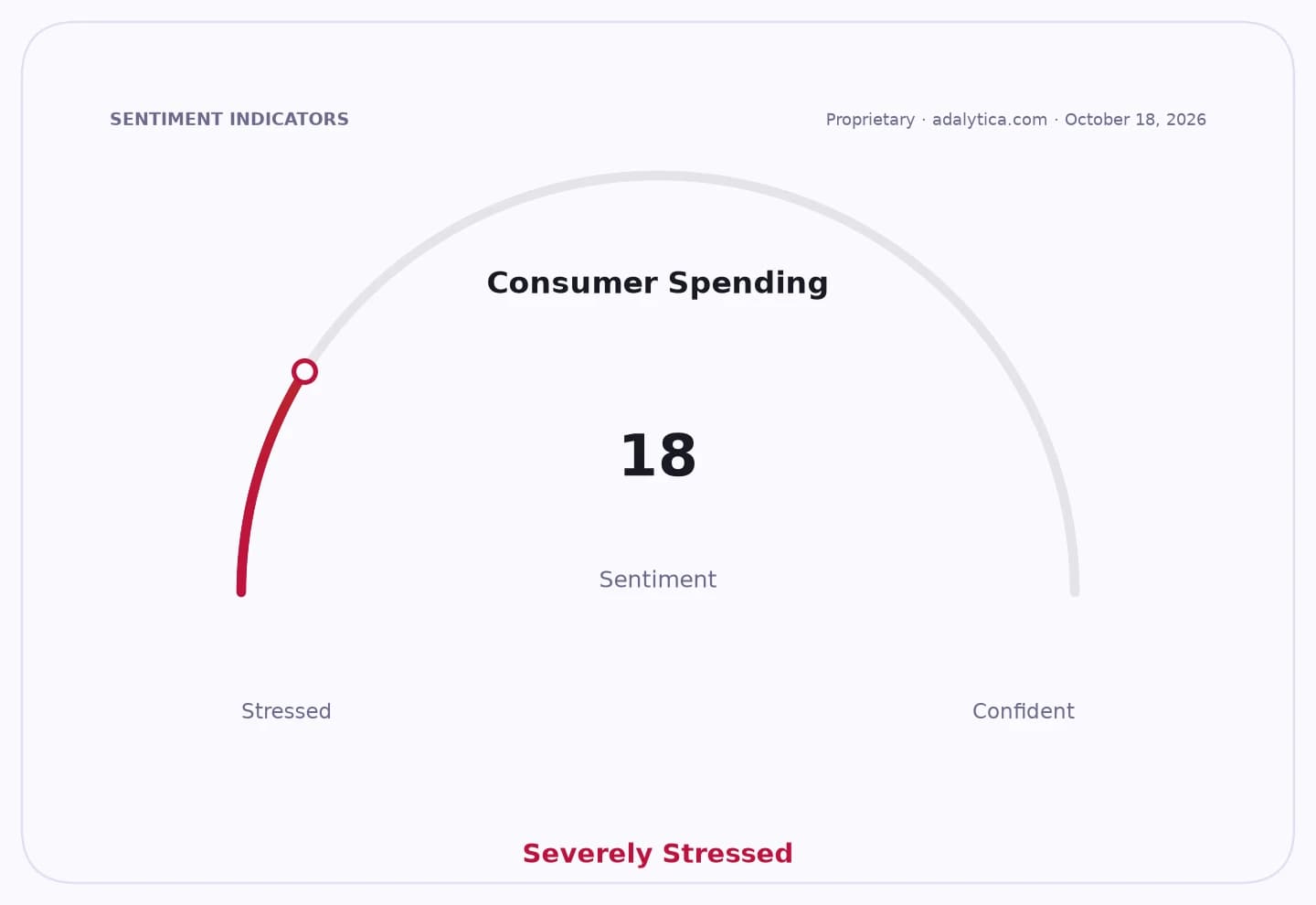
Sentiment IndicatorsⓘProprietary · adalytica.com · October 15, 2026
This is a snapshot — live sentiment, awareness and momentum for 130+ markets update continuously in the dashboard.Open AlphaPulse
M&S says the thermal is designed to be lightweight, breathable and insulating, with added stretch and a concealed zip. Shoppers have given it an average review score of 4.3 out of 5, praising its “great fit,” softness and warmth, though some said it runs small and recommended sizing up.
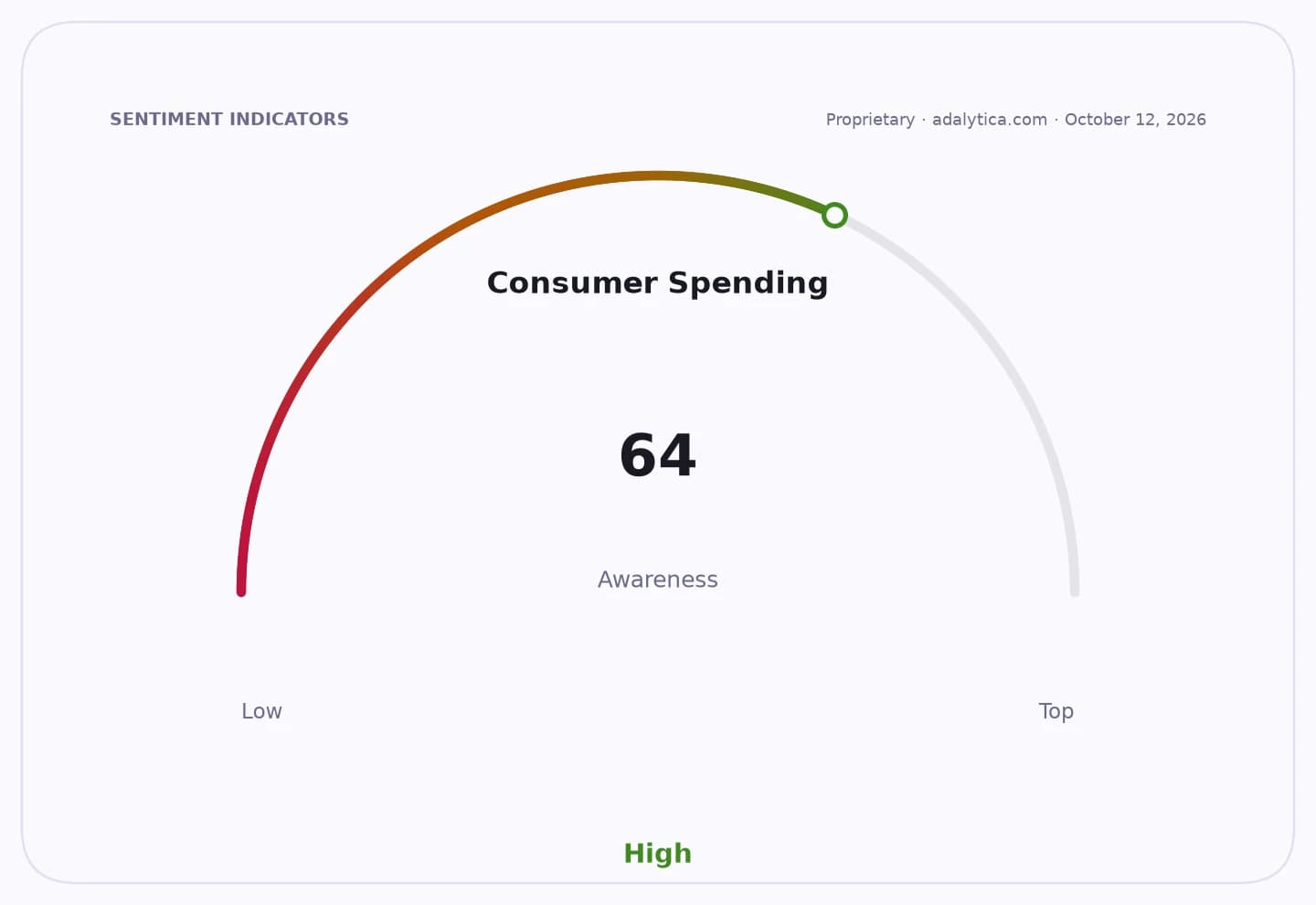
For investors, the story speaks to the resilience of value-led apparel ranges and the pressure on premium labels to justify higher price points. Adalytica’s Consumer Spending Sentiment sits at “Extreme Greed,” while Retail Goods Spending Sentiment is also at “Extreme Greed,” suggesting appetite for discretionary purchases remains elevated even as buyers hunt for cheaper alternatives.
Lululemon shares have been volatile, and the stock closed at $99.09 on Oct. 15, well below its 50-day moving average of $107.29 and its 200-day average of $139.71. The stock’s RSI reading of 44.1 suggests it is no longer deeply oversold, but it remains far below levels seen earlier in the year when momentum was stronger.
The broader backdrop is a retail market where thermal wear, funnel-neck styles and other cold-weather basics are in demand, but competition is intensifying as lower-priced chains and private-label offerings challenge premium brands on look and functionality. For M&S, the value message is a clear selling point; for Lululemon, it is another reminder that brand strength has to carry the margin gap.
The key test will be whether this kind of trade-down behavior persists into the winter shopping season and into upcoming apparel earnings, when retailers and activewear brands will have to show they can protect sales without leaning too hard on discounts.
| Entity | Gains | Losses |
|---|---|---|
| Marks and Spencer | ▲Higher traffic on value basics | ▼Margin upside if discounting rises |
| Lululemon | ▲Premium brand visibility | ▼Price-comparison pressure |
| Consumers | ▲Cheaper cold-weather options | ▼Less differentiation at top end |
| Rival apparel chains | ▲Validation of thermal demand | ▼Harder fight on value and fit |