Matsui Securities’ move to let Japanese investors trade U.S. stocks for 23 hours a day is more than a product tweak — it is a direct response to the market’s biggest structural opportunity: capturing round-the-clock demand for American equities from Asia’s biggest retail pool.
Matsui’s 24-Hour U.S. Stock Access Reshapes Brokers
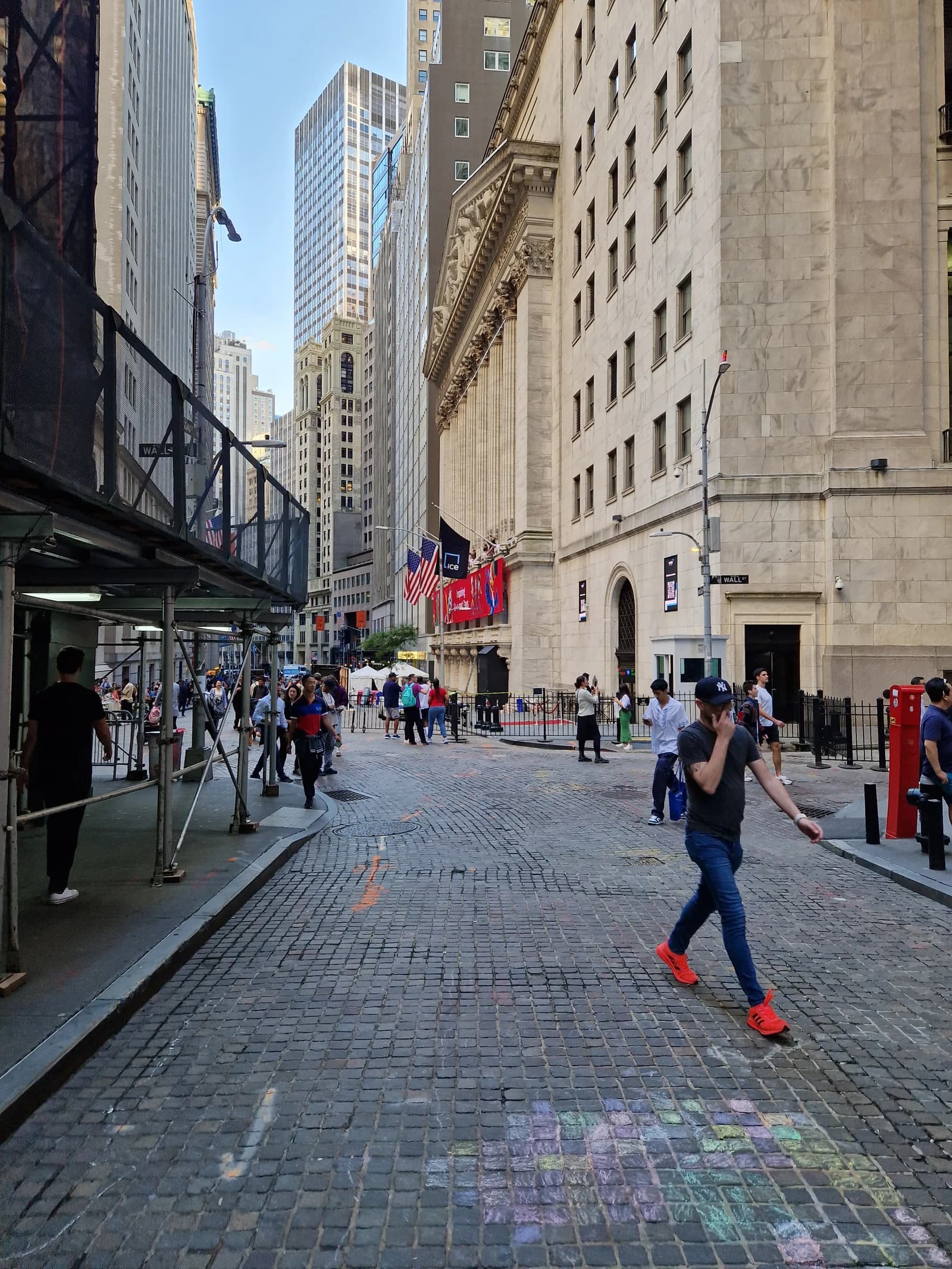
That matters because the trading day is becoming the new battleground for brokers. Investors no longer want to wait for Tokyo to open to react to Wall Street earnings, Federal Reserve headlines or moves in the dollar-yen pair. By extending access to U.S. shares into Japan’s daytime hours from Dec. 6, Matsui is trying to pull in a generation of investors who increasingly treat global equities as a 24-hour market. The broker that owns the clock wins order flow, commissions and customer loyalty.
Sentiment IndicatorsⓘProprietary · adalytica.com · July 28, 2026
This is a snapshot — live sentiment, awareness and momentum for 130+ markets update continuously in the dashboard.Open AlphaPulse
The timing is important. The Fed is still in restrictive territory, with policy rates around 3.63%, while the 10-year Treasury yield is near 4.7% and the two-year around 4.4%. That keeps U.S. yields elevated, U.S. assets globally relevant and currency moves volatile enough to drive constant trading interest. At the same time, the yen remains under pressure, with Adalytica’s Japanese yen trade signals showing elevated awareness and a still-fragile sentiment backdrop. For Japanese investors, that combination makes U.S. stocks both a hedge and a speculative outlet.
This is why the brokerage implications are bigger than the headline suggests. The firms best positioned to monetize 24-hour access are the ones with scale, digital distribution and low-friction execution. Interactive Brokers, Charles Schwab and other global brokers already benefit from cross-border trading demand, and Matsui’s move underscores how Japanese platforms must compete on convenience, not just price. The industry is drifting toward a model in which execution hours, app design and instant FX conversion matter as much as the underlying stock selection.
The market is also telling you where the opportunity lies. IBKR has held up better than many peers because overnight and multi-market trading are already embedded in its model. Schwab has also stabilized as investors rotate back into brokers with broad retail reach. Matsui’s expansion could pressure domestic rivals that lack either the technology stack or the brand to make U.S. equity trading feel seamless. In Japan, where many smaller stocks have struggled to attract foreign participation, global stock access is increasingly the cleaner trade.
For investors, the thesis is straightforward: the next leg of brokerage growth will not come just from more clients, but from more hours per client. That is the hidden leverage in extended trading. More access drives more activity, which drives more FX conversions, more commissions and more market share for platforms built to serve a global, always-on investor base.
If Matsui’s rollout gains traction, expect more Japanese brokers to follow. The real winner is not one trading feature — it is the broader shift toward permanent, cross-border market access. I believe the best way to play it is to focus on brokers and exchange infrastructure that profit from rising transaction intensity, especially firms with strong U.S. equities franchises and overnight trading capability.
| Entity | Gains | Losses |
|---|---|---|
| Matsui Securities | ▲More order flow | ▼Legacy competitors |
| Japanese retail investors | ▲Daytime U.S. access | ▼Trading-time friction |
| Global brokers like IBKR | ▲Higher overnight activity | ▼Smaller domestic brokers |
| Local rivals without 24-hour platforms | ▲— | ▼Market share and commissions |




