Bank of Commerce’s first-half profit rose 13% as stronger core lending and lower funding costs pushed net interest income higher, underscoring how balance-sheet growth is still driving earnings across U.S. regional banks.
MBIN profit rises 13% to $265.2 million
That matters because bank profits are increasingly tied to loan demand and deposit pricing rather than trading or one-off gains. For lenders, a steady pickup in core lending can translate into wider margins, better capital generation and more room to expand credit without leaning on fee income.
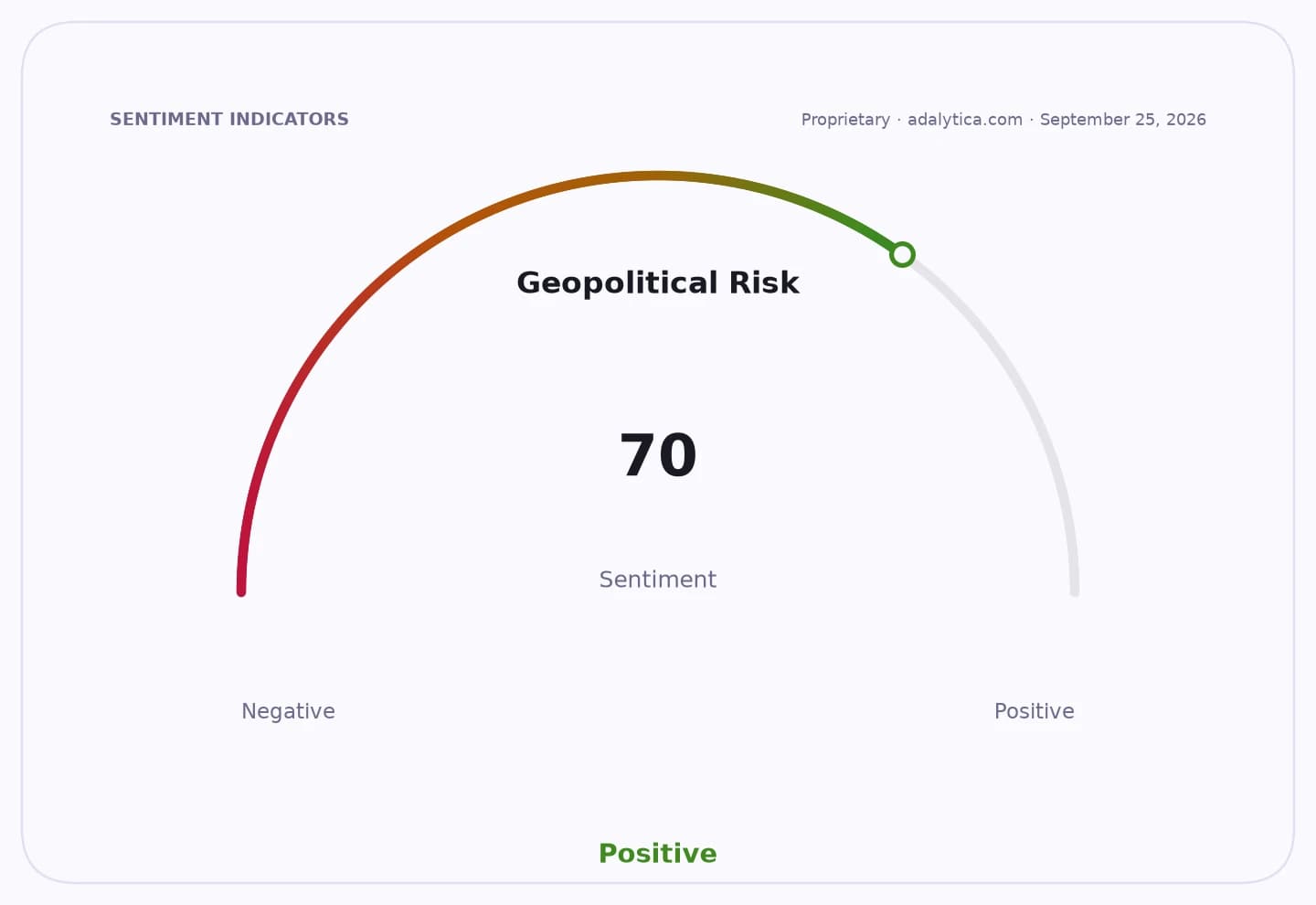
Sentiment IndicatorsⓘProprietary · adalytica.com · August 10, 2026
This is a snapshot — live sentiment, awareness and momentum for 130+ markets update continuously in the dashboard.Open AlphaPulse
The catalyst is showing up in the numbers. MBIN reported net interest income of $265.2 million for the six months ended June 30, up 6% from a year earlier, helped by lower interest expense on certificates of deposit and borrowings. The bank’s first-half earnings strength comes even as its net interest margin held at 2.81%, indicating the improvement is being driven more by loan volume and funding discipline than by a sharp repricing of assets.
Investors tend to reward that mix because it is more durable than episodic revenue spikes. MBIN shares have climbed sharply in recent months and closed at $54.25 on Aug. 7, well above the 200-day moving average of $42.10, while the 50-day moving average sits at $49.60. The stock’s RSI reading of 69.2 suggests the rally has been strong, but not yet broken.
The broader backdrop is also supportive for banks. The S&P 500 has been in an extreme-greed regime in Adalytica’s trade signals, while the U.S. dollar shows similarly elevated sentiment, a combination that often reflects stronger risk appetite and a more active lending environment. For regional lenders such as Bank of Commerce, Fifth Third and Truist, the key question into the second half is whether loan growth can keep outpacing deposit costs as competition for funding remains tight.
The next driver for investors will be whether Bank of Commerce can keep core lending momentum intact without sacrificing credit quality or margin. Any update on loan growth, deposit mix and funding costs in the next earnings cycle will be the main test of whether the profit surge is the start of a longer run or just a favorable half-year.
| Entity | Gains | Losses |
|---|---|---|
| Bank of Commerce (MBIN) | ▲Higher profit, stronger lending income | ▼Funding-cost pressure if deposits reprice higher |
| Borrowers with credit demand | ▲Better access to loans | ▼Less leverage if banks tighten standards |
| MBIN shareholders | ▲Improved earnings visibility | ▼Risk of short-term overbought pullback |
| Rival regional banks | ▲Sector validation for loan growth | ▼Pressure to match lending and deposit pricing |