A sharp jump in current-coupon mortgage-backed securities yields is pressuring one of the most important financing benchmarks in housing, with the rate rising 40 basis points in a week as investors marked down bonds on hotter inflation data and a more hawkish Federal Reserve outlook.
MBS yields jump on hotter inflation and hawkish Fed

The move matters because current-coupon MBS help set the tone for mortgage pricing, hedging and mortgage-banking profitability across the housing finance chain. Wider spreads and higher yields can lift borrowing costs for homebuyers, squeeze refinancers and erode the value of mortgage servicing rights, while also reshaping how lenders and bond investors hedge duration risk.
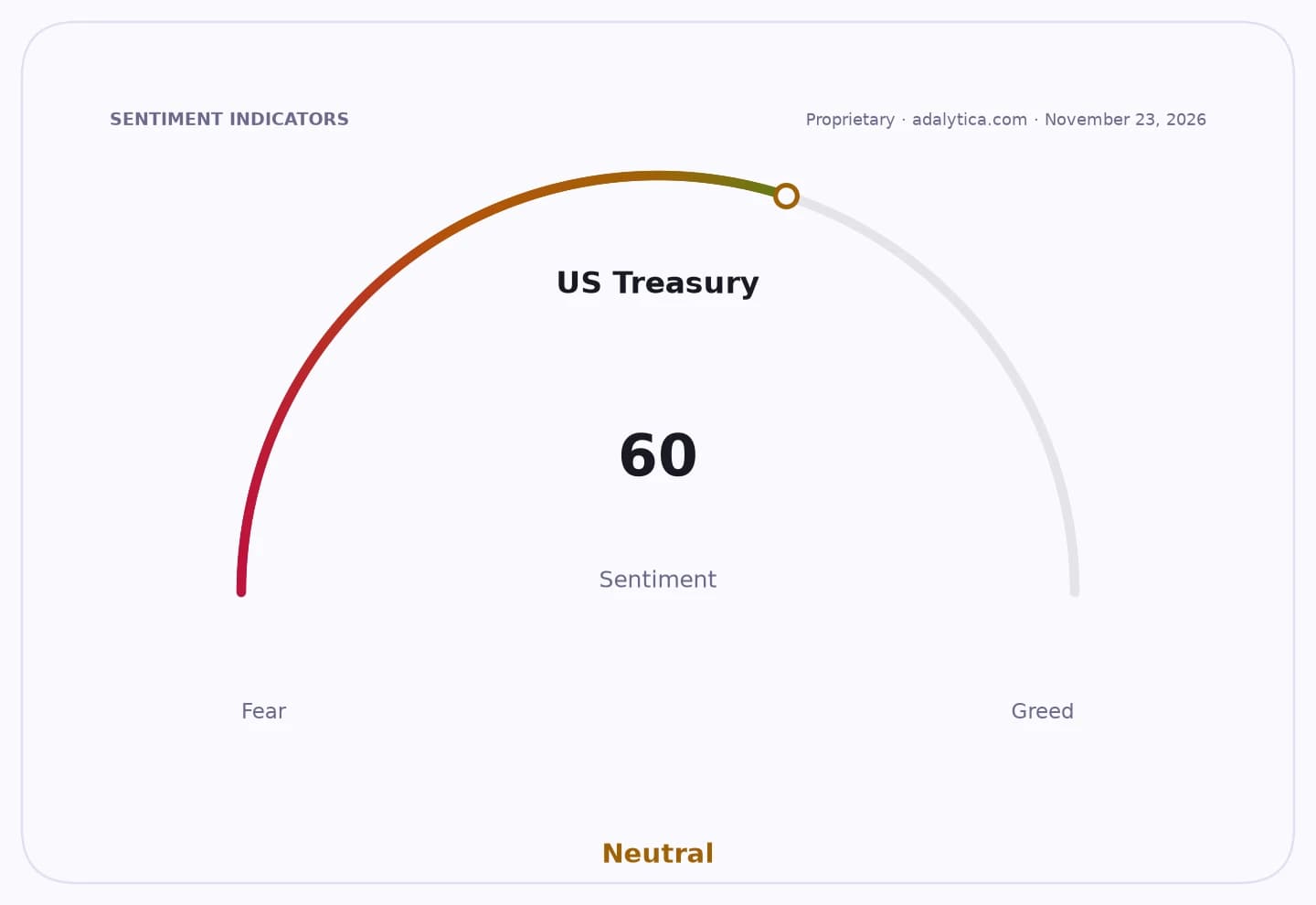
Sentiment Indicators
US Treasury
According to market commentary cited by CalculatedRisk, the move was driven by October CPI data that came in above expectations and by hawkish remarks from several FOMC members. Over the same week, the gap between current-coupon MBS and Treasurys widened by 9 to 11 basis points, leaving spreads near their highs for the year after a prior week’s narrowing was reversed.
The rise comes after current-coupon MBS yields had fallen to 5.93% on Nov. 6, the lowest since Sept. 9, underscoring how quickly rate expectations are being repriced. That swing is also consistent with broader pressure in fixed income, where Treasury yields have climbed and investors have been forced to reassess how much easing the Fed can deliver.
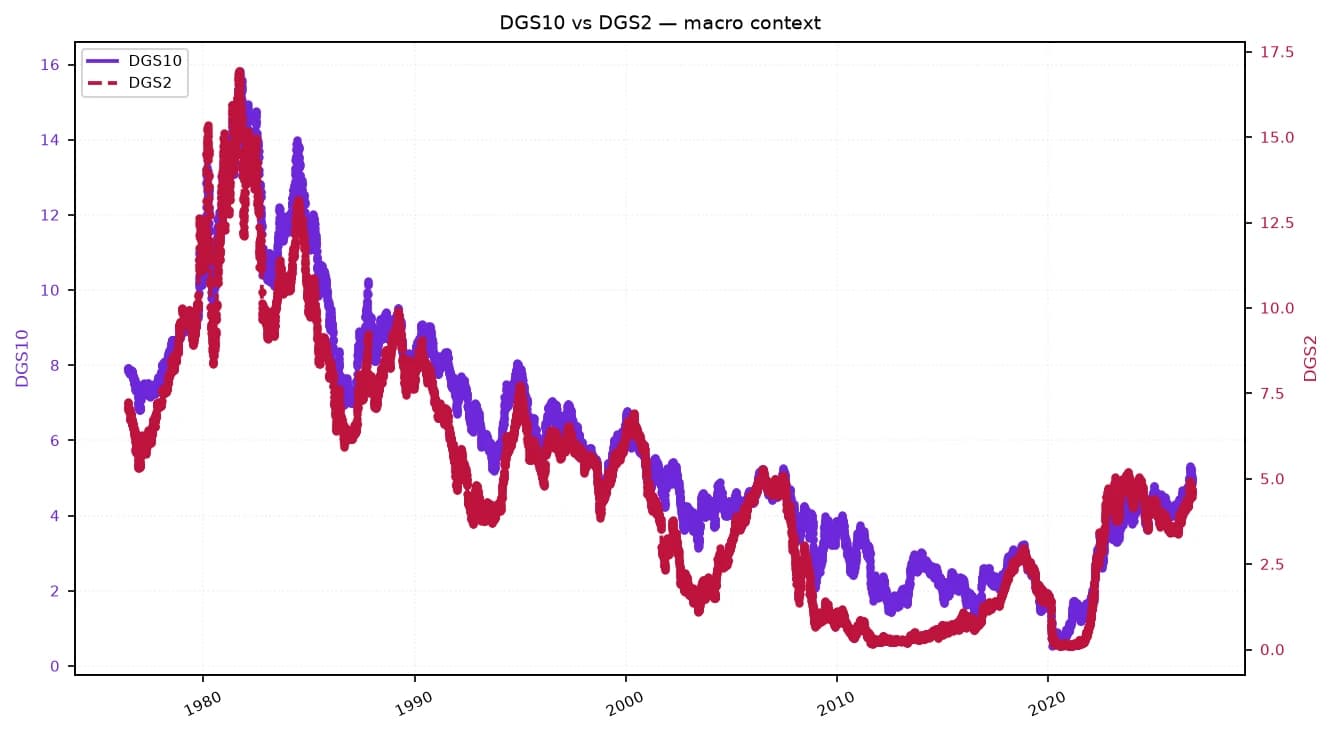
DGS10 vs DGS2 — macro contextadalytica.com
Explore this data interactively — full history, time series and cross-market comparisons.
Market Expectations
For mortgage lenders, the spread widening is a double hit: funding costs rise while application demand can weaken if mortgage rates follow MBS higher. Banks with large mortgage operations, including Wells Fargo and Bank of America, have already flagged sensitivity to mortgage banking activity in recent filings, while nonbank players such as Rocket and Pennymac face the same mark-to-market and pipeline-hedging pressure.
The trade also matters for bond investors. Exchange-traded funds tracking mortgage debt, such as the iShares MBS ETF and broader core bond funds, typically take direction from the same spread dynamics, and the latest move suggests the market is demanding more compensation to own agency MBS risk.
With inflation still running hot enough to unsettle rate-cut bets and Fed officials sounding less willing to ease quickly, investors will be watching the next round of economic data and central bank commentary for whether MBS yields and spreads keep grinding higher.
| Entity | Gains | Losses |
|---|---|---|
| Treasury buyers | ▲Higher yields | ▼Price declines |
| MBS investors | ▲Higher carry on new bonds | ▼Mark-to-market losses |
| Mortgage lenders | ▲Wider hedging opportunities | ▼Lower origination volumes |
| Homebuyers/refinancers | ▲— | ▼Higher mortgage rates |