Gitta Connemann’s transfer from the Economics Ministry to Germany’s new Digital Ministry signals that Friedrich Merz is putting political weight behind the government’s digital overhaul at a moment when growth remains fragile and the Mittelstand is still looking for faster regulatory relief.
Merz Signals Faster Germany Digital Reform
The move matters economically because Germany’s small and medium-sized companies account for the bulk of employment and a large share of industrial output, yet they remain weighed down by bureaucracy, slow digitization and weak productivity. With unemployment at 4.2% and GDP forecast to rise just 1.54% in the current quarter, Merz is trying to use personnel changes to accelerate reforms rather than wait for a broader economic rebound.
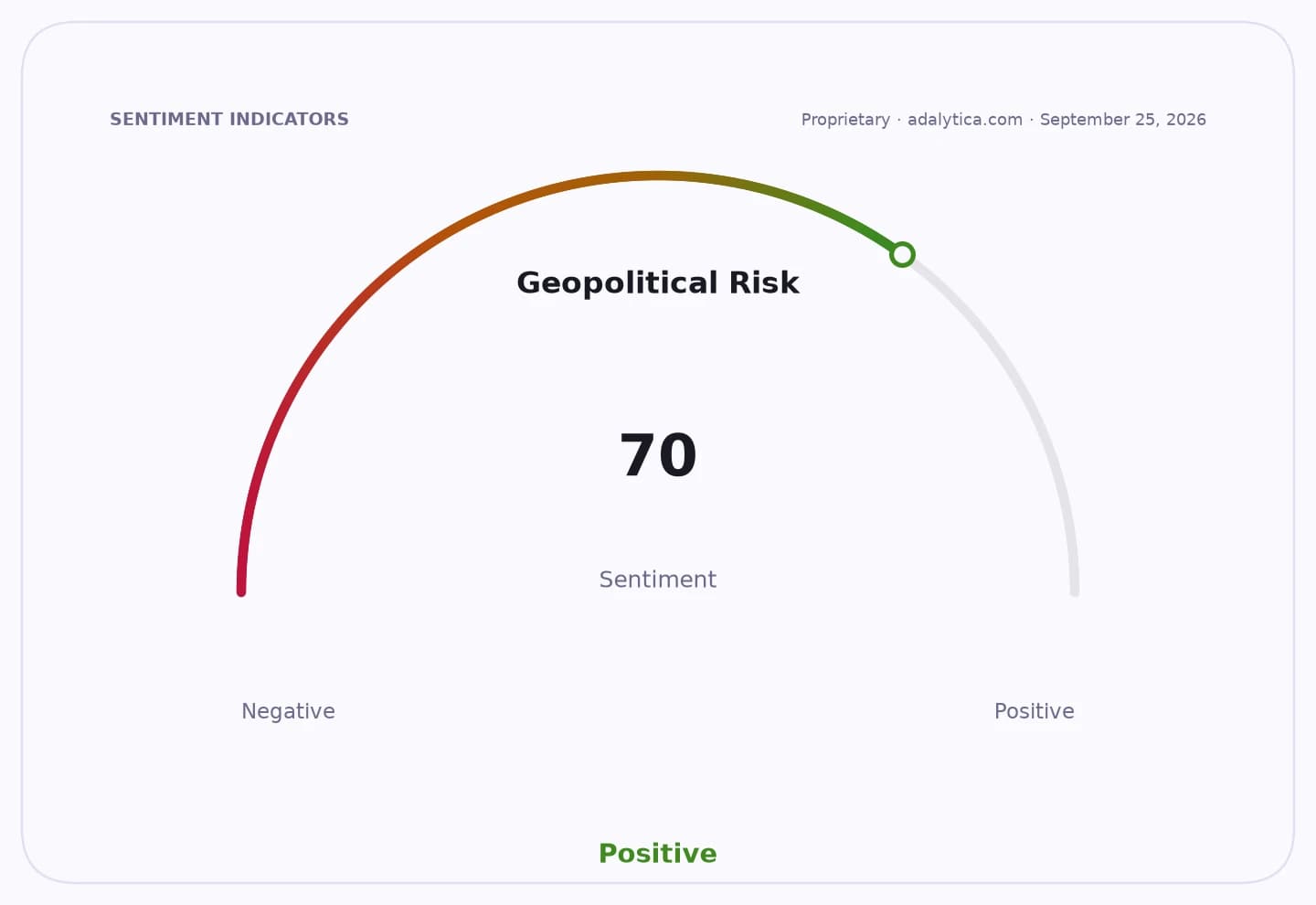
Sentiment IndicatorsⓘProprietary · adalytica.com · July 27, 2026
This is a snapshot — live sentiment, awareness and momentum for 130+ markets update continuously in the dashboard.Open AlphaPulse
Connemann has been one of the CDU’s most visible advocates for the Mittelstand, and shifting her to the Digital Ministry suggests the chancellery wants the sector’s concerns linked more directly to broadband, cloud adoption, data policy and administrative simplification. Her replacement by a CDU politician from Patrick Schnieder’s circle also shows Merz is tightening control over cabinet balance while preserving party discipline.
For investors, the signal is that Germany may be preparing a more business-friendly policy mix for domestic service providers, industrial suppliers and technology contractors that benefit from faster public-sector digitization. That could support sentiment around software, telecoms and infrastructure names exposed to federal procurement and digital-services spending.
The reshuffle also comes as Merz weighs the broader stability of his government after Jens Spahn’s resignation, adding a political-management angle to what is otherwise a policy-driven move. Any follow-up appointments will be watched for clues on whether Berlin is prioritizing competitiveness, fiscal caution or coalition management as growth stays modest.
| Entity | Gains | Losses |
|---|---|---|
| Digital Ministry | ▲stronger political profile | ▼added pressure to deliver fast reforms |
| Mittelstand / SMEs | ▲more direct representation | ▼risk of slower implementation if reshuffle drags |
| CDU leadership | ▲tighter cabinet control | ▼exposes internal balancing act |
| German business lobby | ▲hope for deregulation and digitization | ▼continued uncertainty until policy details emerge |