Social media is becoming one of the easiest raw materials for AI-driven scams, turning ordinary public posts into a tool for impersonation, fraud and account abuse that could hit platforms’ trust, advertising quality and long-term monetization.
Meta, Alphabet, Snap Face AI Scam Risks
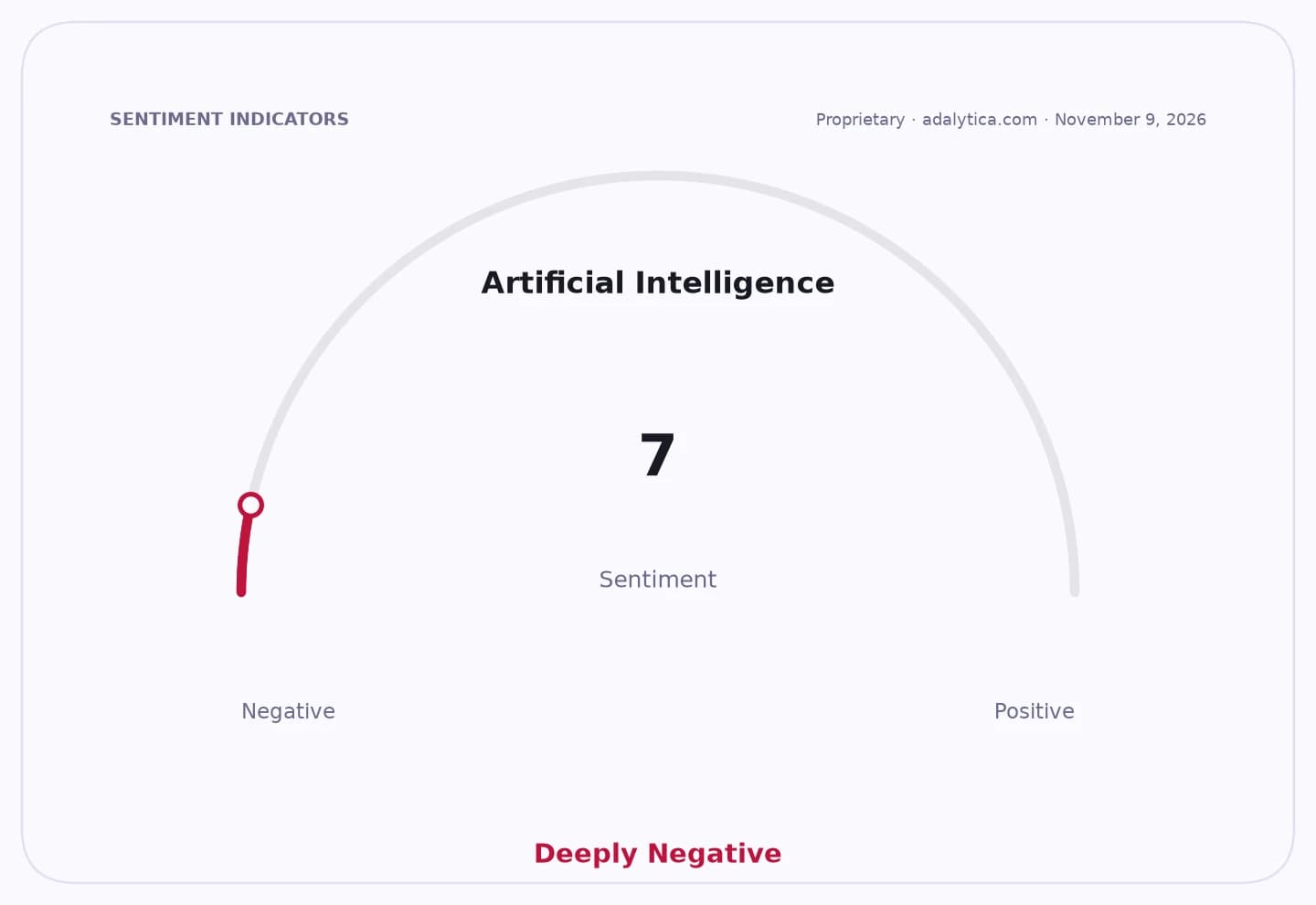
Artificial Intelligence
That matters because the economics of the large consumer internet platforms depend on users feeling safe enough to share, click and buy, and advertisers paying for reach that is not polluted by fake identities or manipulated content. As generative AI lowers the cost of producing convincing messages, images and voice clones, the risk is shifting from isolated fraud cases to a scalable abuse problem that can spread across Meta’s Facebook and Instagram, Snap’s messaging and creator ecosystem, and Google’s broader ad and identity stack.
Sentiment Indicators
The market has started to price that tension unevenly. Meta shares have slid to $610.15 from a September peak above $777, while the stock is now well below its 50-day moving average of $674.77 and its 200-day average of $631.15, with a relative strength index of 23.9 suggesting the shares are heavily oversold. Google parent Alphabet has fared worse, falling to $284.78 from the low $300s and sitting below both its 50-day and 200-day moving averages. Snap, meanwhile, has dropped to $4.96, near the lower end of its recent range and below both of its moving averages, underscoring investor concern that smaller platforms may be more exposed to abuse than they are able to police.
The issue is not just reputational. Meta’s latest 10-Q warned that failures to prevent breaches or improper access to user data, content or payment information could lead to losses, and Snap said in its filing that attacks may be hard to detect and can be used to spam, abuse users, access personal data or carry out fraudulent advertising. Google’s filing similarly pointed to security breaches and data disclosure as risks to reputation and the ability to attract users and customers. Those disclosures reflect a common pressure point: the more public content users post, the easier it becomes for AI systems — legitimate or malicious — to harvest names, faces, writing style and social graphs for targeted scams.
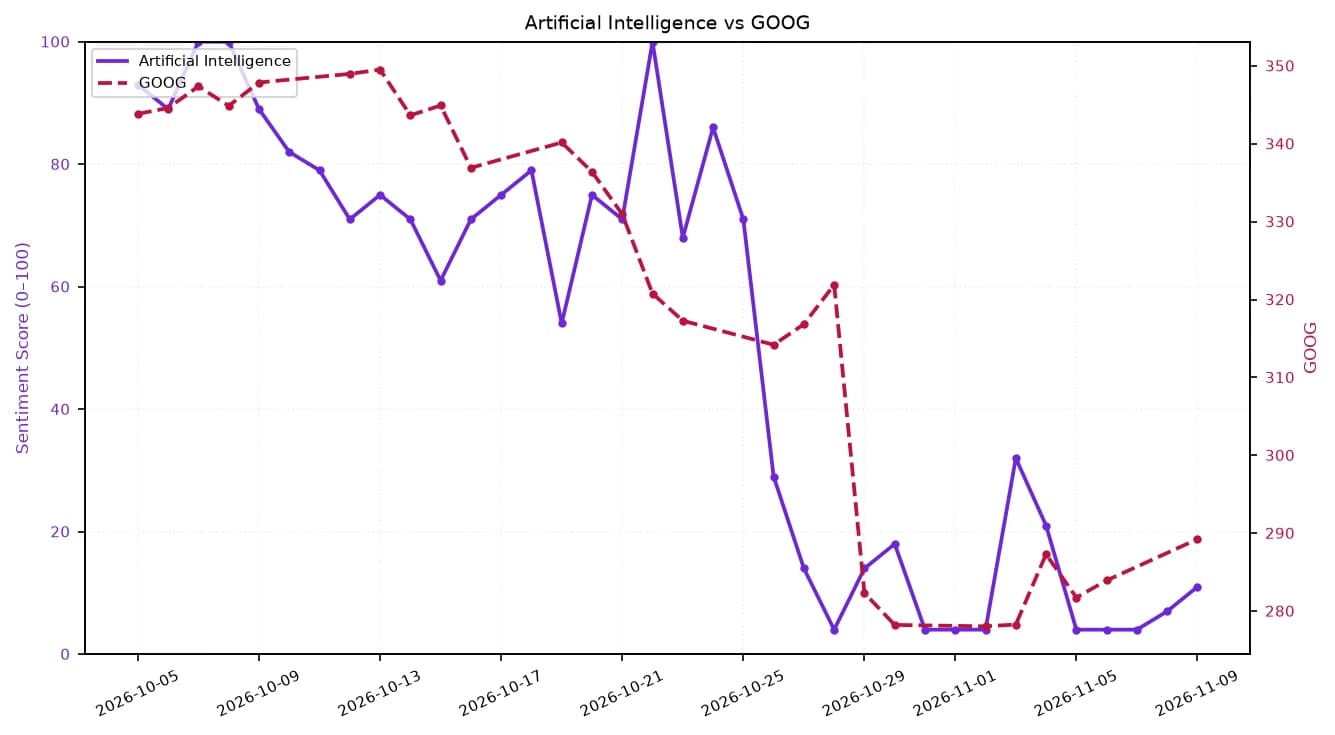
Artificial Intelligence — 30-day sentimentadalytica.com
Explore this data interactively — full history, time series and cross-market comparisons.
For investors, the near-term read-through is mixed. The bull case is that the biggest platforms have the resources to harden identity checks, deploy AI moderation and monetize safer environments through better trust and safety tools. That could even become a competitive advantage if smaller rivals cannot keep pace. The bear case is that abuse escalates faster than defenses, forcing higher moderation spending, more friction for advertisers and users, and a slower path to AI-led revenue growth as regulators and consumers demand stronger safeguards.
Adalytica’s AI sentiment gauge has collapsed to Extreme Fear, with sentiment and awareness both at 4 and down sharply over the past month, suggesting the market is increasingly focused on the downside of AI adoption rather than its promise. By contrast, Microsoft’s earnings sentiment remains in Greed territory, highlighting how investors still reward AI infrastructure and enterprise software more readily than consumer-facing AI risk exposure.
The next catalyst will be whether platforms can show measurable progress on fraud prevention without denting engagement. If they can, the concern becomes a manageable cost of doing business. If they cannot, AI scams could evolve from a policy headache into a valuation problem for the social media sector.
| Entity | Gains | Losses |
|---|---|---|
| Meta | ▲Safer ad ecosystem if controls work | ▼User trust if scams spread |
| Snap | ▲Stronger anti-abuse tools | ▼Smaller scale to absorb fraud costs |
| ▲Better identity and ad verification demand | ▼Brand and platform risk from abuse | |
| Scammers | ▲Lower-cost AI impersonation tactics | ▼Stronger detection and takedowns |