Chile’s antitrust court has fined Metrogas US$3.6 million over what it called abusive charges to Generadora Metropolitana, a ruling that could reshape how natural-gas transport contracts are priced and enforced across the power sector.
Metrogas Fined $3.6M by Chile Antitrust Court

The decision matters beyond the two companies involved because it addresses a core cost input for electricity generation: the price of moving gas through regulated or quasi-regulated infrastructure. If the Supreme Court upholds the finding, it would strengthen the case for customers challenging legacy pricing arrangements and could pressure transport and distribution groups to revisit long-running contracts. If it is overturned, it would reinforce the bargaining power of incumbent gas suppliers and narrow the scope for retrospective tariff claims.
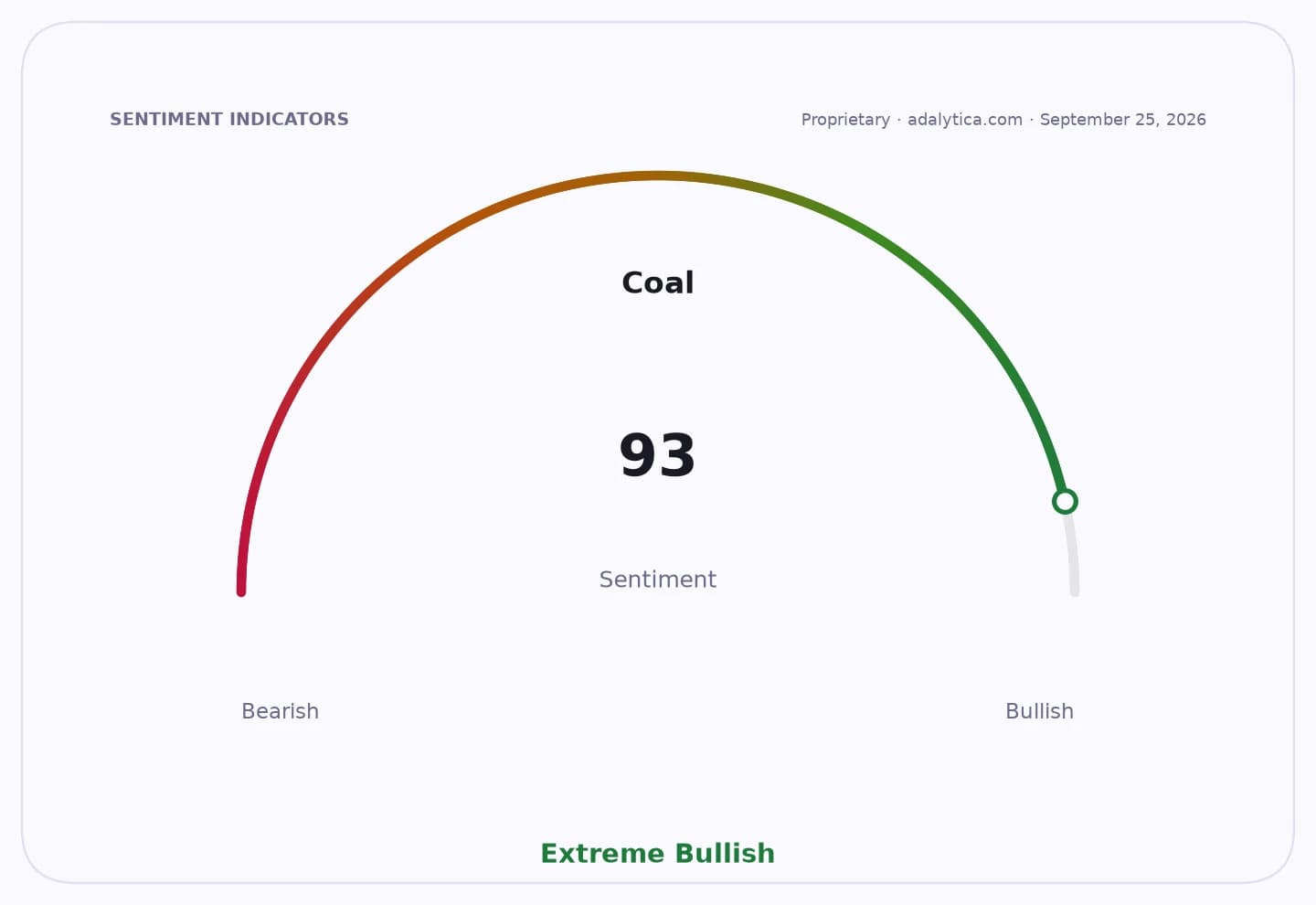
Sentiment IndicatorsⓘProprietary · adalytica.com · August 13, 2026
This is a snapshot — live sentiment, awareness and momentum for 130+ markets update continuously in the dashboard.Open AlphaPulse

Generadora Metropolitana argued it was charged roughly 12 times the rate it had paid since 1997 for gas transport, a gap that goes to the heart of infrastructure economics in Chile’s energy market. Transport fees sit upstream of generation margins, so sharp increases can ripple through power costs, affect dispatch decisions and alter the competitiveness of gas-fired plants versus other sources. The dispute also highlights the tension between long-term commercial contracts and abuse-of-dominance claims, a fault line that can create legal risk well after pricing deals are signed.
For investors, the case is a reminder that regulatory and judicial outcomes can be as material as fuel prices themselves for utilities and energy infrastructure owners. A confirmed fine would raise the prospect of wider litigation, lower earnings visibility and possible reserve-building if other counterparties seek similar relief. For generators, meanwhile, a favorable final ruling could improve cost recovery and strengthen negotiations over transport and supply terms.
The market backdrop is especially sensitive because natural-gas pricing in broader markets has been volatile, with European benchmark prices recently rising on storage and supply concerns. While Chile’s case is distinct, it underscores the same investor theme: when gas becomes tighter or more strategic, pricing disputes move from contract law into balance-sheet risk.
Metrogas now faces the legal and reputational cost of defending a business model that depends on durable infrastructure pricing, while Generadora Metropolitana and other users will be watching whether the Supreme Court opens the door to tougher scrutiny of legacy tariff structures.
| Entity | Gains | Losses |
|---|---|---|
| Generadora Metropolitana | ▲Potential tariff relief | ▼Legal uncertainty |
| Metrogas | ▲Contract defense if overturned | ▼Fine and scrutiny |
| Chile power consumers | ▲Lower pass-through costs | ▼Delayed resolution |
| Other gas users | ▲Stronger bargaining leverage | ▼Exposure to protracted litigation |