Mexico’s retail sector posted a modest 3.4% annual increase in July, but the bigger story is that weaker household demand is pushing chains to lean harder on digital and omnichannel sales to protect traffic and margins.
Mexico retail sales rise 3.4% in July

That matters because retail is one of the clearest readouts on Mexican consumer demand, and the latest gain points to a slowing but still resilient sector rather than a broad downturn. The rise was led by specialized retailers, suggesting shoppers are still spending selectively even as discretionary demand loses momentum.
Sentiment IndicatorsⓘProprietary · adalytica.com · August 18, 2026
This is a snapshot — live sentiment, awareness and momentum for 130+ markets update continuously in the dashboard.Open AlphaPulse
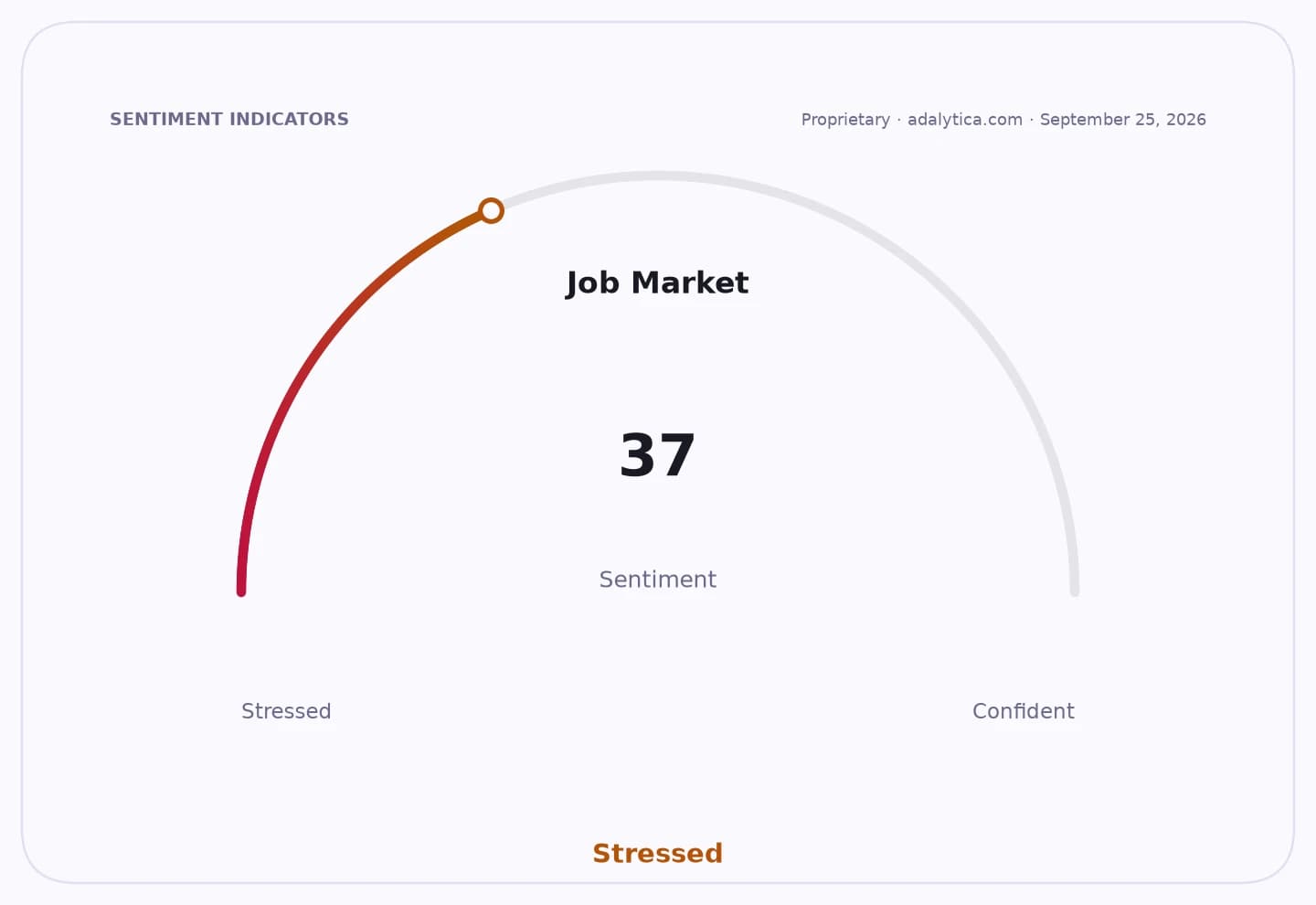
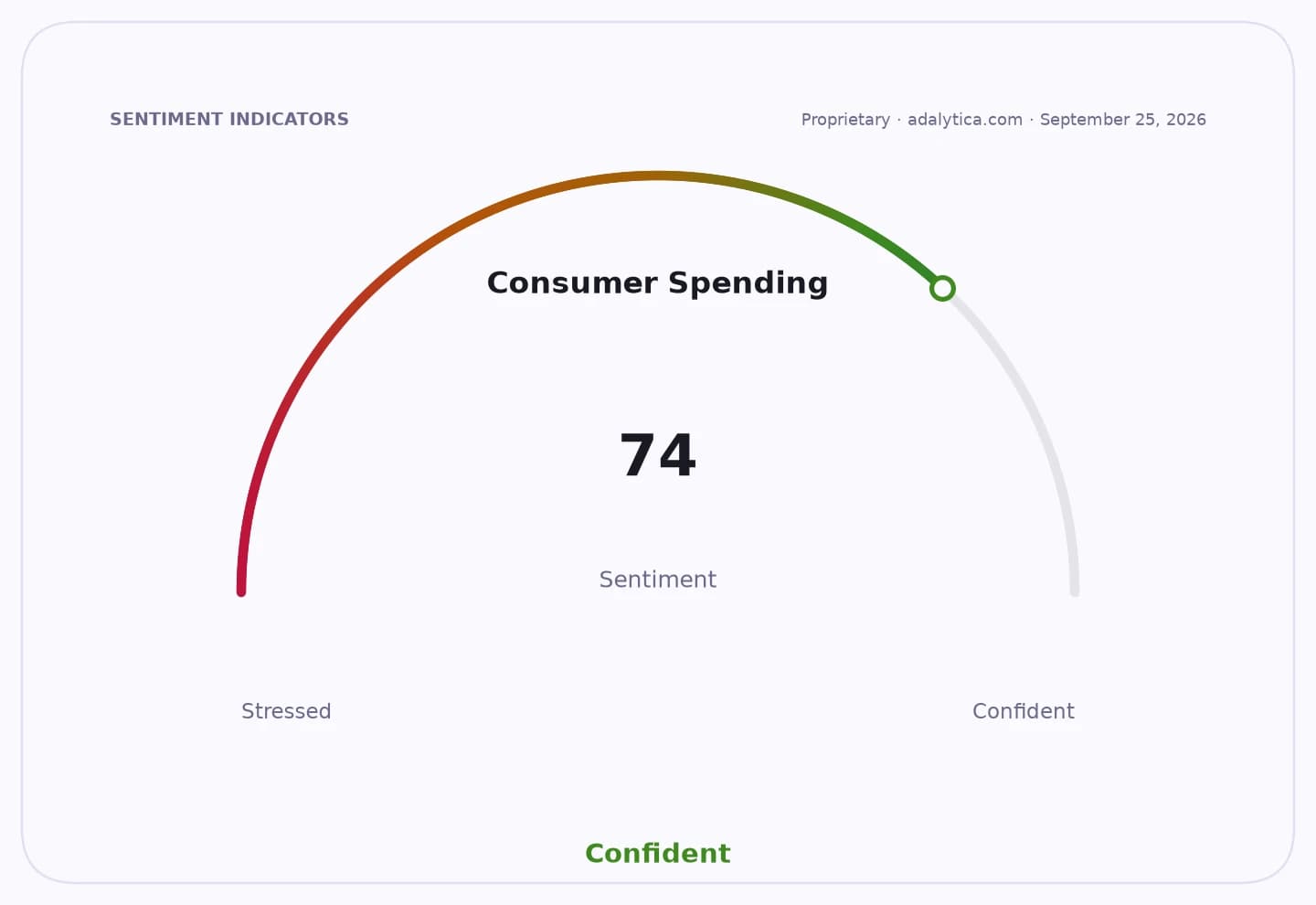
The market backdrop is turning less supportive. Adalytica’s retail sales sentiment gauge sits at 14, in “extreme fear,” while consumer spending sentiment has fallen to 36 from 75 the prior day. Consumer confidence sentiment is also only 32, underscoring caution around the near-term outlook for household consumption.
Those signals fit with the broader macro picture. Mexico’s retail sales series has been volatile but remains above last year’s levels, and the latest reading arrives as firms face slower consumption, tighter budget discipline and a more cautious shopper. For retailers, that typically means more promotions, thinner margins and heavier investment in delivery, app sales and store pickup to hold share.
Investors will watch whether the July gain can carry into August and beyond, especially for companies with exposure to Mexico’s mass-market consumer, including Walmart and Mercado Libre. A sustained shift toward omnichannel sales could favor the biggest platforms and operators with logistics scale, while smaller stores may struggle to keep pace.
The next test is whether consumers keep spending into the back half of the year or whether softer confidence turns July’s gain into a temporary bounce.
| Entity | Gains | Losses |
|---|---|---|
| Specialized retailers | ▲Higher July sales | ▼Wider margin pressure |
| Omnichannel leaders | ▲More online traffic | ▼Smaller physical chains |
| Walmart Mexico | ▲Scale advantage | ▼Slower discretionary demand |
| Consumers | ▲More promotions | ▼Tighter household budgets |