Mortgage insurance is still doing what it’s supposed to do — making home loans possible for buyers who don’t have a 20% down payment — but the economics around it are getting more complicated as higher rates, softer housing sentiment and cancellation rules reshape who pays, who benefits and who gets squeezed.
MGIC Q3 New Insurance Written Rises to $17.1B

That matters because mortgage insurance sits at the intersection of housing affordability and lender risk. When rates stay elevated, borrowers carry bigger monthly payments for longer, which can slow refinancing, delay equity buildup and keep mortgage insurance on the books. At the same time, the rules can cut both ways: some policies can be canceled after purchase, while others continue until the borrower reaches the loan-to-value thresholds required under the Homeowners Protection Act. For homeowners, that means the policy they bought at closing is not always a permanent cost. For insurers, it means premium revenue can disappear faster than expected if home prices rise or borrowers pay down principal quickly.
The latest company filings show that this is not a niche issue. MGIC Investment, one of the largest U.S. mortgage insurers, said new insurance written reached $17.1 billion in the third quarter, up from $16.5 billion a year earlier, and $49.3 billion for the first nine months, compared with $43.1 billion a year ago. That points to continued demand for mortgage coverage even in a tougher housing market. But the same filing also underscores the pressure points: mortgage insurance can be canceled when a borrower’s equity improves, and single-premium policies can trigger immediate revenue recognition if canceled. In other words, the business is healthy, but not friction-free.
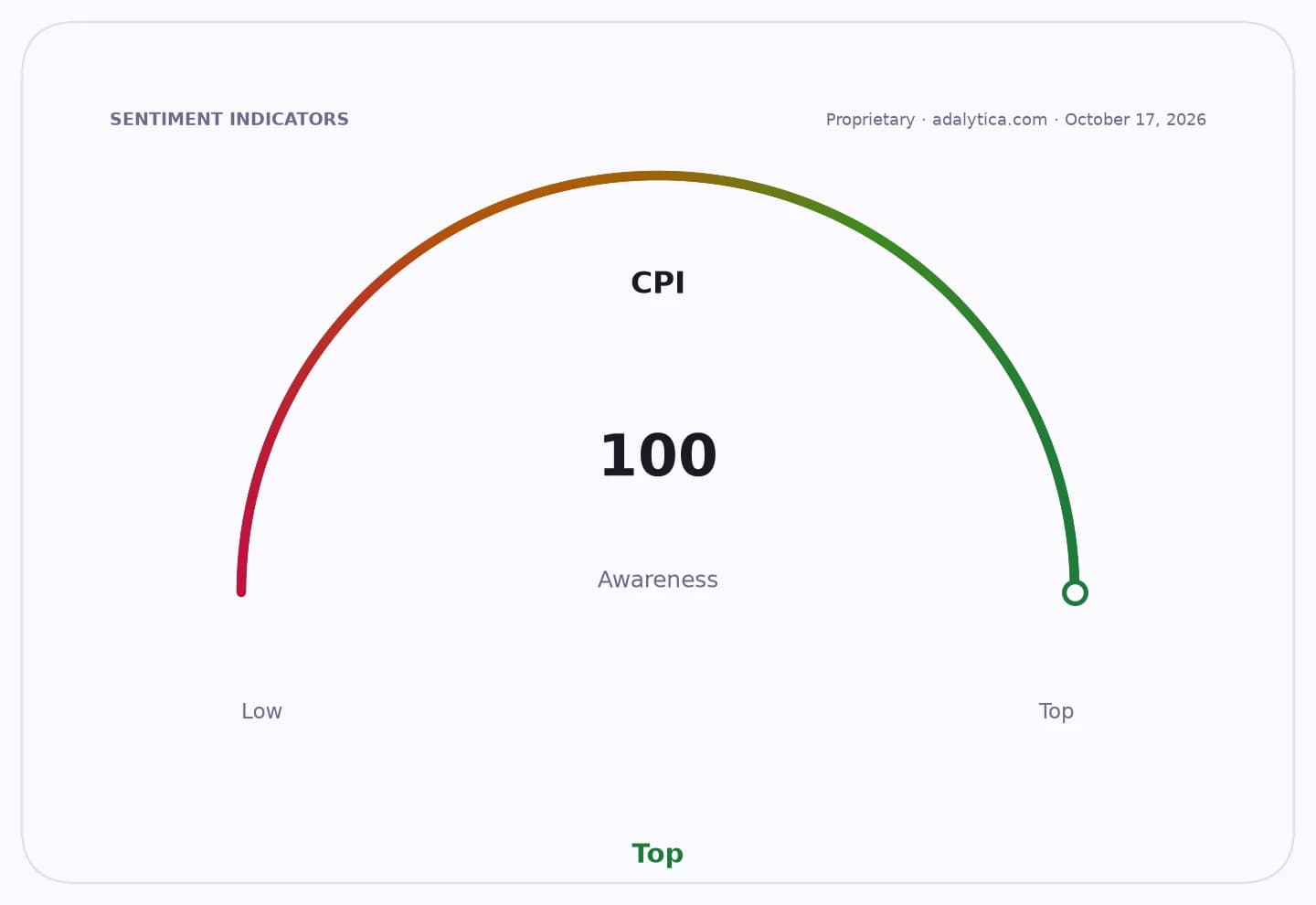
For investors, that makes the group worth watching rather than chasing. Mortgage insurers can look attractive because they generate recurring premiums and tend to benefit when home lending remains active. Yet their earnings are tied to housing turnover, delinquency trends, capital rules and the speed at which borrowers build equity. The broader housing backdrop is not exactly reassuring. Adalytica’s Housing and Rent Inflation Sentiment snapshot is still neutral, but awareness remains in “extreme fear,” a sign that the market remains sensitive to affordability stress and rent pressure even if sentiment has stabilized a bit.
Reinsurance and capital management also matter here. Mortgage insurers lean on reinsurance to manage risk and protect capital, but those arrangements can change with market conditions and GSE policies. That leaves the sector exposed to shifts in government-sponsored enterprise requirements, loan performance and borrower behavior. If home prices keep rising and rates eventually ease, cancellation activity could increase, trimming premium streams. If rates stay high for longer, persistency may improve, but credit stress and affordability pressure could offset the benefit.
The long-term takeaway is straightforward: mortgage insurance is not going away, but investors should treat it as a cyclical financial-services business tied to housing affordability, not as a pure defensive play. For patient investors, the opportunity is in companies that can write new business, manage cancellations and maintain capital discipline through the cycle. That makes the sector worth watching closely, especially for buy-and-hold portfolios that can absorb housing volatility and wait for the next turn in rates.
| Entity | Gains | Losses |
|---|---|---|
| Homebuyers with lower down payments | ▲Access to mortgages | ▼Extra insurance cost |
| Mortgage insurers like MTG | ▲Premium growth | ▼Faster policy cancellations |
| Lenders and GSEs | ▲Lower credit risk | ▼More dependence on borrower equity |
| Borrowers in a high-rate market | ▲Possible future cancellation rights | ▼Slower equity buildup |