Argentina’s President Javier Milei has effectively started campaigning on a promise that would reshape one of the country’s biggest export sectors: cutting soybean export taxes to 15% by December 2028. The schedule, laid out without a formal candidacy announcement, signals he expects to stay in power beyond his current term and gives farmers, traders and agribusinesses a longer runway for policy planning.
Milei Signals Long-Term Soy Tax Cuts
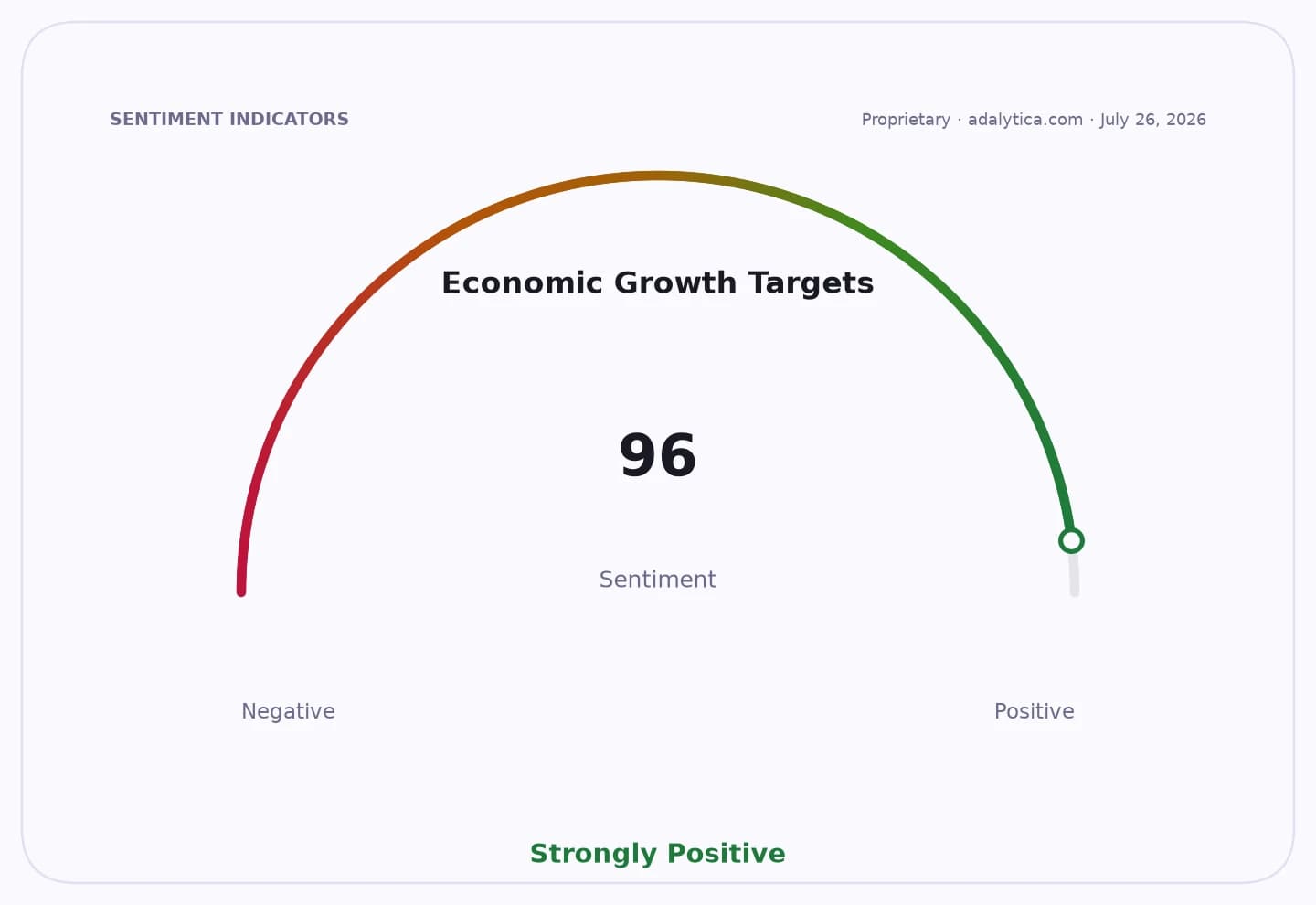
The proposal matters because soybean duties are one of the clearest levers on Argentina’s hard-currency earnings. Lowering them would improve farm margins, encourage more planting and deliveries, and potentially lift export volumes at a time when the country badly needs dollars to stabilize the peso and rebuild reserves.
Sentiment IndicatorsⓘProprietary · adalytica.com · July 26, 2026
This is a snapshot — live sentiment, awareness and momentum for 130+ markets update continuously in the dashboard.Open AlphaPulse
The market is already reacting to the policy backdrop. Shares in the United States-listed soybean ETF SOYB have climbed to 26.28 on July 24 from 24.09 on June 24, while the closely watched WEAT wheat fund and CORN corn fund have also firmed, reflecting broader optimism around South American and global grain supply dynamics. SOYB is trading well above its 50-day moving average, and its RSI readings remain elevated, underscoring momentum rather than bargain-hunting.
For Argentina, even a gradual cut would be a significant shift from the country’s long-standing reliance on export levies to fund the state. Buenos Aires has used the taxes as a fiscal pressure valve for years, but that approach has also discouraged investment and pushed output into competitors such as Brazil and the US. Milei’s message is aimed squarely at reversing that incentive structure and winning support from farmers ahead of a political fight he has not yet formally entered.
The timing also matters for global commodity markets. Oil prices are hovering around $85 a barrel, while US dollar trade signals remain under pressure, conditions that can amplify moves in agricultural exports and currency-sensitive commodities. Argentina is one of the world’s key soybean suppliers, so any sustained tax reduction could tighten export competition, affect crushing margins and shift trade flows for soybeans, soybean meal and soybean oil.
For investors, the biggest takeaway is that Milei is tying economic policy to a longer political horizon. If he can extend his reform agenda through 2028, agribusiness names, grain traders and related shipping and logistics firms could see a more stable policy environment, even if the path to lower taxes is gradual and politically contentious. The next catalyst is whether Milei turns the timeline into formal legislation — and whether farmers believe the promise enough to alter planting and hedging decisions now.
| Entity | Gains | Losses |
|---|---|---|
| Argentine soybean farmers | ▲Higher margins, stronger planting incentive | ▼Export tax burden remains until cuts arrive |
| Agribusiness traders/exporters | ▲More volume, better cash flow visibility | ▼Policy uncertainty until formal approval |
| Argentina government | ▲Potentially more exports and dollars | ▼Near-term tax revenue from soybeans |
| Rival exporters like Brazil and the US | ▲Less immediate competitive pressure | ▼Argentina gains competitiveness over time |




