A new low-carbon mobile battery option entering the Irish market is aimed at construction, utility and events sites, giving contractors and operators a cleaner alternative to diesel generators as Europe pushes lower-emissions temporary power.
Mobile batteries expand job-site diesel replacement
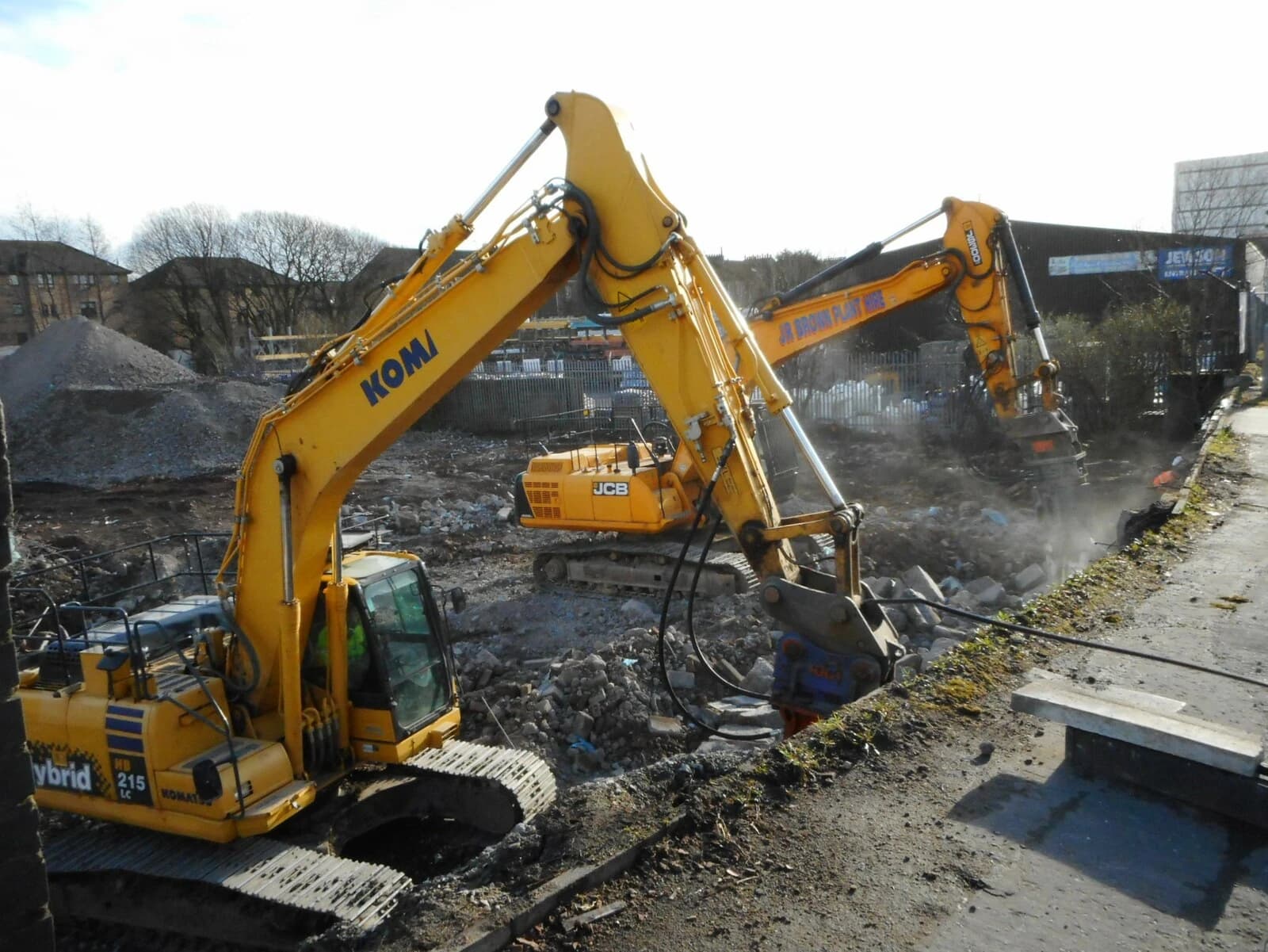
The move matters because mobile power is one of the harder-to-abate corners of the energy transition: sites still rely heavily on fuel-burning generators for remote or short-term electricity needs. A battery-based substitute can cut emissions, reduce noise and lower exposure to volatile fuel prices, while helping project owners meet tightening environmental standards and procurement requirements.
Sentiment IndicatorsⓘProprietary · adalytica.com · July 18, 2026
This is a snapshot — live sentiment, awareness and momentum for 130+ markets update continuously in the dashboard.Open AlphaPulse
That economic case is getting stronger as oil prices remain elevated and long-dated borrowing costs stay well above the ultra-low levels that helped finance heavy industrial capex a few years ago. Brent and WTI have both been trading near the high-$70s a barrel, while the U.S. 10-year yield is around 4.56%, a backdrop that keeps operating costs and financing costs under pressure for equipment-heavy industries.
For investors, the launch points to a broader market opening for portable energy storage, a niche that sits between construction equipment, grid services and clean-tech infrastructure. Caterpillar, whose shares have weakened to $880.28 from a late-June high above $1,060, remains a bellwether for job-site power and heavy equipment demand, while battery and storage names continue to depend on adoption beyond EVs to justify growth valuations.
The timing also fits a wider industrial cycle that remains positive but uneven. U.S. industrial production is forecast at 102.94 for July, up 0.3%, suggesting steady underlying demand, even as capital spending stays selective and buyers favor assets that can cut fuel use and emissions simultaneously.
In Ireland, where construction and utility work often depends on temporary power in constrained or off-grid locations, a lower-carbon mobile battery can be sold not just as an environmental upgrade but as a cost-control tool. If uptake is strong, the model could extend beyond Irish sites into other European markets where diesel displacement is becoming a commercial requirement rather than a voluntary sustainability choice.
The key near-term test is whether the new offering can win repeat use in live projects and demonstrate lower total operating cost versus diesel in a market still sensitive to power reliability, upfront pricing and battery runtime.
| Entity | Gains | Losses |
|---|---|---|
| Construction and utility operators | ▲Lower emissions, quieter sites | ▼Diesel fuel dependence |
| Battery storage suppliers | ▲New market demand | ▼Traditional generator sales |
| Caterpillar and generator makers | ▲Broader energy-transition exposure | ▼Some job-site power share |
| Ireland clean-power adopters | ▲Easier compliance, lower fuel risk | ▼Higher upfront switching costs |




