Moldova’s diesel shortage is no longer just a local nuisance for drivers — it is becoming an economic problem for farmers, transporters and policymakers across a region already strained by tight refined-fuel supplies.
Moldova Diesel Shortage Tightens Europe Fuel Markets
When diesel runs short, harvests slow, goods move less efficiently and food prices can rise. That makes the shortage economically important well beyond Moldova’s gas stations. Diesel is the workhorse fuel for agriculture and freight, so even brief disruptions can ripple through rural economies, squeeze margins and force governments to step in with emergency measures.
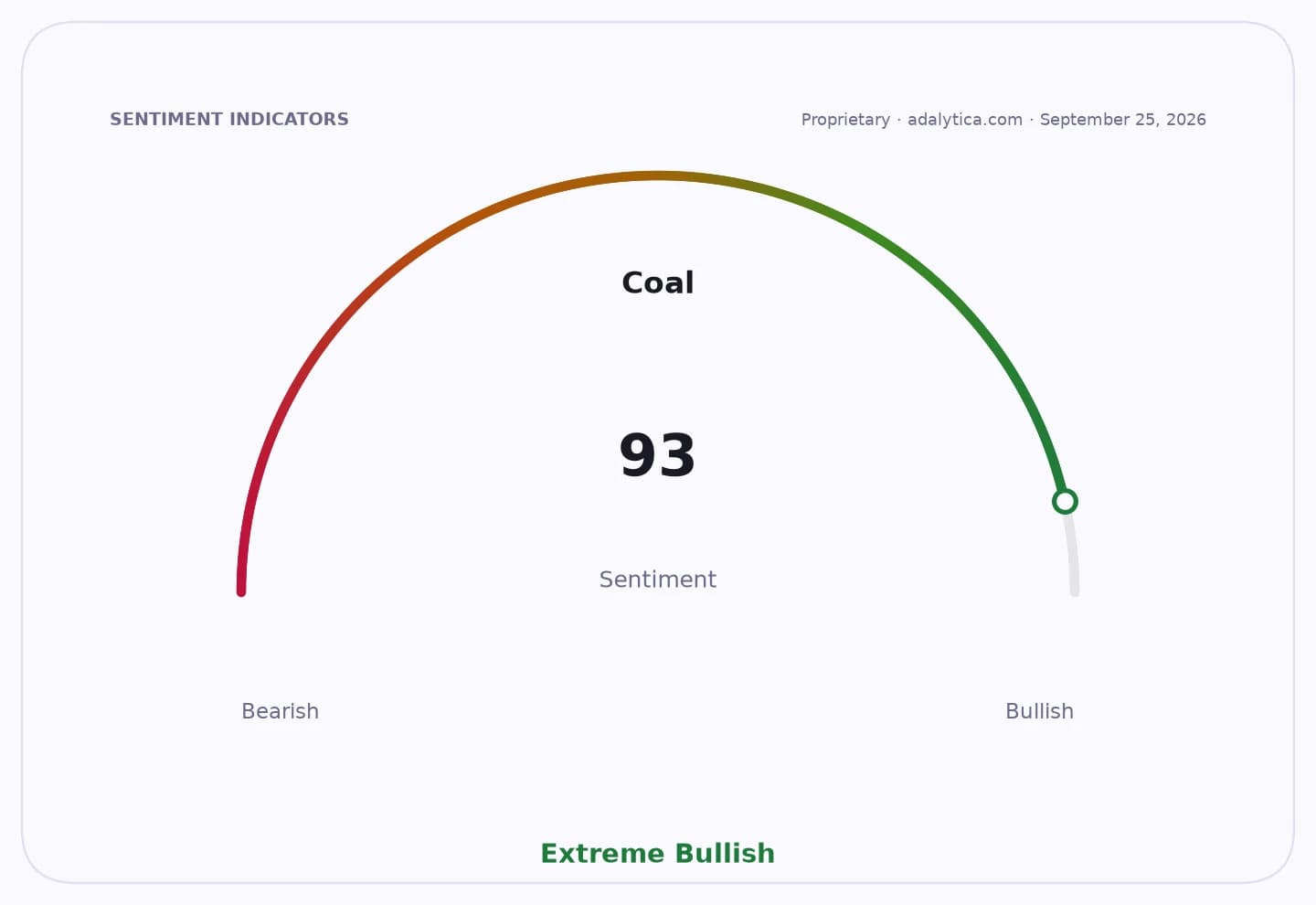
Sentiment IndicatorsⓘProprietary · adalytica.com · July 28, 2026
This is a snapshot — live sentiment, awareness and momentum for 130+ markets update continuously in the dashboard.Open AlphaPulse
The pressure is building at a time when global energy conditions remain uncomfortable. U.S. benchmark crude has climbed back to roughly $85 a barrel, while the 10-year Treasury yield sits near 4.7%, a reminder that inflation and financing costs are still not benign. On top of that, sentiment on oil trades has turned to “Extreme Fear” in Adalytica.com’s USO snapshot, even as awareness remains elevated, a combination that often shows how quickly supply worries can overtake market complacency. For Europe, that means the diesel market can tighten even if crude itself is not in a full-blown shock.
For investors, the story cuts both ways. Tight diesel markets can support margins for refiners such as Marathon Petroleum, Exxon Mobil and Chevron, which have all benefited from stronger downstream pricing at various points this year. But the same squeeze is painful for farmers, truckers, consumers and import-dependent economies like Moldova, where higher fuel bills can quickly bleed into food inflation and weaker demand.
The shortage also underlines a broader structural issue: Europe is still vulnerable to disruptions in middle distillates, the refined products that include diesel. That vulnerability has been sharpened by geopolitical shocks, refinery outages, sanctions-related trade shifts and the difficulty of replacing lost supply quickly. In practical terms, that means governments may be pushed toward reserve releases, subsidies or other intervention if fuel lines and price spikes persist.
For long-term investors, the real lesson is not to chase the headline but to understand the cycle. Diesel scarcity can lift earnings for refiners in the near term, but it also flags a fragile energy system and a stubborn inflation backdrop that can weigh on the broader economy. The best approach is patience, diversification and a focus on companies with durable cash generation, because these supply shocks tend to fade slowly rather than suddenly. Moldova’s shortage is worth watching as a signal of how tight Europe’s fuel market remains.
| Entity | Gains | Losses |
|---|---|---|
| Refiners | ▲stronger diesel margins | ▼consumer anger and policy pressure |
| Farmers and truckers | ▲nothing immediate | ▼higher fuel costs and delays |
| Moldova government | ▲case for emergency action | ▼inflation and political risk |
| Consumers | ▲temporary relief if reserves released | ▼higher prices and shortages |