Energocom’s launch of tenders for natural gas for the 2026-2027 cold season is the market’s clearest reminder that energy security in Eastern Europe remains a live economic risk — and an investable theme. The move matters because winter supply planning is where government-backed buyers, traders and producers set the tone for pricing, storage demand and emergency infrastructure spending long before temperatures fall.
Moldova Gas Tender Highlights Winter Security Trade
For Moldova, the tender is more than routine procurement. It is an attempt to lock in supply ahead of peak heating demand in a region still defined by geopolitical fragility, volatile fuel markets and the ever-present risk of disruption. That matters economically because gas is not just a commodity input; it is the backbone of household heating, district energy and a meaningful share of industrial operating costs. When procurement is front-loaded into a competitive tender process, it signals that buyers are trying to de-risk winter exposure rather than chase spot prices later.
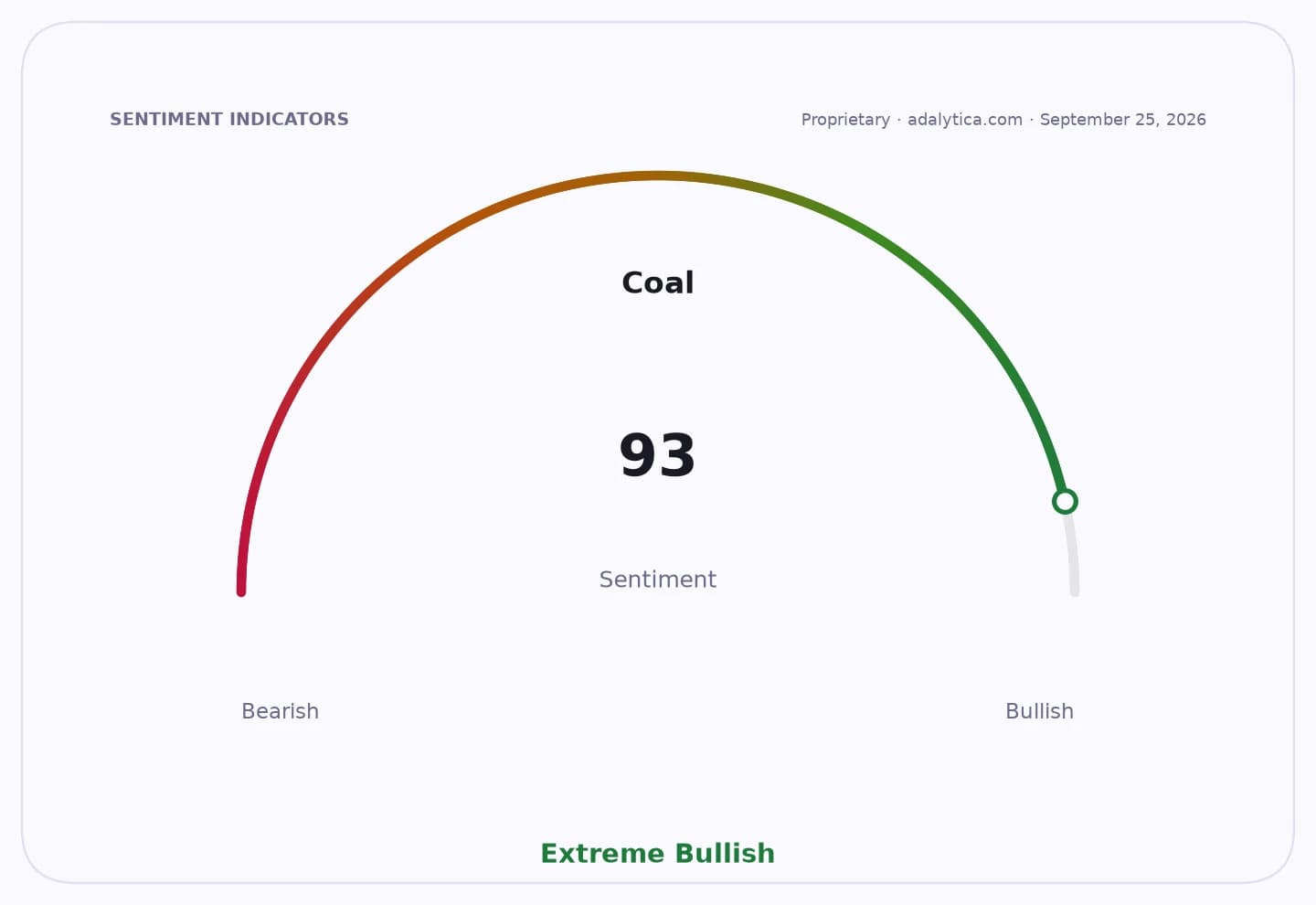
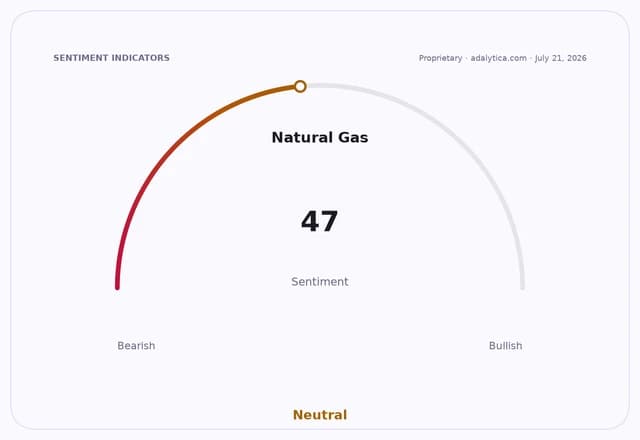
Sentiment IndicatorsⓘProprietary · adalytica.com · July 21, 2026
This is a snapshot — live sentiment, awareness and momentum for 130+ markets update continuously in the dashboard.Open AlphaPulse
The backdrop is a market that remains highly sensitive to supply shocks. WTI crude has rebounded toward the high-$70s a barrel, a reminder that the broader energy complex is not cheap and that fuel substitution costs can still bite if gas markets tighten. Industrial production is also still grinding higher, implying steady energy demand rather than a collapse that would relieve pricing pressure. In Europe, where gas storage and supply redundancy remain strategic priorities, any sovereign or utility buyer moving early into tenders can reinforce the whole chain of storage injection, transport and contracting.
Investors should read Energocom’s move as a sign that the winners in this cycle are not the loudest commodity bulls, but the infrastructure, trading and logistics players that monetize the need for reliability. That includes pipeline operators, storage providers, LNG-linked suppliers and regional gas traders with balance-sheet strength and access to flexible supply. The market underestimates how much value is created when governments and utilities are forced to buy resilience in advance: the premium shifts from low-cost gas to guaranteed gas.
Natural Gas — 30-day sentimentadalytica.com
Explore this data interactively — full history, time series and cross-market comparisons.Open AlphaPulse
The pricing tape suggests the trade is already setting up for volatility. UNG, the natural gas ETF, remains well below its 200-day moving average and deeply oversold on a conventional RSI basis, while BOIL has been whipsawed hard — a sign that speculative positioning is still fragile even as the fundamental need for winter supply planning grows. In other words, the market is not pricing in a smooth path; it is pricing in stress. That is exactly why procurement announcements like Energocom’s matter.
The broader narrative is straightforward: winter gas security is becoming a recurring policy and market catalyst, not a seasonal footnote. As more buyers rush to secure volumes early, the opportunity shifts toward the companies that can move gas, store gas, finance gas and bridge geopolitical risk. Our thesis is that the market continues to misprice that resilience premium. For investors, the cleanest way to play it is to stay focused on the picks-and-shovels names tied to gas transport, LNG logistics and storage capacity, while treating leveraged directional gas exposure as a trading vehicle rather than a long-term investment.
| Entity | Gains | Losses |
|---|---|---|
| Energocom / Moldova | ▲Supply security | ▼Spot-price exposure |
| Gas traders / suppliers | ▲Contracting power | ▼Margin pressure from competition |
| Pipeline and storage operators | ▲Higher utilization | ▼Idle-capacity risk |
| Leveraged gas ETFs / speculators | ▲Volatility trades | ▼Time decay, whipsaws |