Higher minimum pay under Montenegro’s planned “Euro model” could force law offices to hire fewer trainee lawyers, the Chamber of Advocates says, raising costs for small practices and threatening a pipeline of legal talent that feeds courts, government and business.
Montenegro minimum pay plan may raise law office costs
The warning goes to the heart of a broader policy trade-off: a wage floor meant to lift incomes for more than 250,000 workers may also squeeze labor-intensive professional services where fees are harder to raise. For law firms that typically operate from a single office and bill under fixed tariff schedules or client agreements, the Chamber says the higher payroll burden would not be matched by higher revenue.
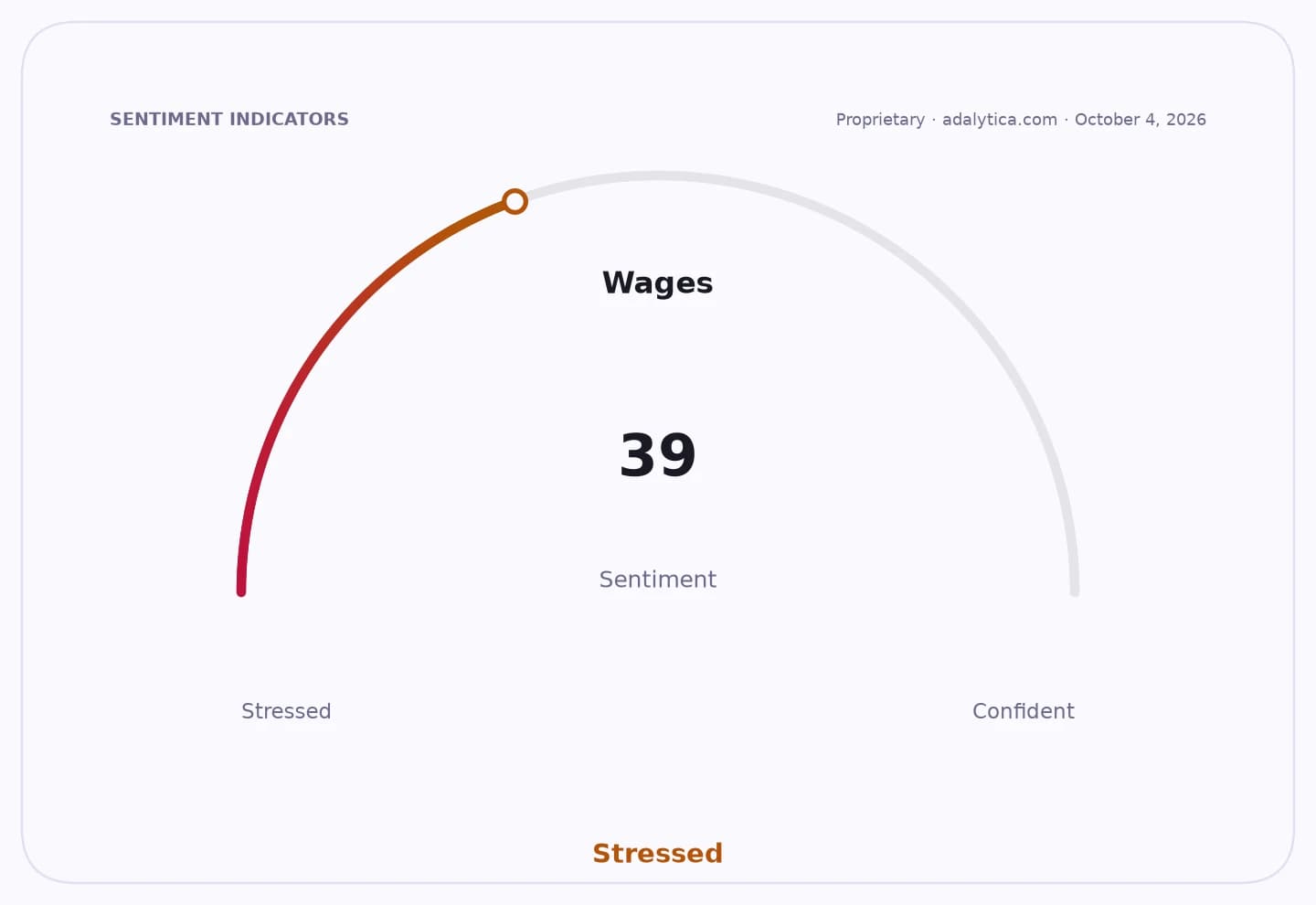
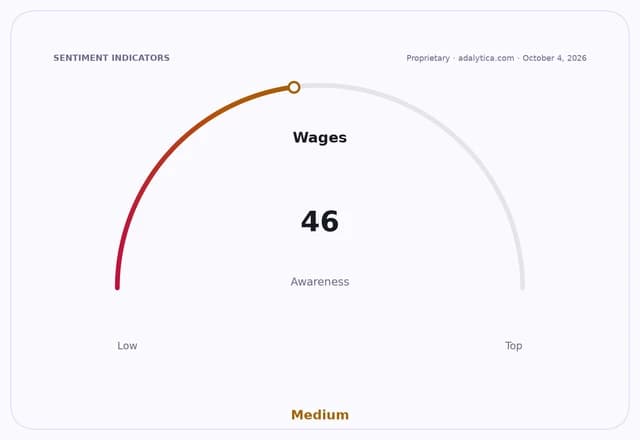
Sentiment IndicatorsⓘProprietary · adalytica.com · October 4, 2026
This is a snapshot — live sentiment, awareness and momentum for 130+ markets update continuously in the dashboard.Open AlphaPulse
Under the plan unveiled by Prime Minister Milojko Spajić on Sept. 17, minimum net pay would rise to 1,000 euros for basic and lower education jobs, 1,250 euros for secondary education roles and 1,400 euros for university graduates from January 2027. The Chamber says an intern with a law degree would see net pay jump from about 800 euros to 1,400 euros, adding roughly 600 euros a month per trainee to firm costs.
That matters economically because legal apprenticeships are one of the main entry points into Montenegro’s broader skilled workforce. Chamber president Danilo Mićović said most interns eventually move on to the judiciary, public administration or private companies, meaning fewer placements could weaken the supply of trained legal staff across the economy.
The concern is not just about law firms’ margins. If pay floors rise without room for service prices to adjust, smaller practices could reduce headcount, delay hiring or avoid interns altogether, shifting costs onto business owners while limiting training opportunities for young graduates.
Mićović said the state could blunt the impact by helping subsidize trainee wages, noting that a similar model existed in the past when the government covered all internship costs. Without that, the Chamber argues, the “Euro model” could distort the economics of a sector that depends on fixed fees and thin pricing flexibility.
The plan still faces implementation risk and political bargaining before its planned start in 2027, but it has already sparked a wider debate over how to balance wage growth with employment, training and competitiveness. For investors and employers, the key question is whether higher minimum pay boosts purchasing power without forcing small professional firms to trim the very entry-level jobs that build the country’s future labor pool.
| Entity | Gains | Losses |
|---|---|---|
| Young law graduates | ▲Higher starting pay | ▼Fewer internship openings |
| Law firms | ▲— | ▼Higher payroll costs |
| Montenegro government | ▲Wage support optics | ▼Pressure to subsidize employers |
| Courts/public sector/businesses | ▲Better-trained talent pipeline if internships hold | ▼Smaller future pool of legal staff |