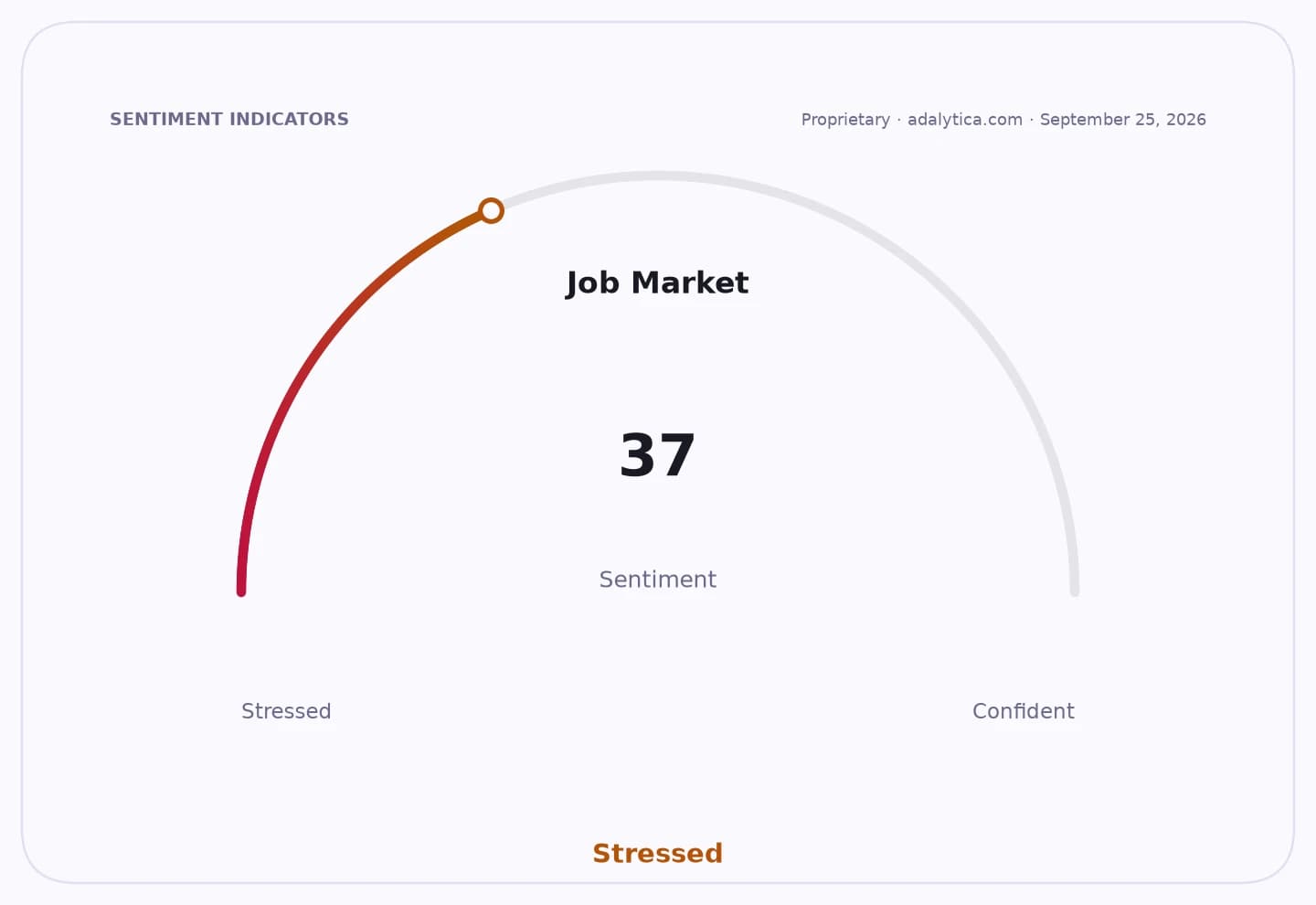
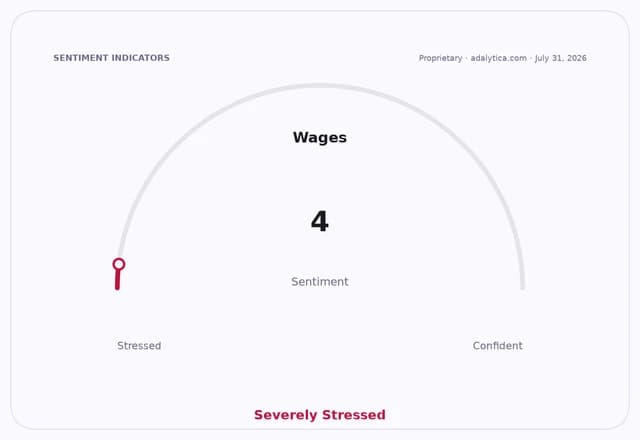
Montenegro’s pay squeeze is becoming the clearest sign that the country’s growth story is not yet translating into household prosperity. Average wages are only just above 1,000 euros a month, and with inflation still eroding purchasing power, real incomes are slipping even as nominal pay edges higher.
Montenegro Wages Near 1,000 Euros as Real Pay Slips
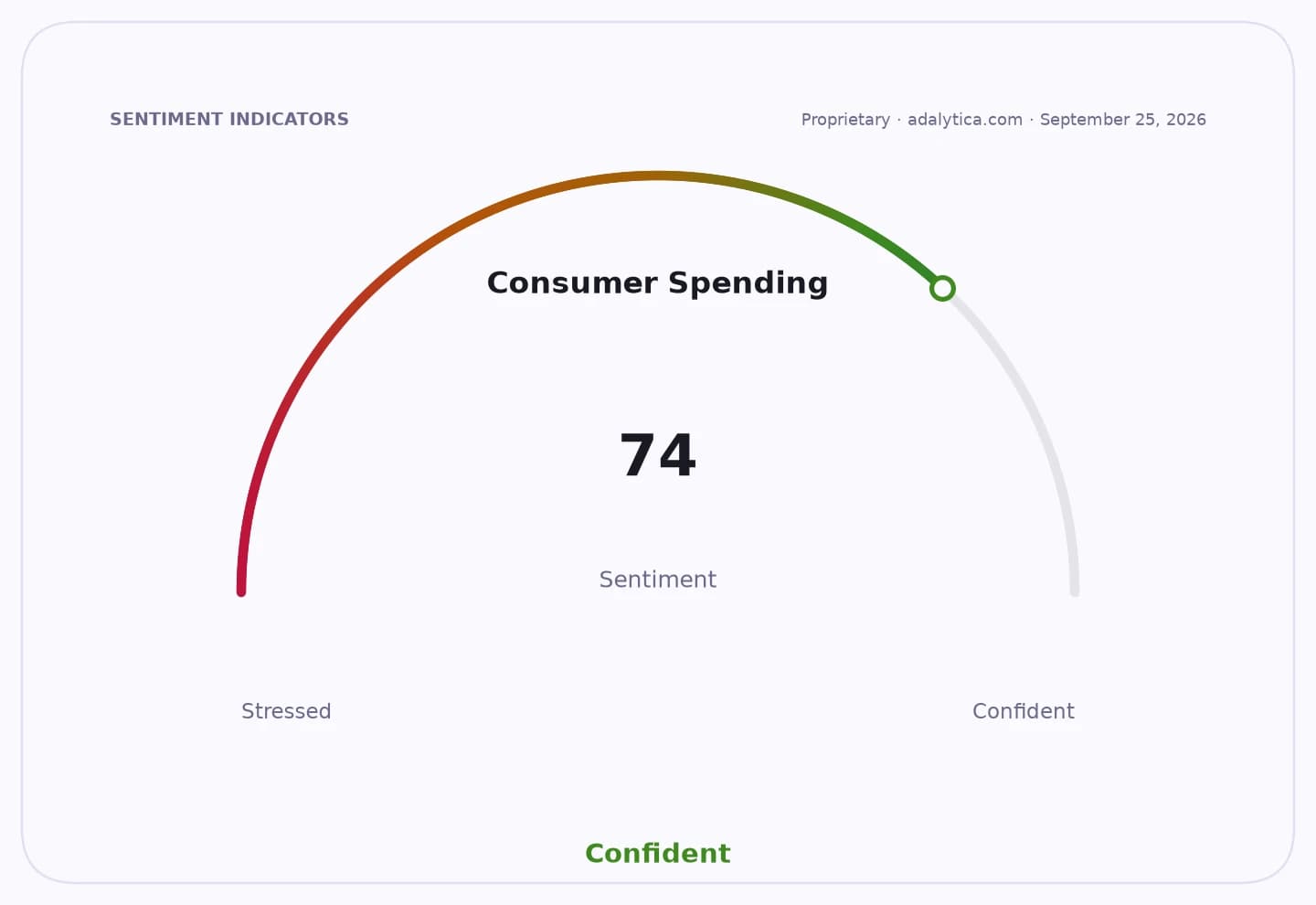
That matters because wages are the core transmission mechanism between macro stability and consumer demand. When price growth outruns salaries, families cut spending, businesses face weaker turnover and the government gets less of the broad-based growth it needs to sustain investment and reform. In a small, open economy like Montenegro’s, that gap quickly shows up in weaker domestic demand and a greater dependence on tourism, remittances and imported consumption.
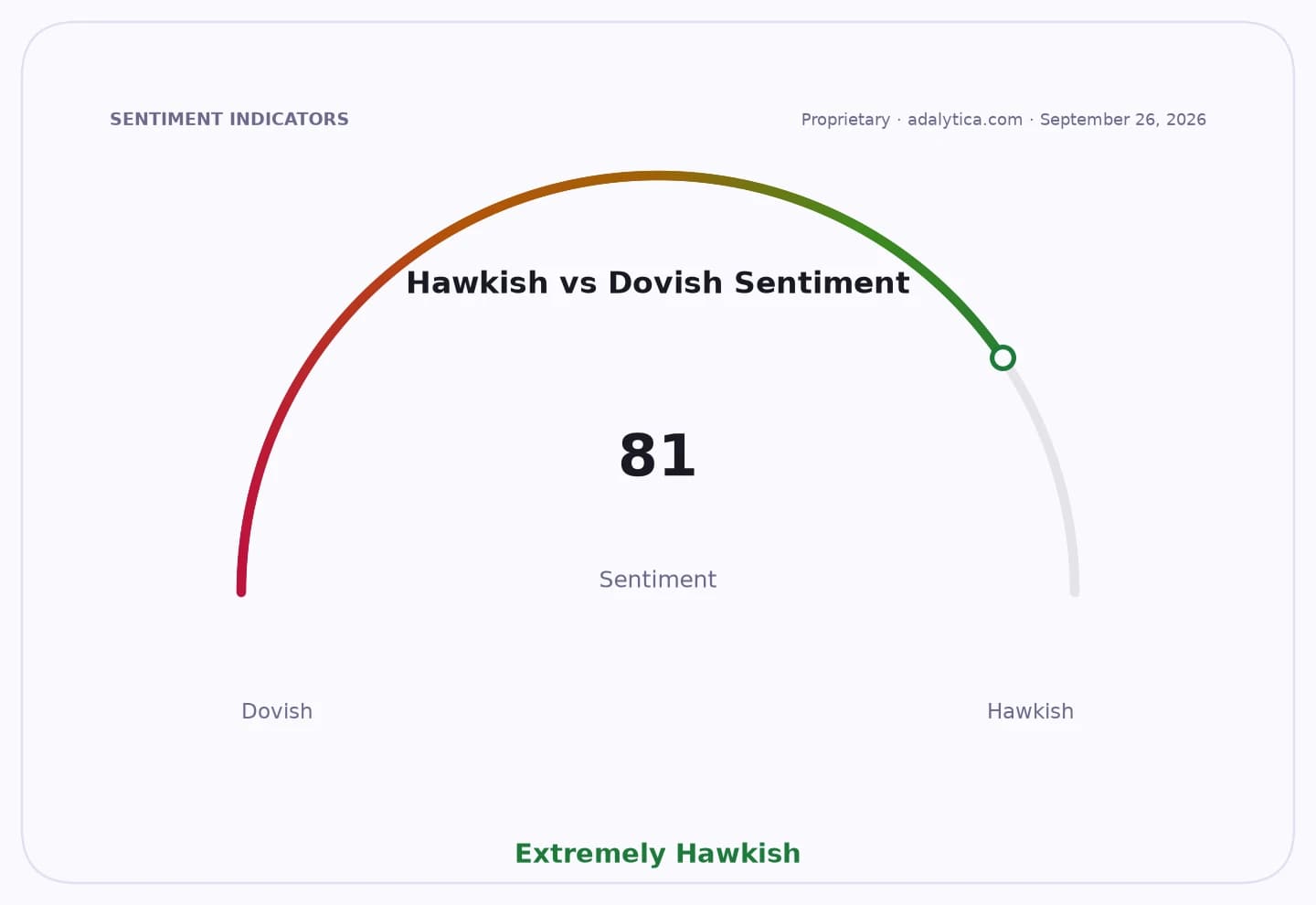
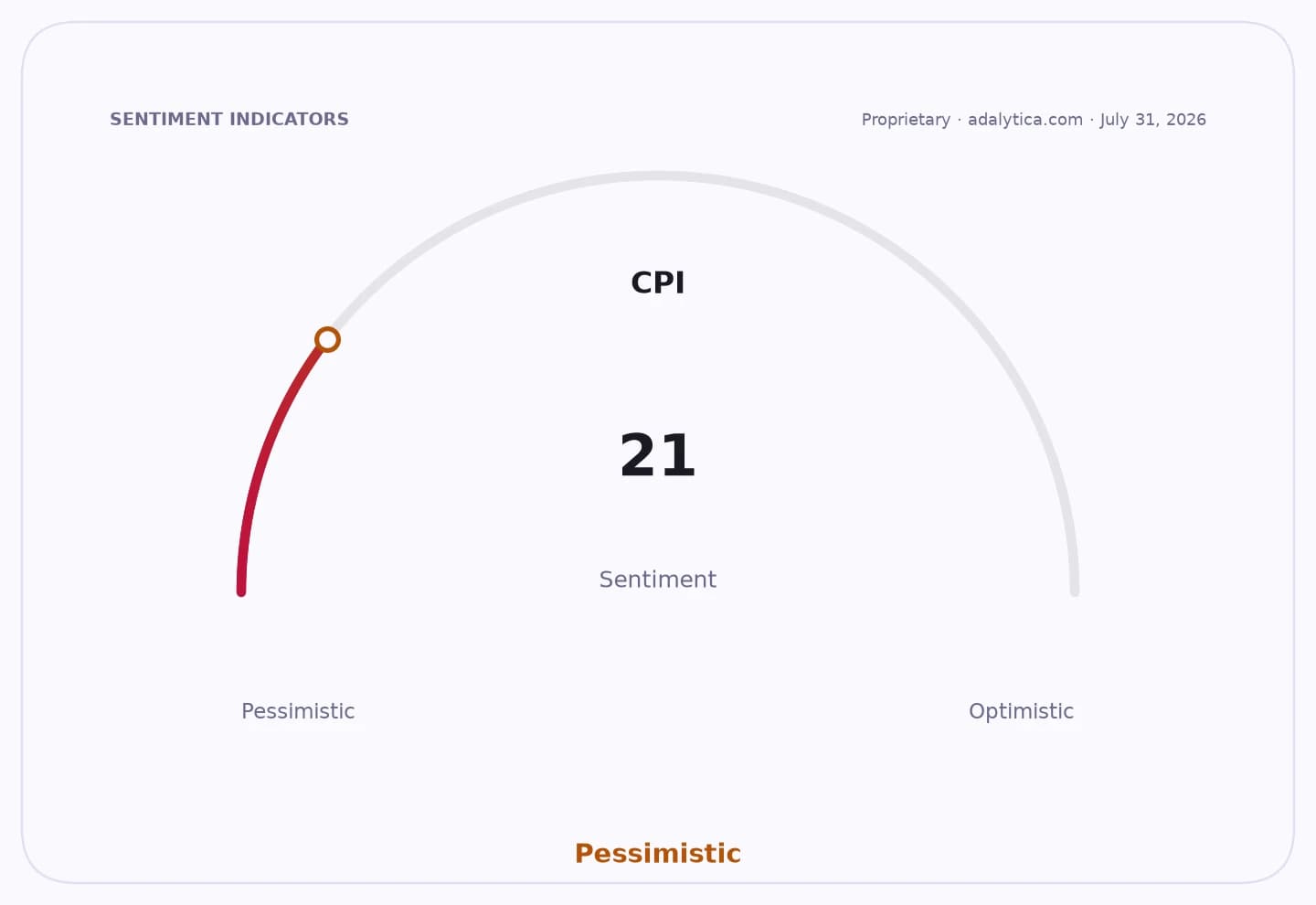
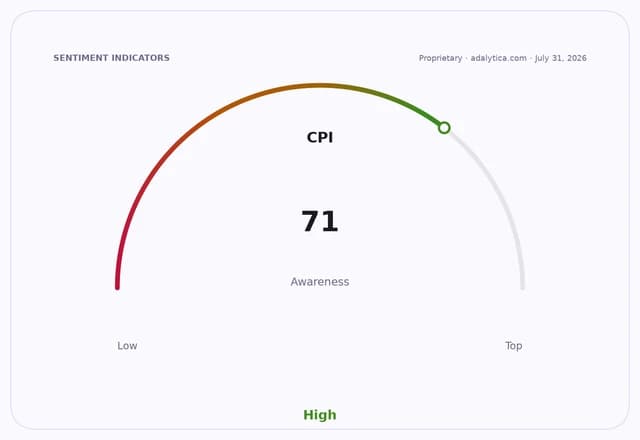
The broader backdrop is not benign. Even as inflation has cooled from the extremes seen in the post-pandemic surge, it remains high enough to keep pressure on living standards. U.S. CPI data in the context show inflation continuing to run above the Fed’s comfort zone, a reminder that global price pressures have not disappeared, while Montenegro is still exposed to imported energy, food and financing costs. The 10-year U.S. Treasury yield near 4.66% underscores that borrowing costs remain elevated globally, limiting the room for peripheral economies to lean on easy credit to cushion households.
For investors, the implication is that Montenegro’s under-earning consumers are not a story of immediate opportunity so much as one of selective exposure. Sectors tied to exports, tourism infrastructure, utilities and essentials are better positioned than discretionary retail, because they benefit from hard-currency inflows or regulated cash flows rather than wage-driven domestic spending. The market is also likely to reward companies and assets that can pass through costs, preserve margins and operate in euros, while punishing businesses dependent on local purchasing power.
There is a technical market parallel worth noting. The iShares MSCI Germany ETF, EWG, has climbed back to $42.85, above both its 50-day and 200-day moving averages, with RSI readings approaching overbought territory. That is not a Montenegro trade, but it reinforces the broader European equity backdrop: capital is rewarding resilience, balance-sheet strength and exposure to external demand, not weak consumer micro stories.
The real narrative here is simple: Montenegro can report wage gains all it wants, but until real pay turns positive in a sustained way, the economy remains stuck in a low-confidence, low-momentum loop. That is exactly the kind of mismatch investors should watch for, because the next leg of value creation will come from businesses that profit from scarcity, not from a consumer that is still losing ground.
| Entity | Gains | Losses |
|---|---|---|
| Exporters and tourism operators | ▲Hard-currency demand | ▼Weak domestic spending |
| Utilities and essentials providers | ▲Pricing power | ▼Margin pressure from costs |
| Local consumers | ▲None | ▼Real wages and buying power |
| Discretionary retailers | ▲None | ▼Demand slowdown |