MoonPay’s purchase of payments platform Glide is a reminder that the biggest crypto winners may not be the coins themselves, but the pipes that move cash into and out of the ecosystem.
MoonPay Buy Highlights Crypto Payments Rails
That matters because the next phase of crypto adoption is less about speculation and more about utility. If buying, selling and funding digital assets becomes faster, cheaper and easier to embed inside consumer apps, more users can participate without ever feeling like they are using a crypto exchange at all. That is the kind of infrastructure shift that can expand the market over years, not days.
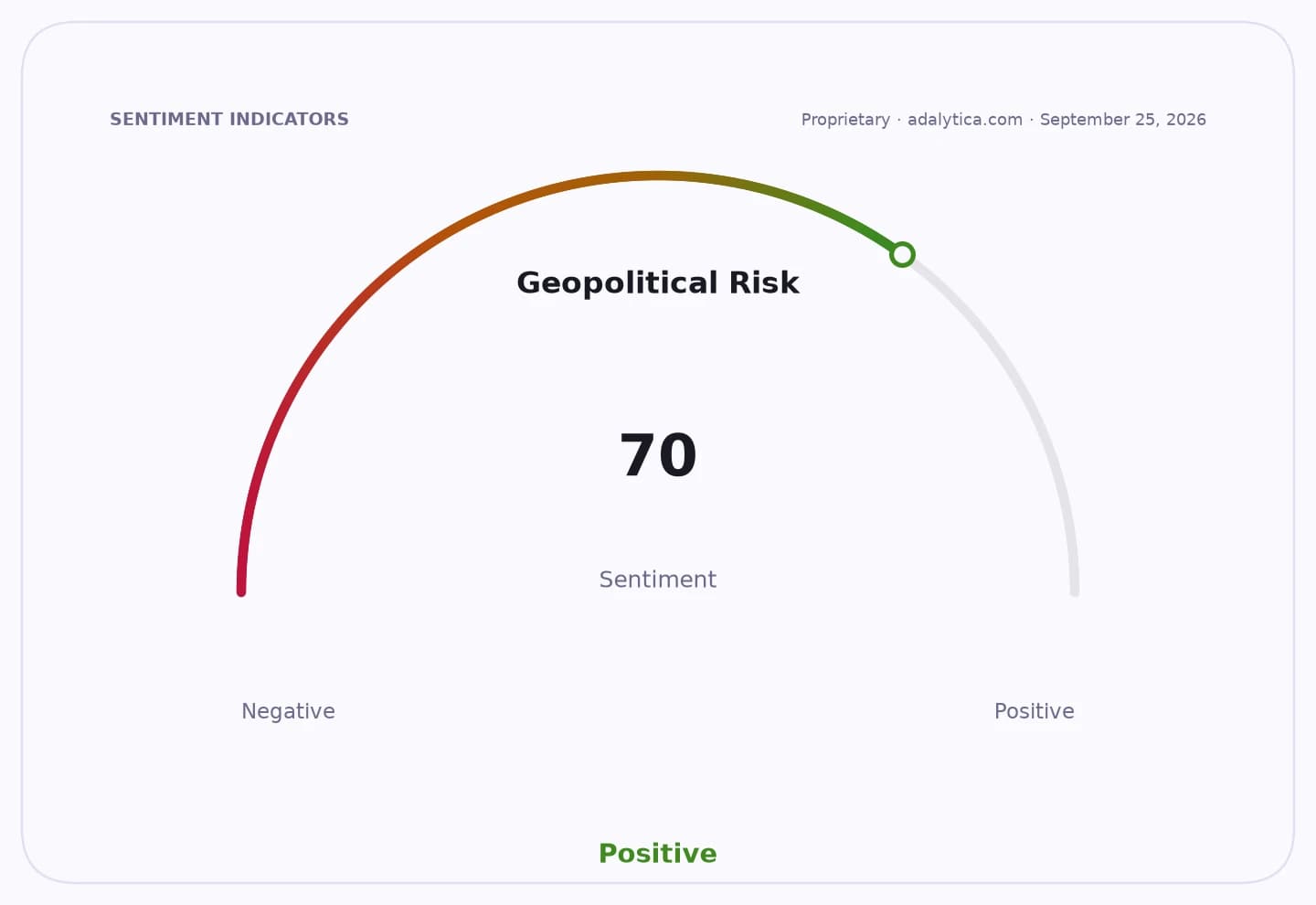
Sentiment IndicatorsⓘProprietary · adalytica.com · July 16, 2026
This is a snapshot — live sentiment, awareness and momentum for 130+ markets update continuously in the dashboard.Open AlphaPulse
For MoonPay, the deal adds another layer to a business built around making crypto accessible. Deposits are a critical choke point in that process: if users can’t move money in smoothly, the whole experience breaks down. Buying Glide gives MoonPay a way to strengthen that entry point and deepen its role as a behind-the-scenes payments rail for wallets, exchanges and apps that want crypto functionality without building the plumbing themselves.
The timing also fits a broader industry pattern. Regulators are tightening scrutiny after a series of fraud cases and rising AML concerns, which makes compliant infrastructure more valuable, not less. In that environment, companies that can help move funds while managing identity, settlement and risk controls are likely to have more staying power than flashier, consumer-facing crypto brands.
Investors should see the acquisition as part of a larger consolidation trend across crypto infrastructure. As the market matures, scale and integration matter more. Businesses that can combine onboarding, deposits, payments and compliance have a better shot at durable revenue than standalone product shops chasing the next cycle. That is especially important when Bitcoin itself is still volatile and sentiment can swing sharply, even as long-term adoption improves.
The deal is also relevant for public-market crypto names such as Coinbase and Robinhood, both of which are increasingly exposed to the same theme: crypto activity is moving from pure trading toward broader financial services. Coinbase has already been expanding beyond spot trading, while Robinhood is leaning into crypto and retail investing as part of a wider super-app strategy. More infrastructure investment by private players raises the bar for everyone else.
None of this removes risk. Crypto remains a sector where fraud, regulation and market shocks can quickly erase gains. But the strategic logic of owning better deposits infrastructure is hard to ignore. If crypto is going to become a lasting part of mainstream finance, the companies that make funding seamless may be the ones that compound most reliably.
For long-term investors, that makes MoonPay’s move worth watching as part of a much bigger trend: the slow, important buildout of the financial rails that could support crypto’s next decade.
| Entity | Gains | Losses |
|---|---|---|
| MoonPay | ▲Stronger deposit infrastructure | ▼More integration risk |
| Glide | ▲Exit to larger platform | ▼Independence |
| Crypto users | ▲Easier funding flows | ▼Fewer niche alternatives |
| Coinbase / Robinhood | ▲Validation of crypto rails | ▼Higher competition for infrastructure |