The Moroccan dirham strengthened 0.8% against the dollar between July 30 and Aug. 5, a move that underscores how quickly currencies are reacting to renewed pressure on the greenback and a jump in global FX volatility.
Moroccan dirham rises 0.8% as dollar weakens
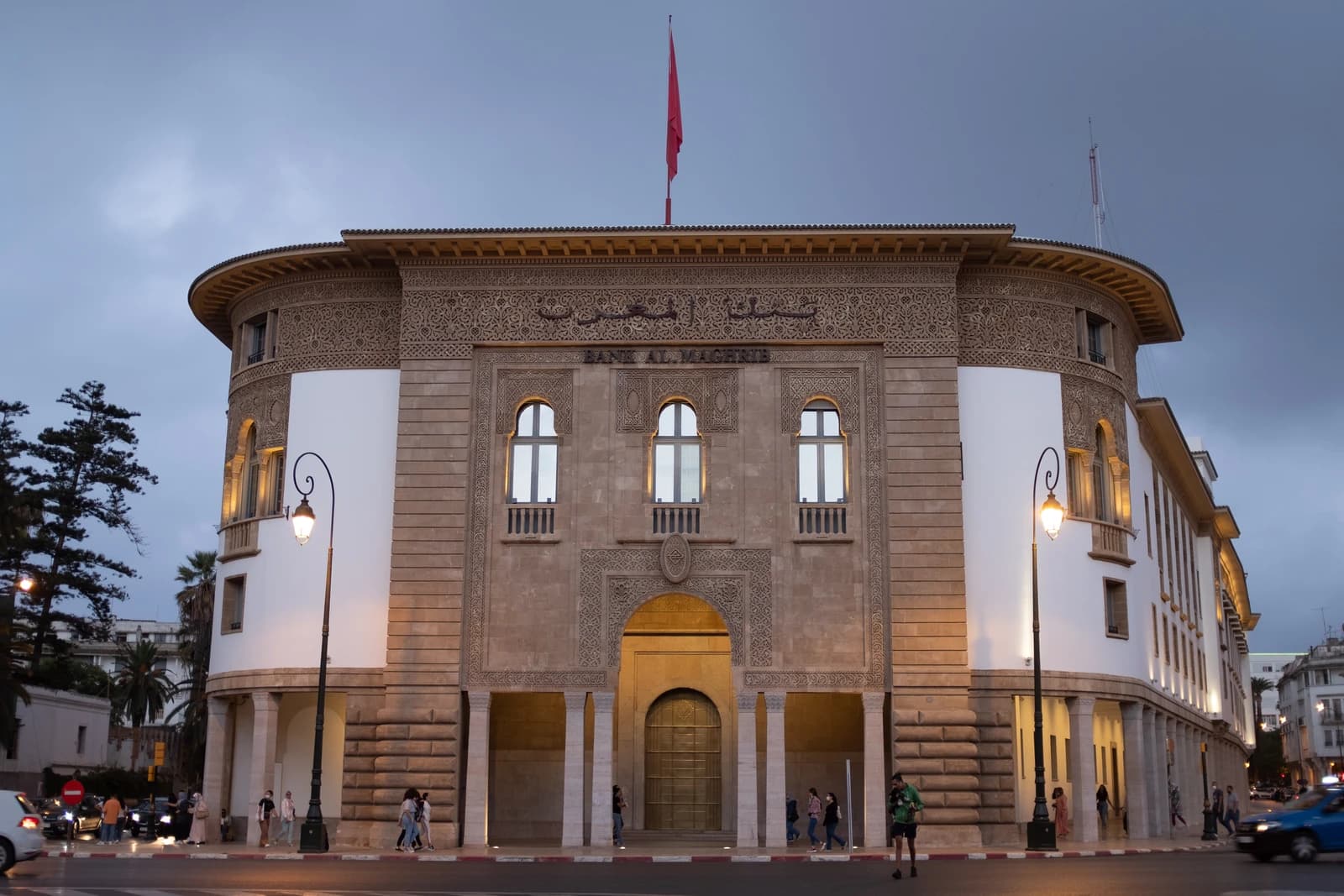
For Morocco, the immediate effect is modestly better import pricing and some relief on dollar-linked costs, but the broader significance is bigger: a firmer dirham can help temper imported inflation just as markets brace for more US data that could reset Treasury yields and the dollar’s next leg. The Bloomberg dollar gauge, UUP, slipped to 28.09 on Aug. 5 from 28.25 two sessions earlier, while the ETF remains above its 200-day moving average, suggesting the dollar is still supported but no longer moving in a straight line.
Sentiment IndicatorsⓘProprietary · adalytica.com · August 8, 2026
This is a snapshot — live sentiment, awareness and momentum for 130+ markets update continuously in the dashboard.Open AlphaPulse
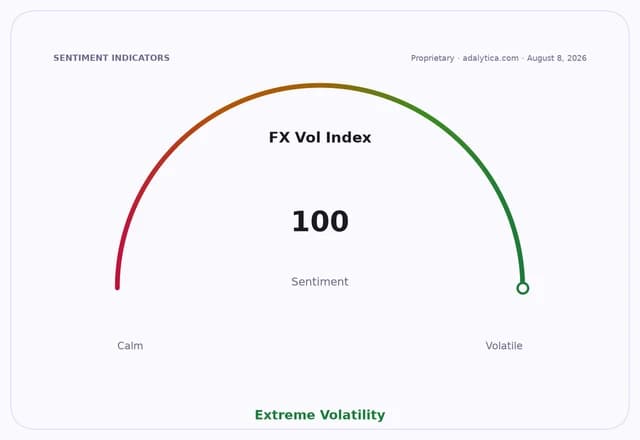
That matters because the latest shift in the dollar comes alongside a sharp rise in interest-rate and currency volatility. The US 2-year Treasury yield climbed to 4.63% on Aug. 5 from 4.20% on Aug. 4, while the 10-year rose to 4.69% from 4.63%, a combination that can unsettle carry trades and ripple through emerging-market currencies. Adalytica’s FX volatility signals are flashing extreme greed, a sign that positioning is stretching even as traders chase short-term swings.
The dirham move also fits a broader pattern of selective strength in regional currencies as investors weigh softer US growth signals against still-elevated US yields. The UUP’s price action shows the dollar losing momentum, with its 14-day RSI falling to 34.9 by Aug. 7, down from 43.0 the day before, while the MACD has slipped below its signal line. That is not a full-blown dollar reversal, but it is enough to keep FX markets open to sharp countertrend moves.
For investors, the key point is that currency stability is becoming an investable theme again. A firmer dirham supports Moroccan domestic purchasing power and can ease pressure on rate-sensitive local assets if the trend holds. But it also warns that the dollar’s dominance is more fragile when US data, Treasury yields and volatility all move at once. The market is underestimating how quickly that can create opportunities in currencies, exporters and import-sensitive sectors across emerging markets.
The next catalyst is the next round of US economic releases. If they confirm slower growth, the dollar could extend its pullback and give the dirham room to hold gains. If yields reassert themselves, the move may fade just as fast. Either way, this is not noise — it is the kind of FX inflection point that can reshape positioning across emerging markets.
| Entity | Gains | Losses |
|---|---|---|
| Moroccan importers | ▲Lower dollar costs | ▼N/A |
| Moroccan consumers | ▲Less imported inflation | ▼N/A |
| US dollar bulls | ▲N/A | ▼Softer momentum |
| FX volatility traders | ▲Bigger price swings | ▼Directional stability |