A mortgage rescue meant to help a family member can quickly become a leverage problem for the people who signed on, and the broader housing market’s high-rate environment is making that risk harder to escape.
Mortgage co-signers face refinance risk in high rates
For Brooklyn and her husband, co-signing their in-laws’ home loan was supposed to solve a housing crunch and preserve child care support. Instead, it has left them exposed to missed payments, wage garnishment and a loan they cannot easily unwind because the borrowers cannot refinance.
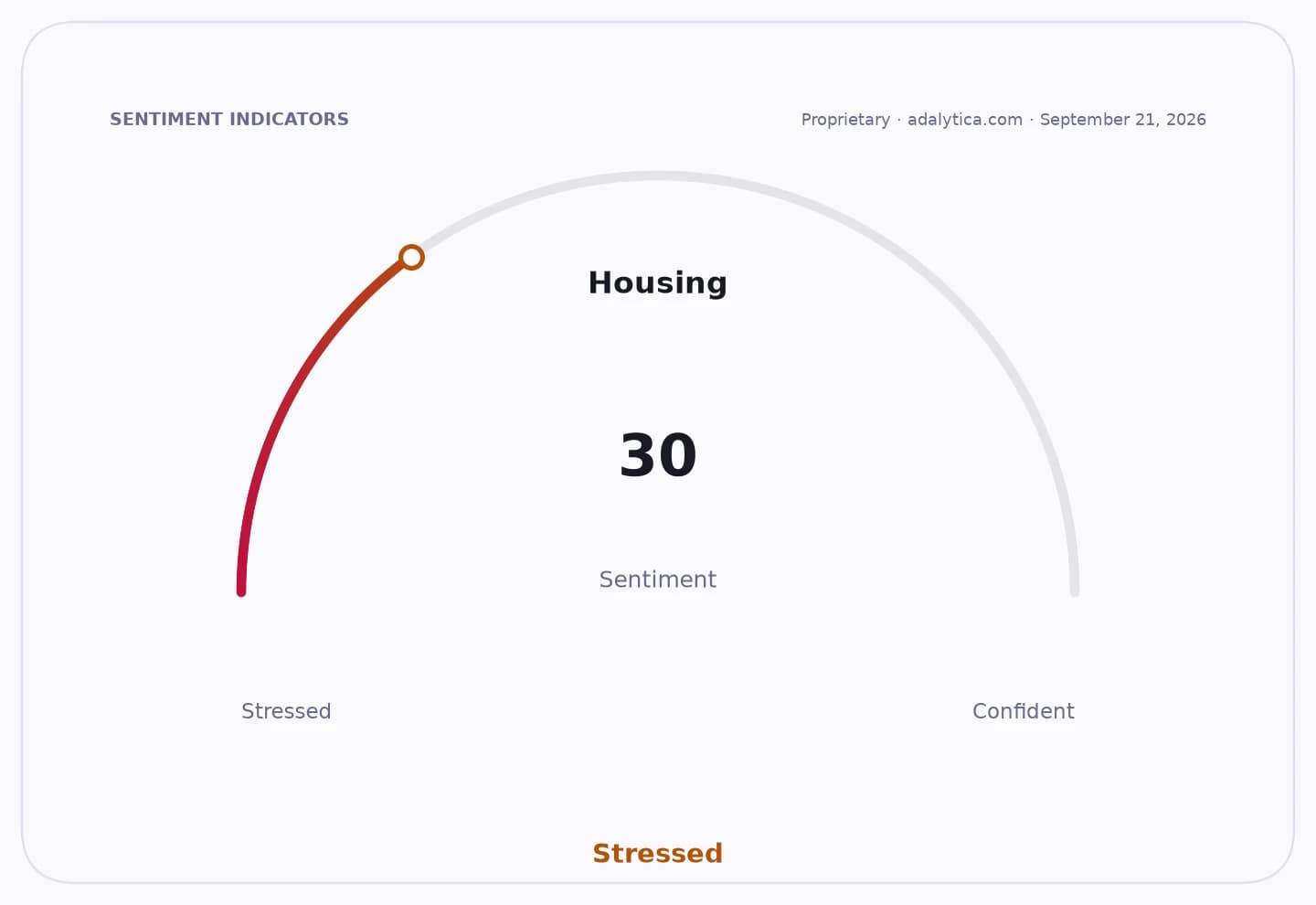
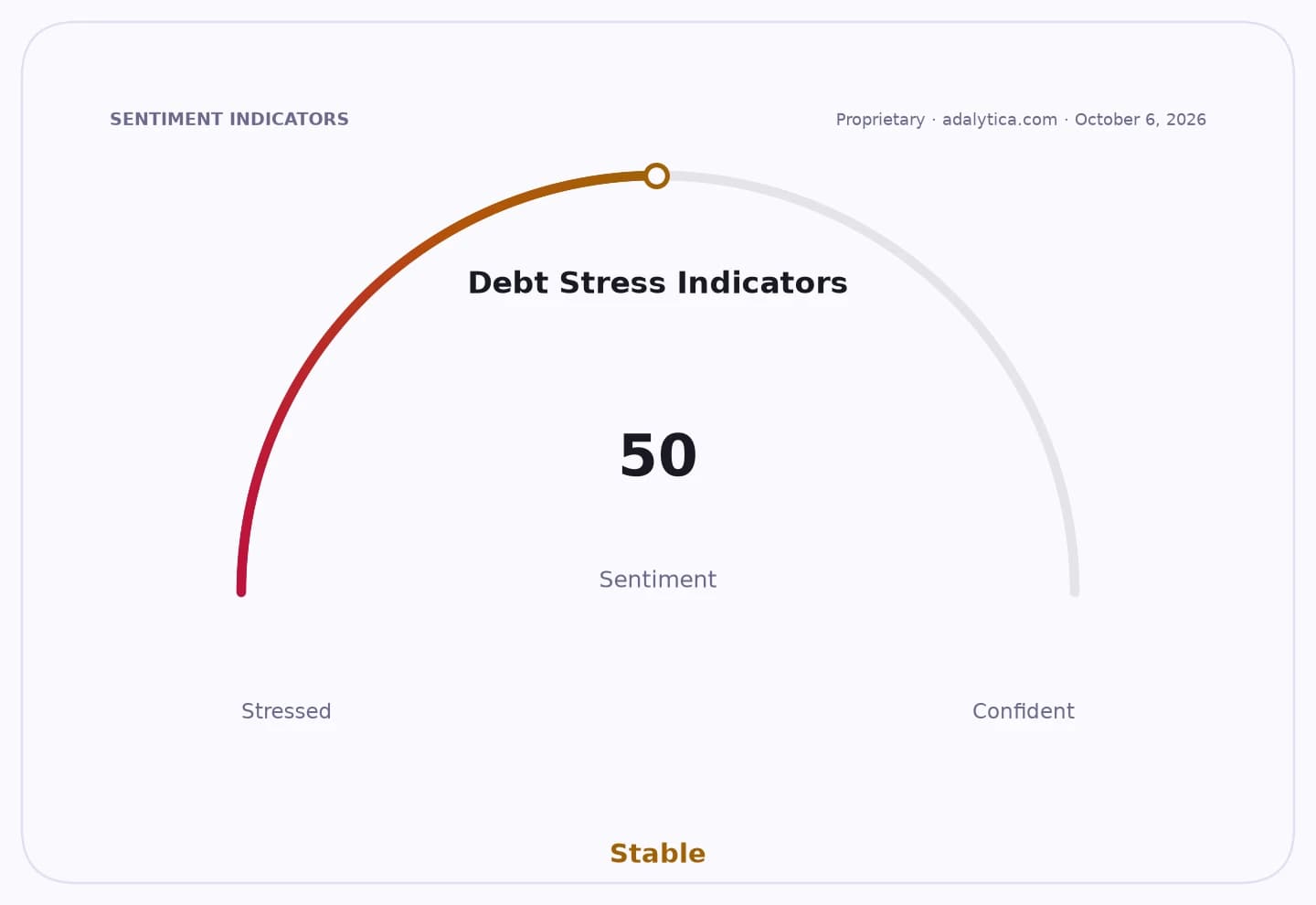
Sentiment IndicatorsⓘProprietary · adalytica.com · October 12, 2026
This is a snapshot — live sentiment, awareness and momentum for 130+ markets update continuously in the dashboard.Open AlphaPulse
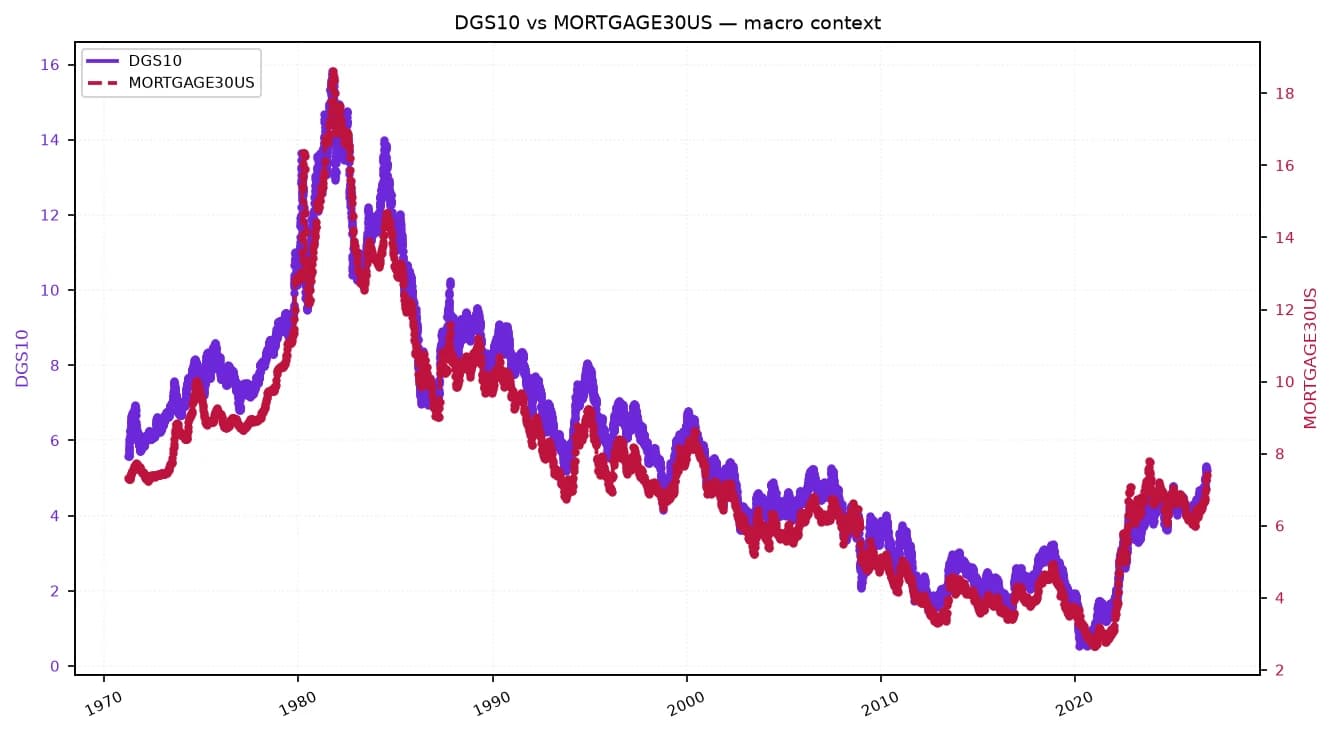
That is the real economic sting of this story: in a market where the 30-year mortgage rate is still around 7.4% and the federal funds rate sits near 5.25%, refinancing is often not an exit but another stress test. Borrowers who were stretched when they bought are now locked in by higher financing costs, while co-signers remain on the hook for a debt they do not control. The result is a growing class of households that look solvent on paper but are carrying hidden credit risk inside family arrangements.
Brooklyn said the mortgage is about $1,700 a month, plus a $315 homeowners association fee. Those are manageable only if payments are made on time — and the couple has already seen two missed payments after an earlier delinquency triggered a wage garnishment notice. That matters because late mortgage payments do not just strain family budgets; they can damage credit, suppress housing mobility and force households into a chain of financial compromise at a time when debt service is already elevated.
Investors should care because this is the kind of stress that never shows up in the headline home-price data until it does. The housing market has been kept aloft by limited supply and the “lock-in effect” from low-rate mortgages, but a growing number of households are living through the opposite problem: they bought, or co-signed, under one rate regime and now face a far more punitive one. That keeps turnover low, supports prices in some segments, and deepens the affordability trap for everyone trying to move.
The story also points to why mortgage credit remains vulnerable even with unemployment around 4.1%. Labor markets may still be relatively tight, but housing distress often begins in households that are not jobless at all — they are just overextended, entangled, and unable to refinance out of a bad setup. That makes delinquency risk more persistent than investors may assume, especially when family-assisted borrowing blurs the line between affordability and obligation.
Publicly traded mortgage names are part of that chain, and recent price action shows how sensitive the sector remains to rate expectations. Rocket Companies has slipped to about $11.48 from above $14 in August, while United Wholesale Mortgage trades near $1.08 after a long slide from above $4 earlier in the year, reflecting the pressure on origination volumes when refinancing stays dead and purchase demand remains rate-constrained. In a high-rate world, the winners are the lenders and servicers that can live off sticky purchase activity and servicing income; the losers are households trapped in yesterday’s mortgage terms.
The bigger narrative is simple: high rates are not just slowing home sales, they are trapping balance sheets inside the family. As long as refinancing stays expensive and housing remains unaffordable, these co-signed loans will keep turning personal goodwill into financial liability.
If you want the actionable takeaway, it is this: in a market still defined by expensive money, the best housing investments are not the riskiest borrowers — they are the businesses that profit from mortgage friction, servicing, and scarcity.
| Entity | Gains | Losses |
|---|---|---|
| Mortgage servicers | ▲Sticky fee income | ▼Fewer easy refinancings |
| Homeowners with low-rate loans | ▲Rate lock-in benefit | ▼Mobility and move-up options |
| Co-signers / guarantors | ▲None | ▼Hidden credit exposure |
| Rocket Companies / UWMC | ▲Purchase lending demand | ▼Refi-dependent volumes |