Mortgage rates near 6.6% are testing the point where America’s housing market stops behaving like a normal cycle and starts acting like a affordability crisis.
Mortgage Rates Pin Housing Recovery

That matters because the market’s real anchor is not the Federal Reserve, but the buyer’s monthly payment. Surveys and lender behavior are converging on a hard truth: many households are only willing to stretch for a mortgage in the 5% to 7% range. The average 30-year rate has now climbed to 6.58%, the highest in nearly a year, while the 10-year Treasury yield has pushed back toward 4.7%, leaving little room for relief unless bond markets reverse. In other words, the rate shock is no longer theoretical — it is hitting the exact band where demand begins to break.
Sentiment IndicatorsⓘProprietary · adalytica.com · July 28, 2026
This is a snapshot — live sentiment, awareness and momentum for 130+ markets update continuously in the dashboard.Open AlphaPulse
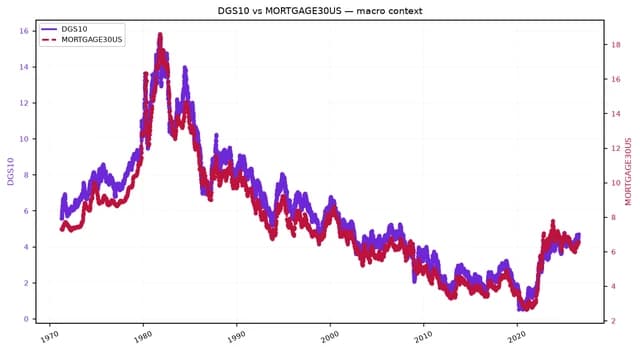
For investors, that makes housing a trade on affordability, not just on home prices. Falling prices alone do not reopen the market if financing costs keep monthly payments elevated. The latest data show buyers are rushing to lock loans before rates rise further, a sign of fear-driven demand rather than healthy absorption. That can create brief volume spikes, but it does not solve the structural issue: higher borrowing costs are squeezing first-time buyers, lengthening sales cycles and forcing builders to lean harder on incentives and mortgage buydowns to clear inventory.
The strain is already showing up in the housing complex. Homebuilder ETFs have been volatile but are trying to stabilize, with XHB and ITB both hovering around their 50-day averages after sharp swings. That tells you the market is not pricing a clean housing recovery; it is pricing a tug-of-war between still-solid employment and a rate environment that refuses to cooperate. Standard technical indicators such as the 50-day moving average, RSI and MACD show the group has repeatedly failed to sustain momentum, reinforcing that housing remains hostage to financing costs.
The earnings evidence backs that up. Major builders including D.R. Horton and Lennar have pointed to mortgage-rate buydowns, incentives and cancellations as the cost of preserving sales. That is not a benign adjustment — it is margin compression. The more builders subsidize buyers, the more profit gets transferred from shareholders to keep the market moving. If rates stay in this zone, volume may hold up better than expected, but margins are likely to stay under pressure.
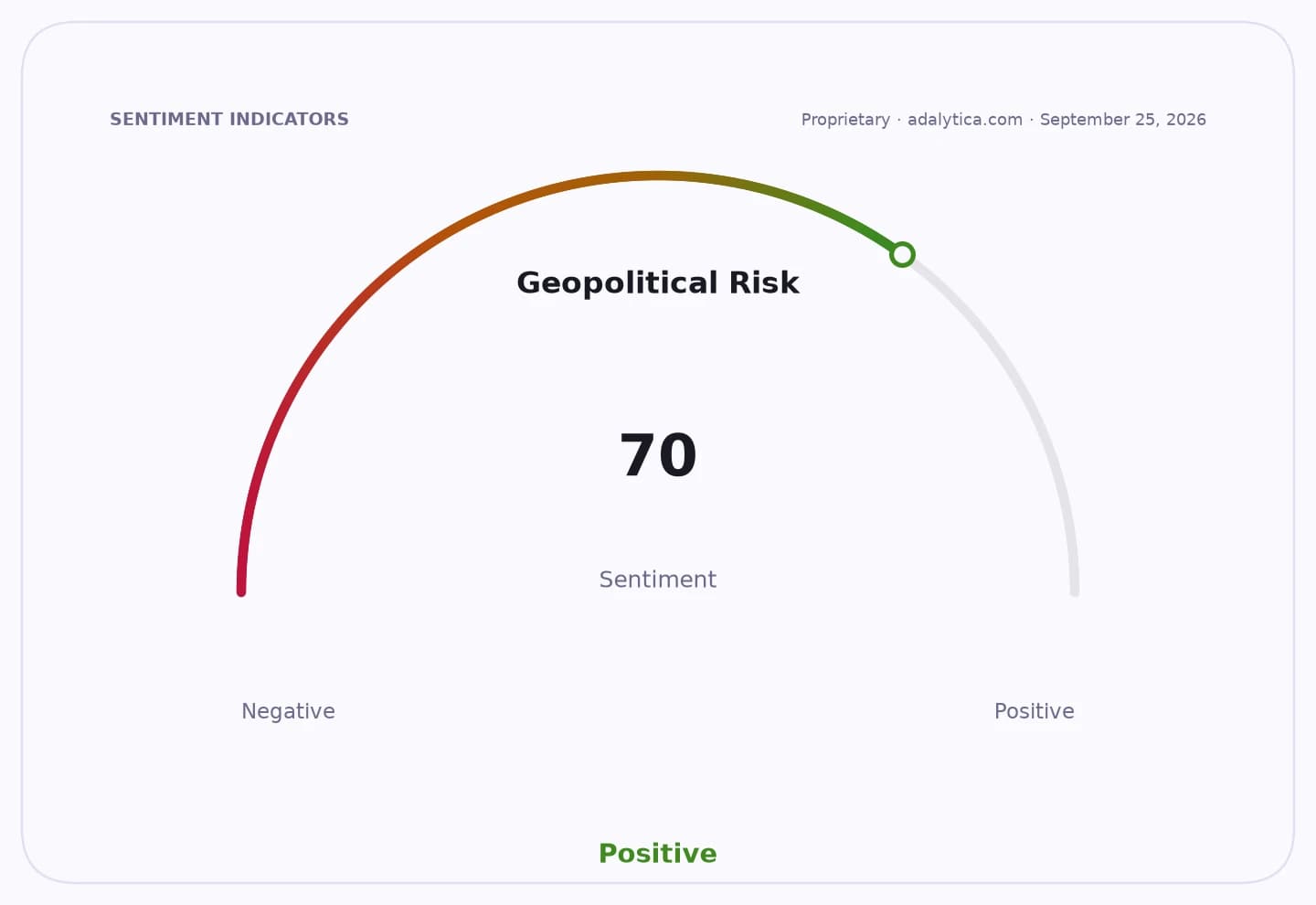
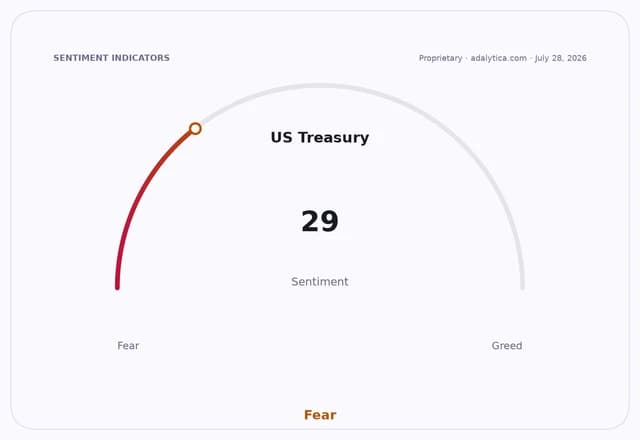
This is where the macro matters. The 10-year Treasury is the transmission mechanism for mortgage pricing, and its move toward the high-4% range is enough to keep housing affordability constrained even with a softer labor market and a 4.2% unemployment rate. Adalytica’s bond signals show fear in Treasurys, while the dollar has flashed extreme fear — a combination that suggests markets are wrestling with growth, inflation and policy uncertainty rather than pricing an easy drop in rates. Until long yields break lower, the housing recovery thesis remains premature.
I believe the market underestimates how powerful this ceiling is. A mortgage rate in the mid-6% area is not just “less affordable”; it is the level at which many would-be buyers simply wait. That shifts the opportunity set away from pure homebuilders and toward the picks-and-shovels winners that can profit even when turnover is sluggish: mortgage servicing, housing supply-chain firms, rental housing, and select financials with asset-sensitive balance sheets and strong deposit franchises. The losers are clear too — builders relying on rate buydowns, lenders exposed to weak origination, and any housing thesis built on the assumption that lower rates are coming quickly.
The actionable takeaway is straightforward: don’t chase a broad housing rebound until bond yields convincingly retreat. For now, the best risk-adjusted opportunity is in the businesses that monetize housing scarcity and financing stress, not in the dream of a fast return to 5% mortgages.
| Entity | Gains | Losses |
|---|---|---|
| Rental housing owners | ▲Higher rental demand | ▼Fewer first-time buyers |
| Mortgage servicers | ▲Sticky fee income | ▼Slower refinancing |
| Homebuilders using incentives | ▲Preserved sales volumes | ▼Margin pressure |
| Rate-sensitive homebuyers | ▲Possible bargaining power on prices | ▼Monthly payment affordability |