The average 30-year mortgage rate climbed to 7.28% this week, the first increase after four straight weekly declines, as hotter inflation data pushed Treasury yields higher and reinforced expectations that the Federal Reserve will keep policy tight into December.
Mortgage rates rise to 7.28% as inflation lifts yields

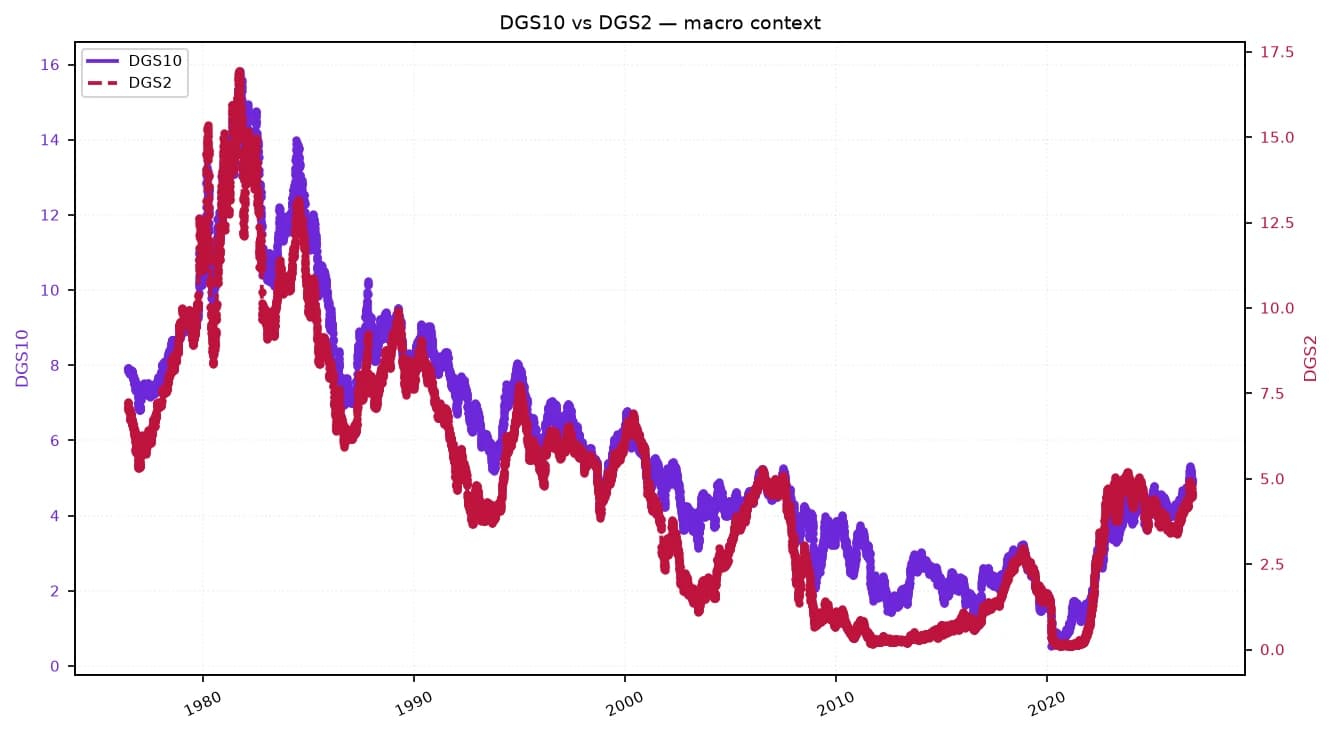
That move matters because home financing costs are once again moving in the wrong direction just as the housing market is already losing momentum. The 30-year rate had fallen to 7.11% a week earlier, but investors grew more cautious after consumer and producer prices came in above expectations, lifting the 10-year Treasury yield — the benchmark mortgage rates tend to track most closely. A higher path for borrowing costs reduces affordability, sidelines first-time buyers and makes refinancing even less attractive for households that already locked in low pandemic-era rates.
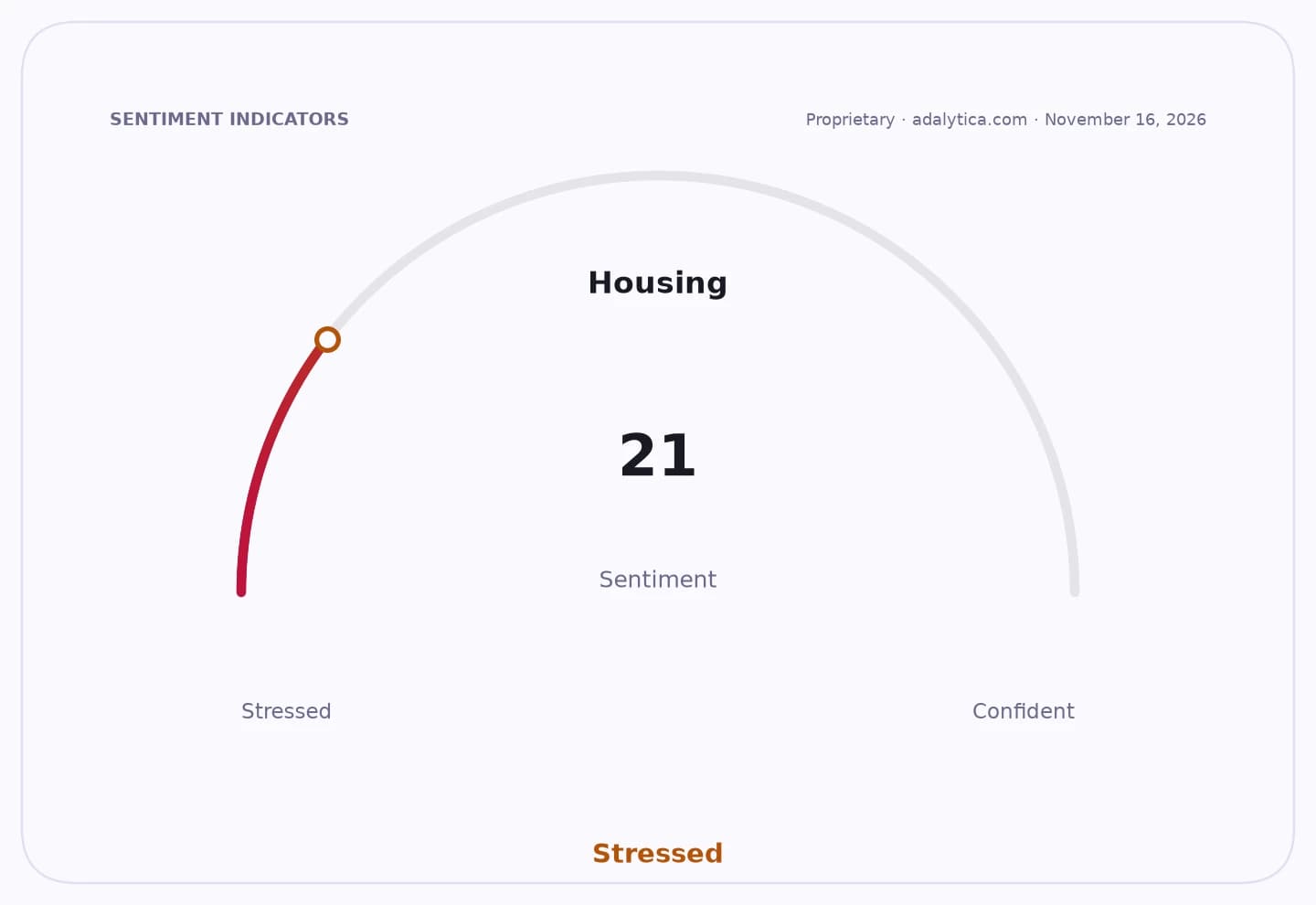
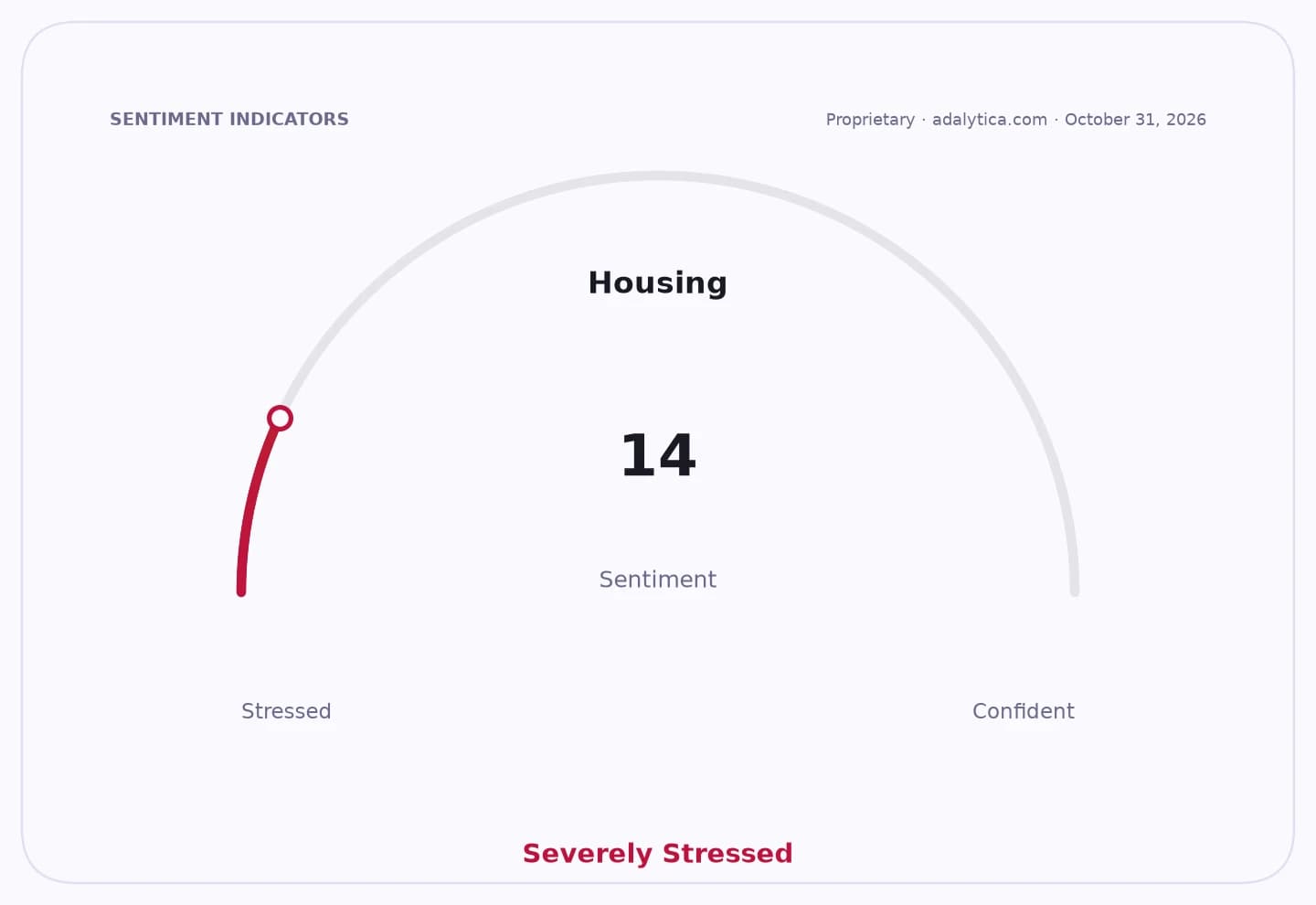
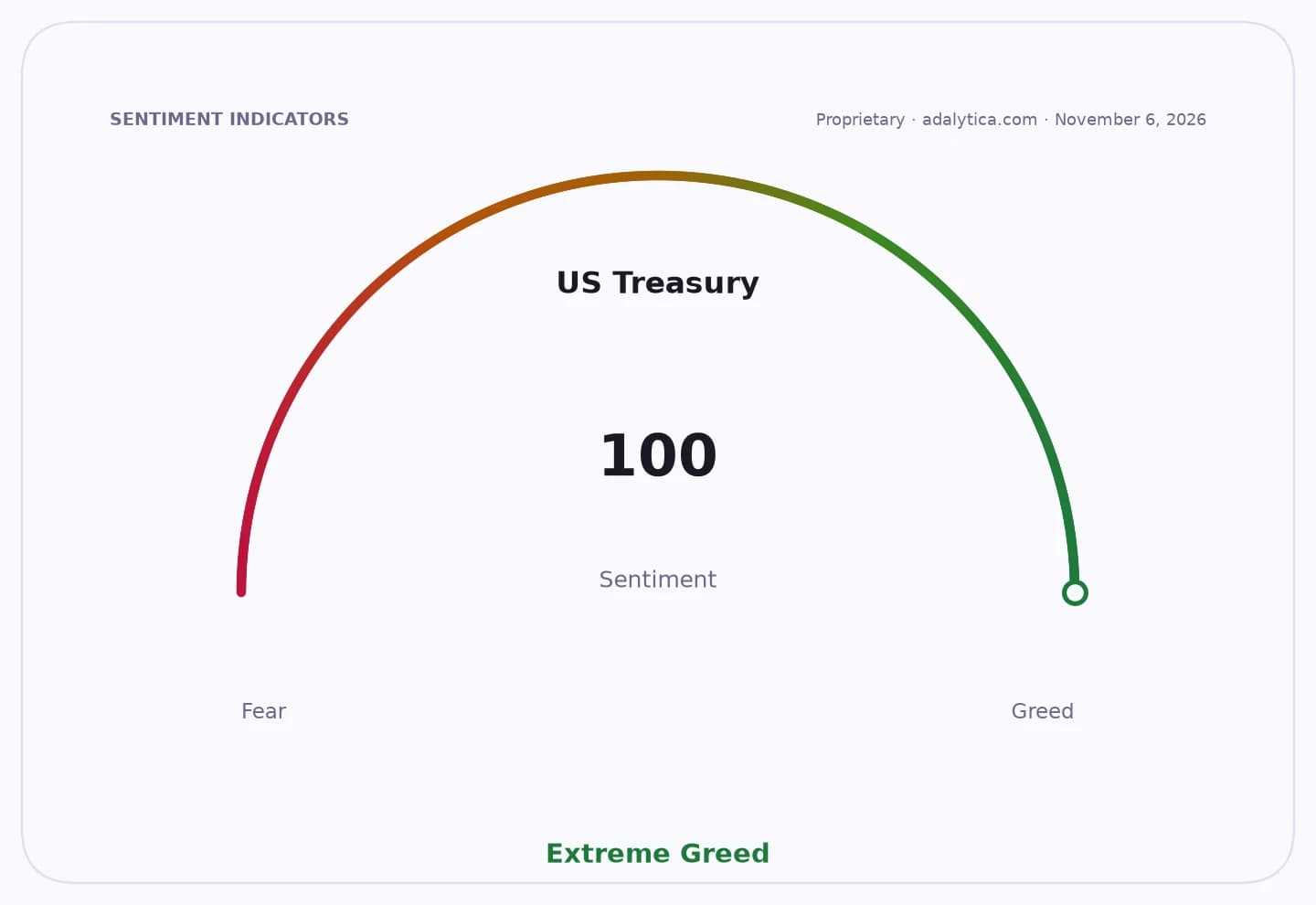
Sentiment Indicators
Markets are now leaning heavily toward another Fed increase at the December meeting, with CME FedWatch showing an overwhelming expectation for a 25-basis-point hike and only a small chance of a larger 50-basis-point move. That keeps pressure on mortgage rates even if the central bank’s policy rate is not the only driver. The market message is that inflation is still sticky enough to delay any relief for housing, even as slowing activity would normally argue for easier credit conditions.
The impact is already showing up in demand. Mortgage applications fell 2.3% in the week ended Nov. 13, according to the Mortgage Bankers Association, and adjustable-rate mortgage costs rose as well. Higher rates also arrive at a seasonally softer period for housing, when transaction volumes tend to thin out. Realtor.com economist Anthony Smith said the backdrop is especially difficult for borrowers now that the market is entering its weaker stretch.
DGS10 vs FEDFUNDS — macro contextadalytica.com
Explore this data interactively — full history, time series and cross-market comparisons.
The latest move also underscores how sensitive mortgage pricing remains to Treasury yields and inflation data. Mortgage News Daily put the 30-year rate at 7.45% on Nov. 19, while NerdWallet, using Zillow data, cited 7.38% APR. Those levels are high enough to keep refinancing activity muted unless borrowers can cut their rate by at least half a percentage point, and often more, to justify closing costs. In other words, the rate shock is not just about new buyers — it also locks existing homeowners into their current loans, limiting turnover and reducing the amount of housing inventory that comes back to market.
For investors, the message is that elevated mortgage rates can continue to weigh on homebuilders, mortgage originators and rate-sensitive real estate names even if the broader economy avoids a sharp slowdown. Homebuilder ETFs such as XHB and broader housing funds like ITB have already come under pressure as rates stayed elevated, while longer-duration Treasury exposure has become more volatile as inflation expectations shift. If the Fed follows through on another hike in December, markets may need to price in a longer period of weak housing activity rather than a quick rebound in demand.
The key risk is that inflation proves persistent enough to keep both Treasury yields and mortgage rates elevated well into 2027, extending the affordability squeeze and deepening the drag on housing turnover. The upside case for borrowers would require a clear cooling in inflation and a more dovish Fed turn — neither is visible yet.
| Entity | Gains | Losses |
|---|---|---|
| Fed hawks | ▲tighter inflation fight | ▼housing affordability |
| Treasury holders | ▲higher yield income | ▼homebuyers |
| Homeowners with low fixed rates | ▲lock in cheap debt | ▼rate-sensitive lenders |
| Homebuilders and housing ETFs | ▲eventual shortage support | ▼weaker demand now |