Mortgage holders are being told to cut back on vacation spending as high borrowing costs squeeze disposable income and leave less room for nonessential purchases.
Mortgage Rates Hit Travel Spending and Booking Shares
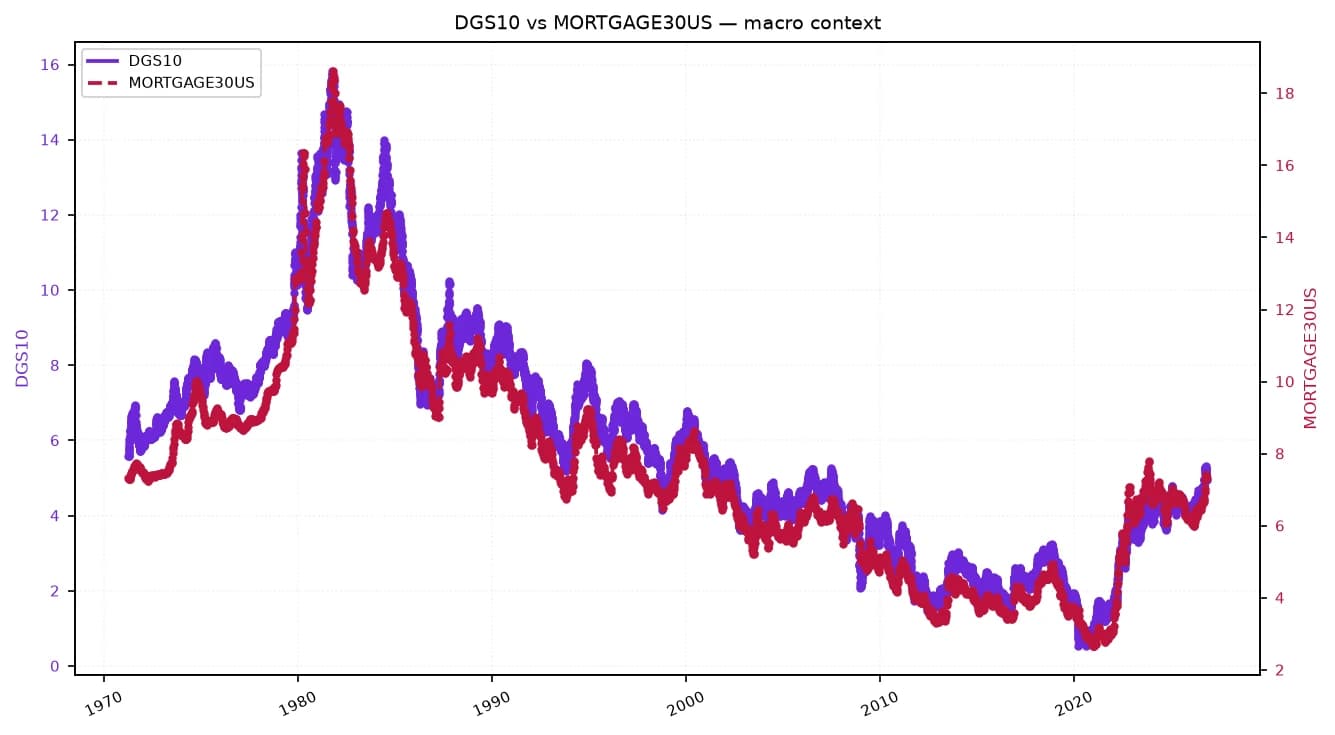
That warning matters because housing costs are once again dictating how households allocate cash, and the strain is becoming visible not just in repayment stress but in everyday consumption. In the U.S., the average 30-year fixed mortgage rate has climbed to 7.369%, according to the latest forecast in the data, extending a move that has pushed rates back near multi-decade highs. The shift comes alongside unemployment at 4.2% and real disposable personal income of 18,410.5 billion dollars in August, a mix that leaves many households employed but still constrained.
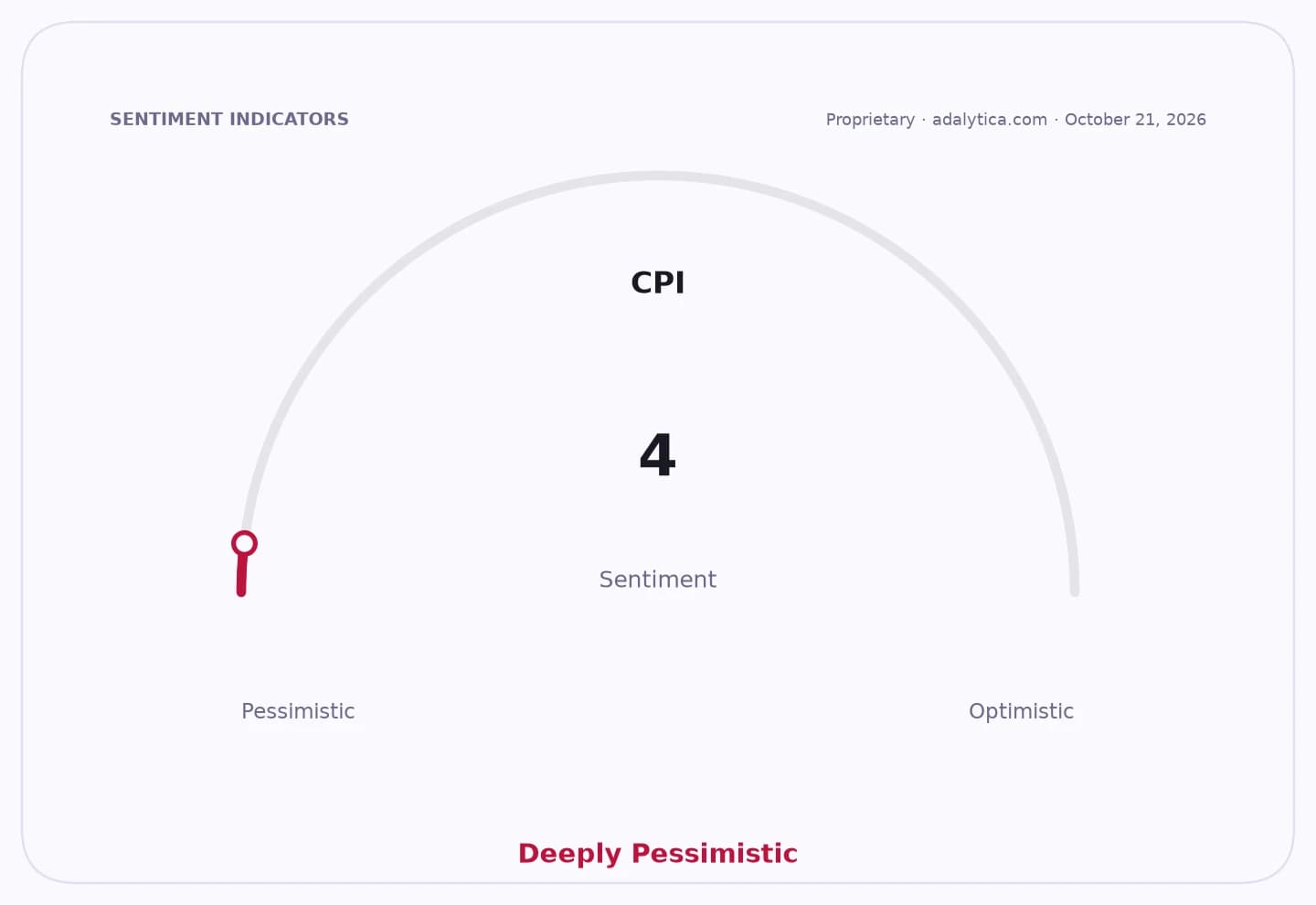
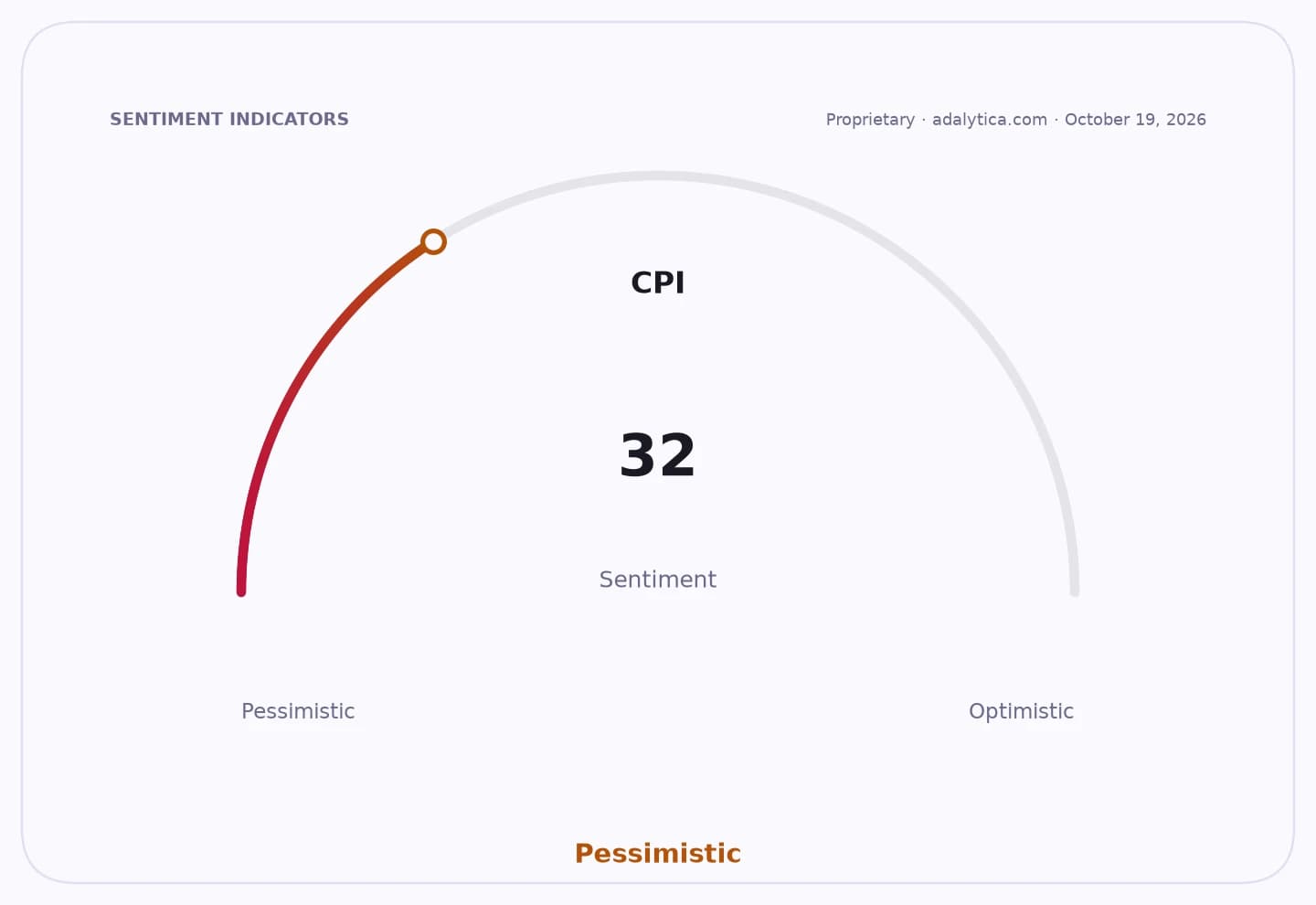
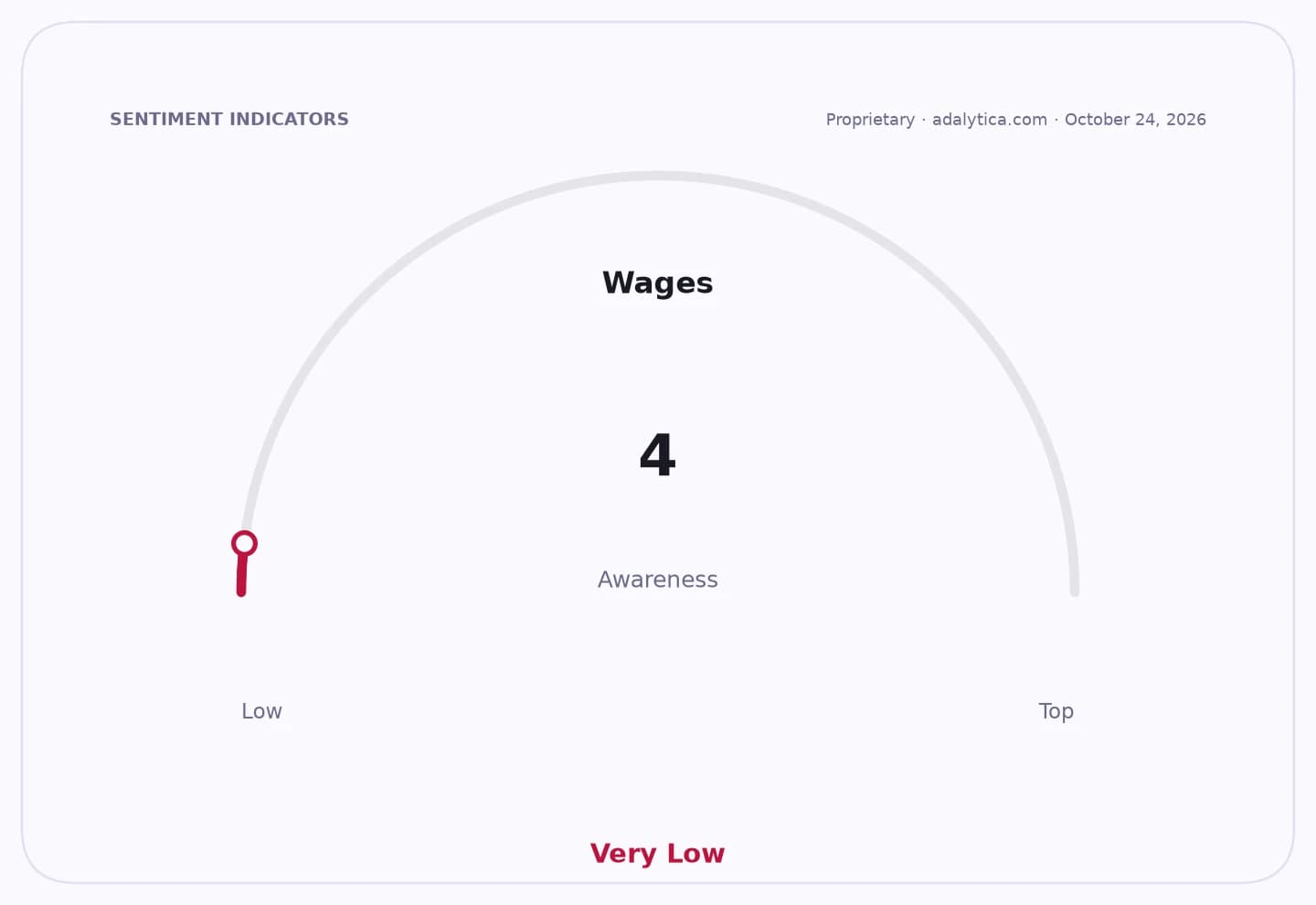
Sentiment IndicatorsⓘProprietary · adalytica.com · October 7, 2026
This is a snapshot — live sentiment, awareness and momentum for 130+ markets update continuously in the dashboard.Open AlphaPulse
Maria Ermilova, an economist quoted in the original report, said families with modest debt and savings can lift vacation spending to 15% to 20% of income, but if loans absorb 40% to 50% of income, travel costs should be trimmed to 5% to 10%. Above a 50% debt burden, she said, expensive trips should be postponed altogether. Her rule of thumb reflects a broader reality: when mortgages take precedence, discretionary spending becomes the buffer.
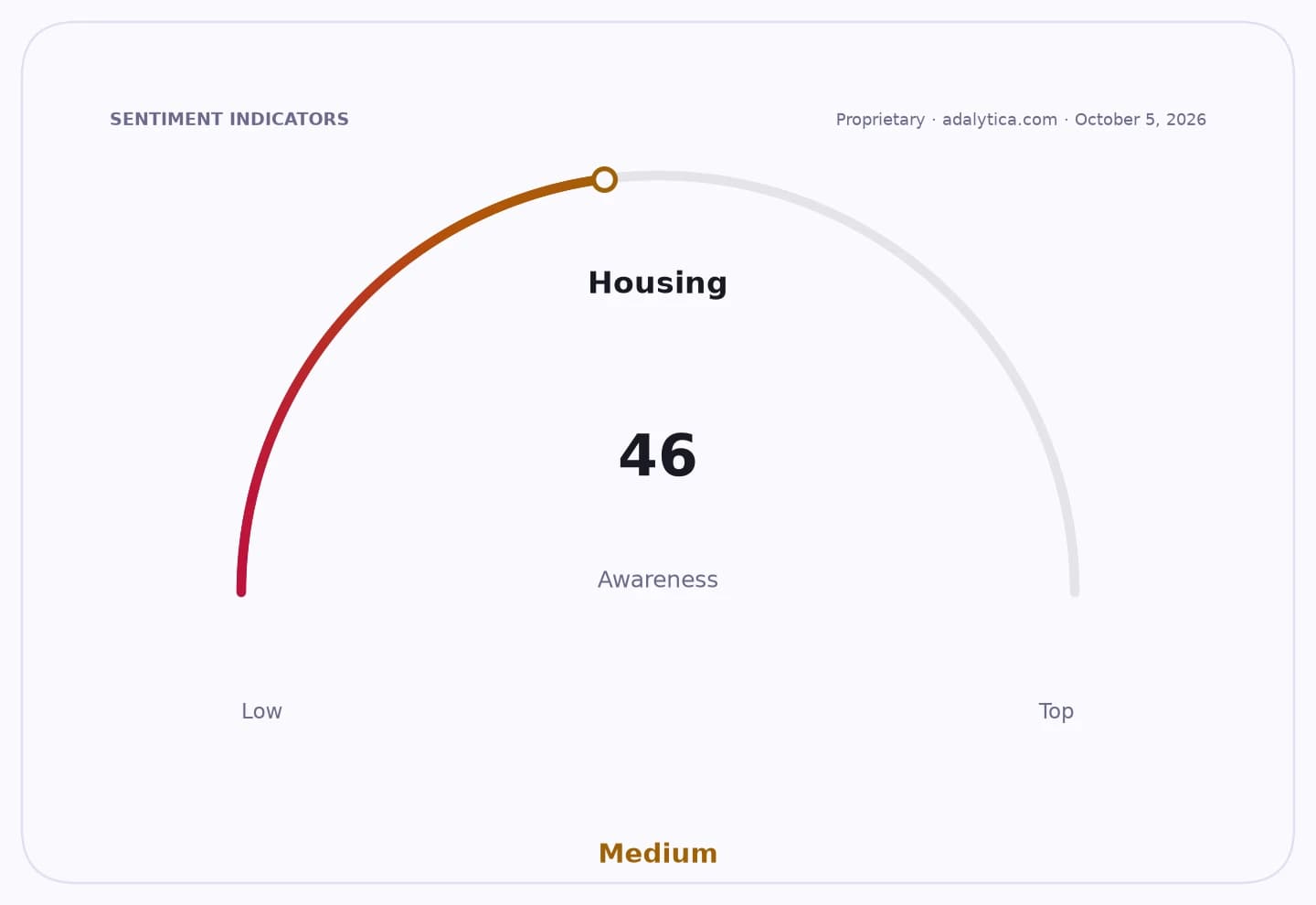
For investors, the message is that mortgage stress can ripple beyond housing into travel demand, retail spending and broader consumer activity. Adalytica’s Housing and Rent Inflation Sentiment gauge is flashing “Extreme Greed,” a sign that attention around housing costs is elevated and likely to stay that way as borrowers weigh fixed obligations against discretionary budgets. That dynamic matters for travel operators because vacations are often the first major expense households defer when repayment burdens rise.
The pressure is also visible in market behavior. Booking Holdings has fallen to 157.63 from more than 199 in early September, while Expedia has dropped to 260.07 from 265 and Marriott has held up better at 361.28 after a strong summer run. The divergence suggests investors are already separating operators with more pricing power or business mix resilience from those more exposed to softer discretionary demand. Technical indicators on Booking and Expedia remain weak, with both trading below their 50-day averages and showing oversold RSI readings, underscoring how quickly sentiment can unwind when consumers get more cautious.
The macro backdrop explains why this matters now. Higher mortgage payments effectively act like a tax on consumption, especially for first-time buyers and leveraged households. In Australia, nearly one in four new home loan borrowers opted for interest-only mortgages in the June quarter, underlining how borrowers are trying to ease cash-flow pressure. That kind of behavior can preserve housing stability in the short term, but it does so by crowding out spending elsewhere.
For investors, the key question is whether elevated mortgage rates become sticky enough to restrain travel and leisure demand into the next booking season. If they do, the winners will be the companies serving higher-income, less rate-sensitive customers, while the losers are likely to be the broad-market leisure names most dependent on middle-income discretionary spending.
| Entity | Gains | Losses |
|---|---|---|
| Lenders | ▲Higher interest income | ▼Slower loan growth if stress rises |
| Households with low debt | ▲More room for travel spending | ▼Higher living costs indirectly |
| Highly leveraged borrowers | ▲Short-term cash-flow relief from cutting vacations | ▼Discretionary spending and holiday plans |
| Travel companies | ▲Premium operators with resilient demand | ▼Mass-market booking platforms |