Oxford Economics’ call for higher inflation in Mozambique next year matters because it points to a country where prices are already vulnerable to imported shocks, and where another inflationary leg up would hit household spending, policy credibility and the investment case for one of southern Africa’s more fragile economies.
Mozambique Inflation Risk Raises Policy and Consumer Pressure

For investors, the key issue is not just whether consumer prices rise, but why they rise. Mozambique is exposed to swings in global food and fuel costs, and the latest backdrop still leaves those forces very much alive. Brent oil has been trading in the mid-$80s a barrel in recent sessions after a volatile stretch, while U.S. 10-year yields are holding near 4.7%, a reminder that global financing conditions remain tight. In economies like Mozambique, where import dependence is high and buffers are limited, that combination can quickly feed through to transport, food and other essentials.
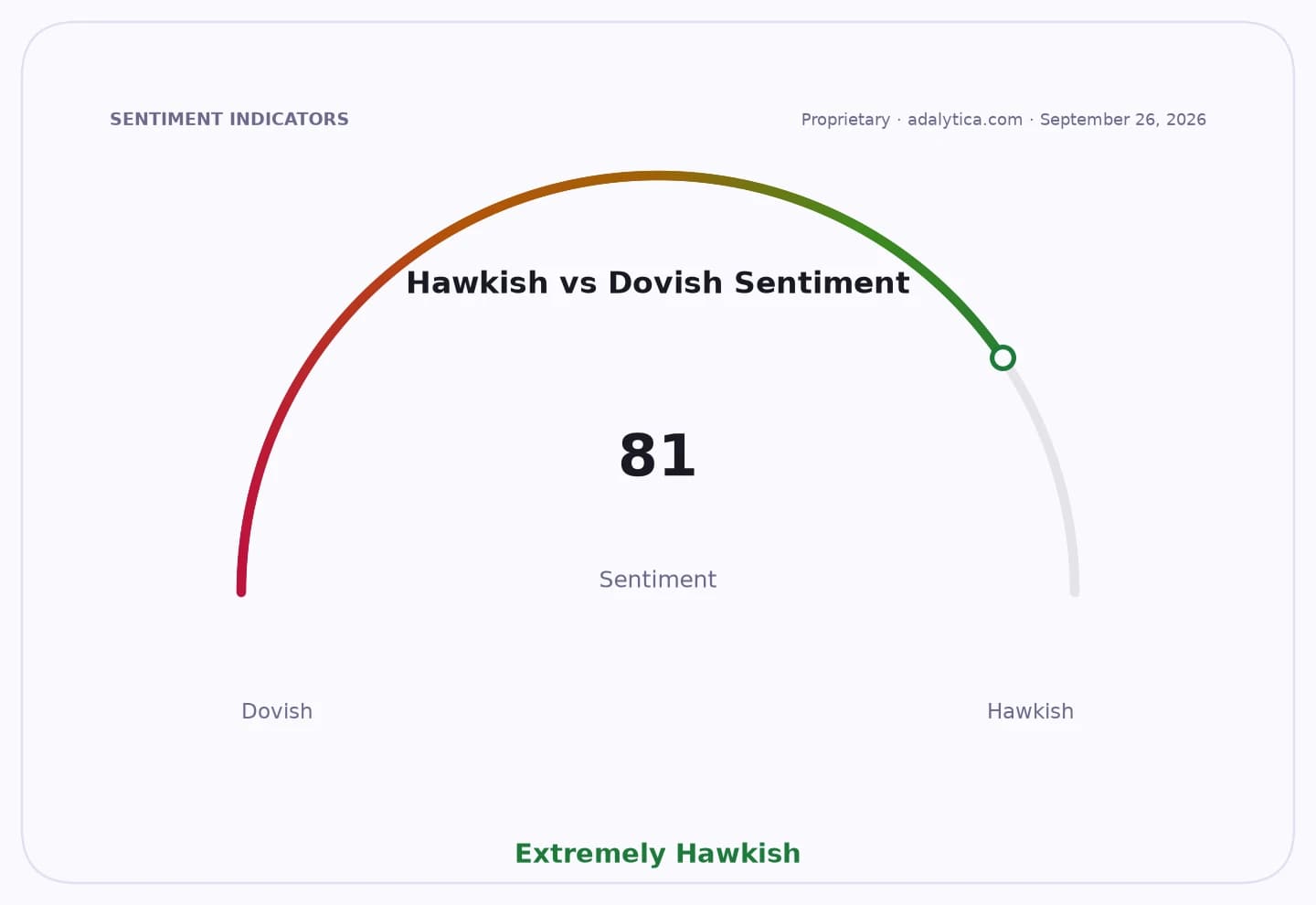
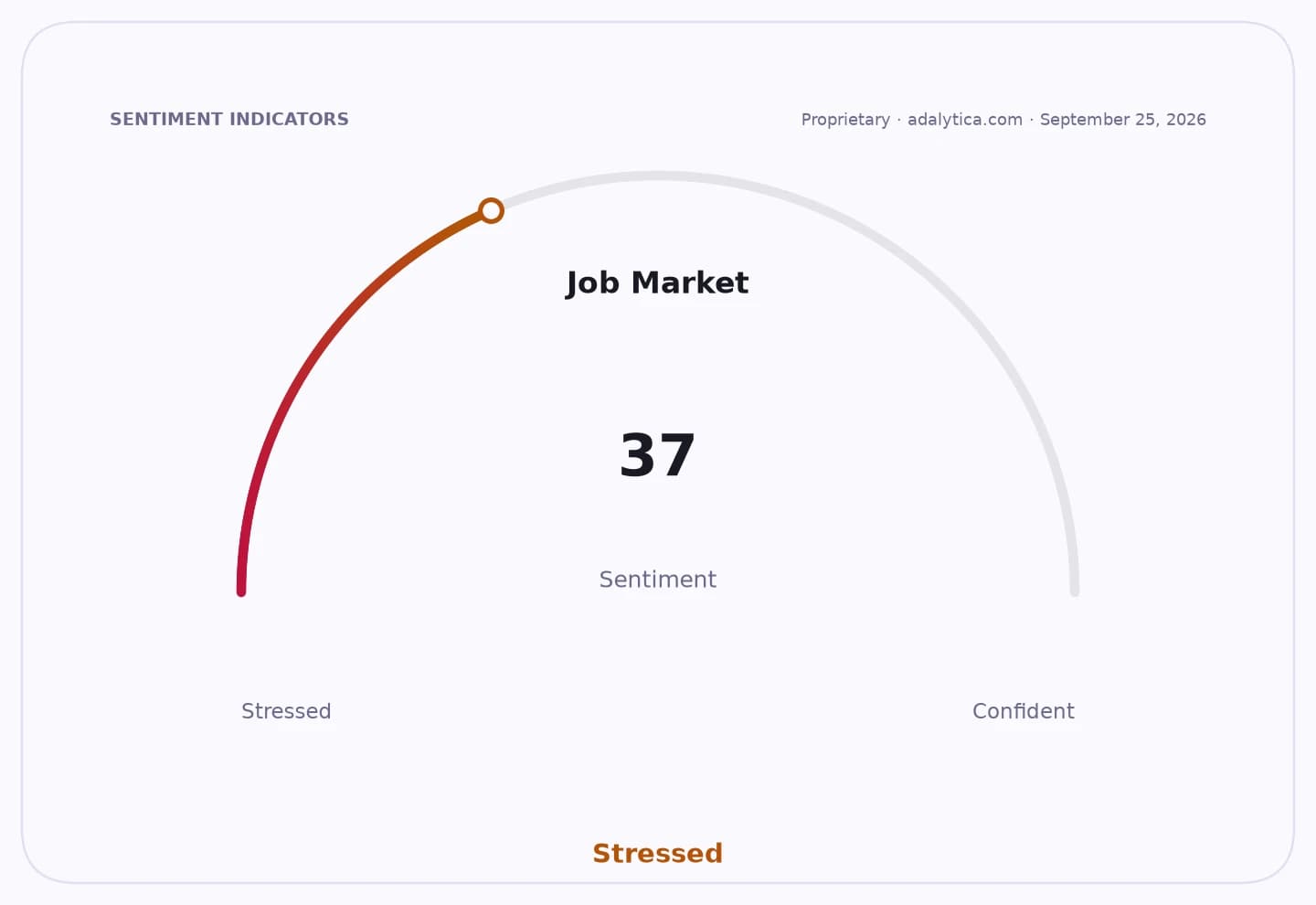
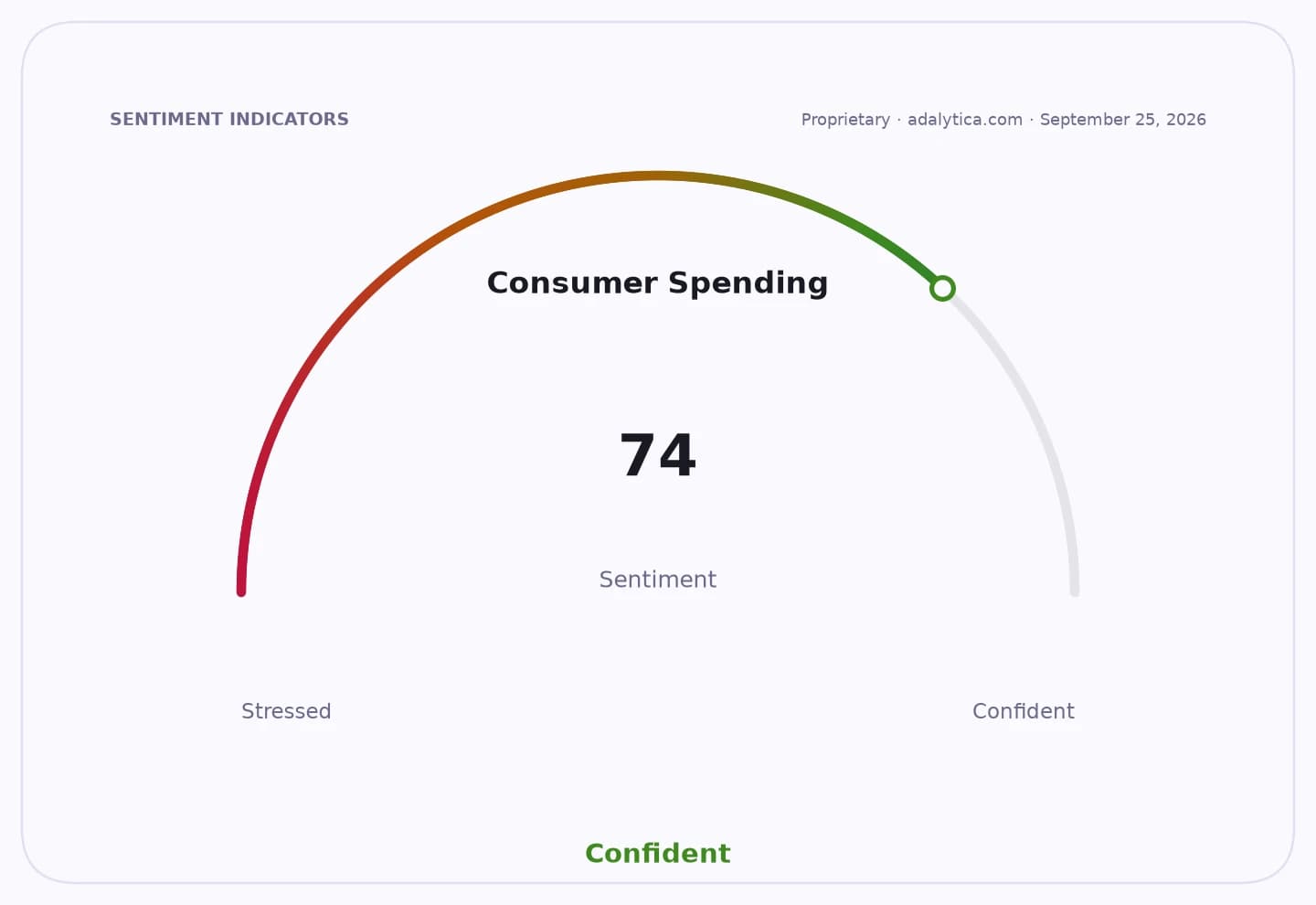
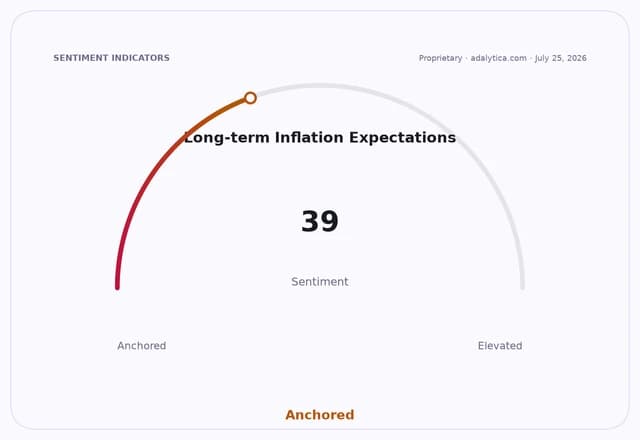
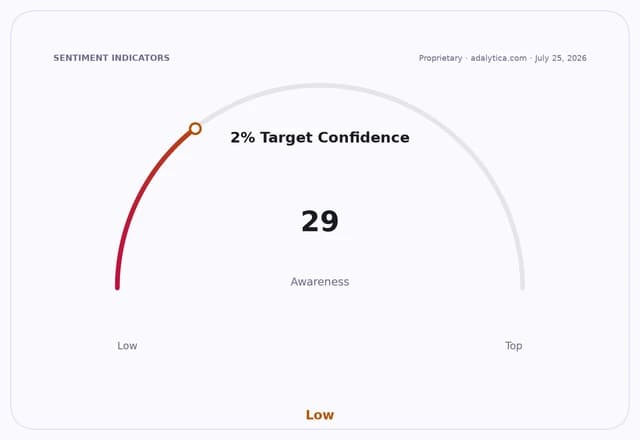
Sentiment IndicatorsⓘProprietary · adalytica.com · July 25, 2026
This is a snapshot — live sentiment, awareness and momentum for 130+ markets update continuously in the dashboard.Open AlphaPulse
That makes higher inflation economically important in a very direct way. When prices accelerate faster than incomes, real purchasing power shrinks, consumption softens and businesses face more pressure on margins. For a country already dealing with political unrest after elections and security concerns in the north, inflation can amplify social strain and complicate policy choices. Central bankers and fiscal policymakers are then forced to choose between protecting growth and defending stability, usually with limited room to maneuver.
The broader regional response also matters. Mozambique and South Africa have agreed to deepen operational coordination against organized crime and drug trafficking, part of a wider effort to improve stability. That kind of cooperation can help at the margin by strengthening border control and law enforcement, but it does not offset the immediate macro risk created by rising prices. Investors tend to pay up for predictability; inflation does the opposite.
Long-term Inflation Expectations — 30-day sentimentadalytica.com
Explore this data interactively — full history, time series and cross-market comparisons.Open AlphaPulse
The message for long-term investors is straightforward: in markets like Mozambique, inflation is not just an economic statistic, it is a signal about real returns, policy risk and the durability of growth. If Oxford’s estimate proves right, the winners are likely to be exporters and firms with hard-currency revenue or pricing power, while households, importers and local borrowers could feel the squeeze. For anyone with exposure to the region, this is worth watching closely over the next several quarters.
| Entity | Gains | Losses |
|---|---|---|
| Exporters with hard-currency revenues | ▲Better local cash conversion | ▼ |
| Local consumers | ▲ | ▼Lower purchasing power |
| Importers and retailers | ▲ | ▼Higher input costs |
| Mozambique policymakers | ▲ | ▼More pressure on stability |