NatWest Group raised its 2026 guidance and said it will bring forward share-buyback plans, a move that points to stronger-than-expected capital generation and gives investors another sign that UK lenders are still converting high rates into cash returns.
NatWest Group lifts 2026 guidance, ускорates buybacks
The announcement matters because buybacks are one of the clearest ways banks can show confidence in earnings quality and excess capital, especially after years of tighter regulation and balance-sheet repair. For NatWest, accelerating repurchases suggests management sees enough cushion above regulatory requirements to return more money without jeopardizing lending capacity or dividend flexibility.
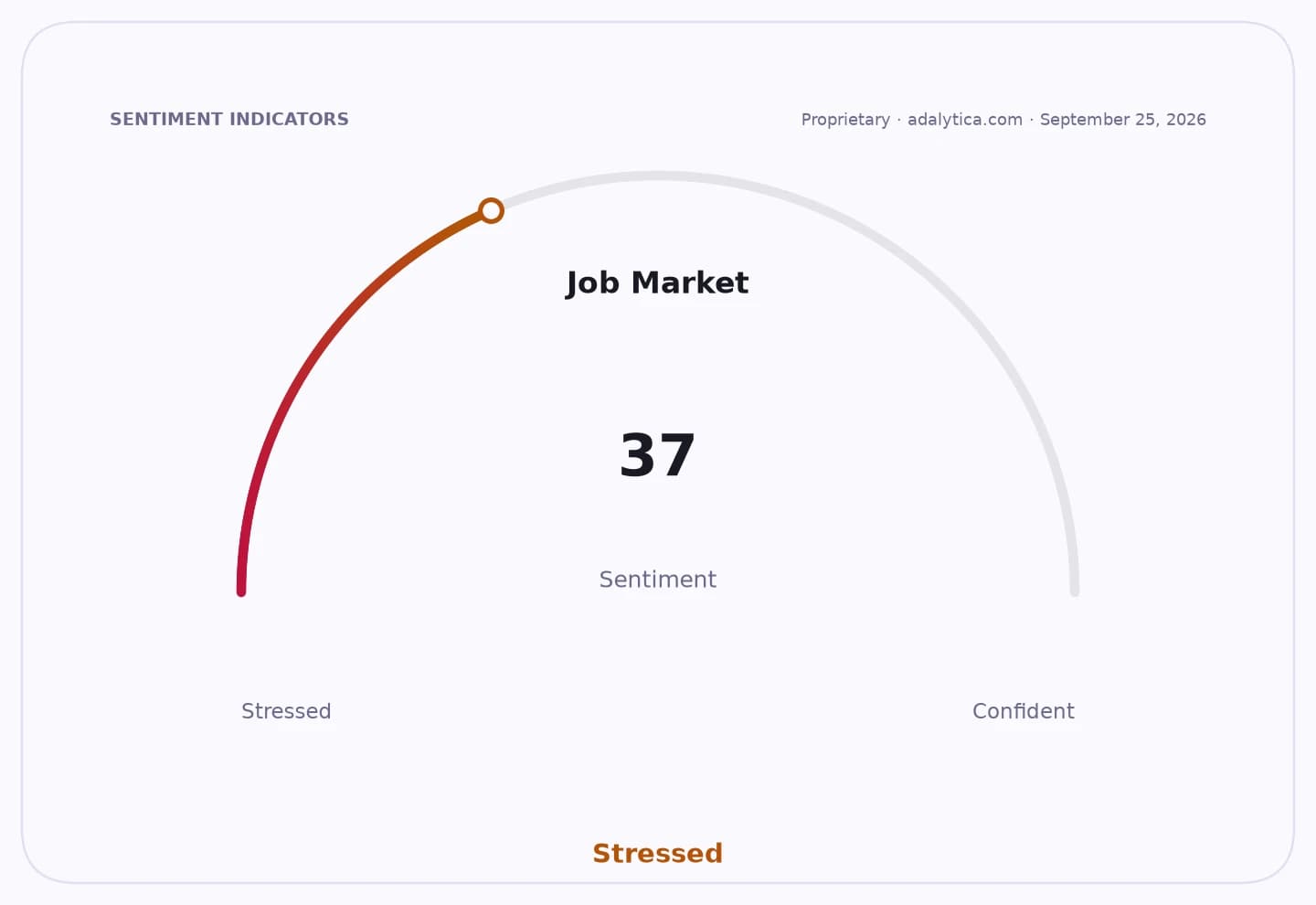
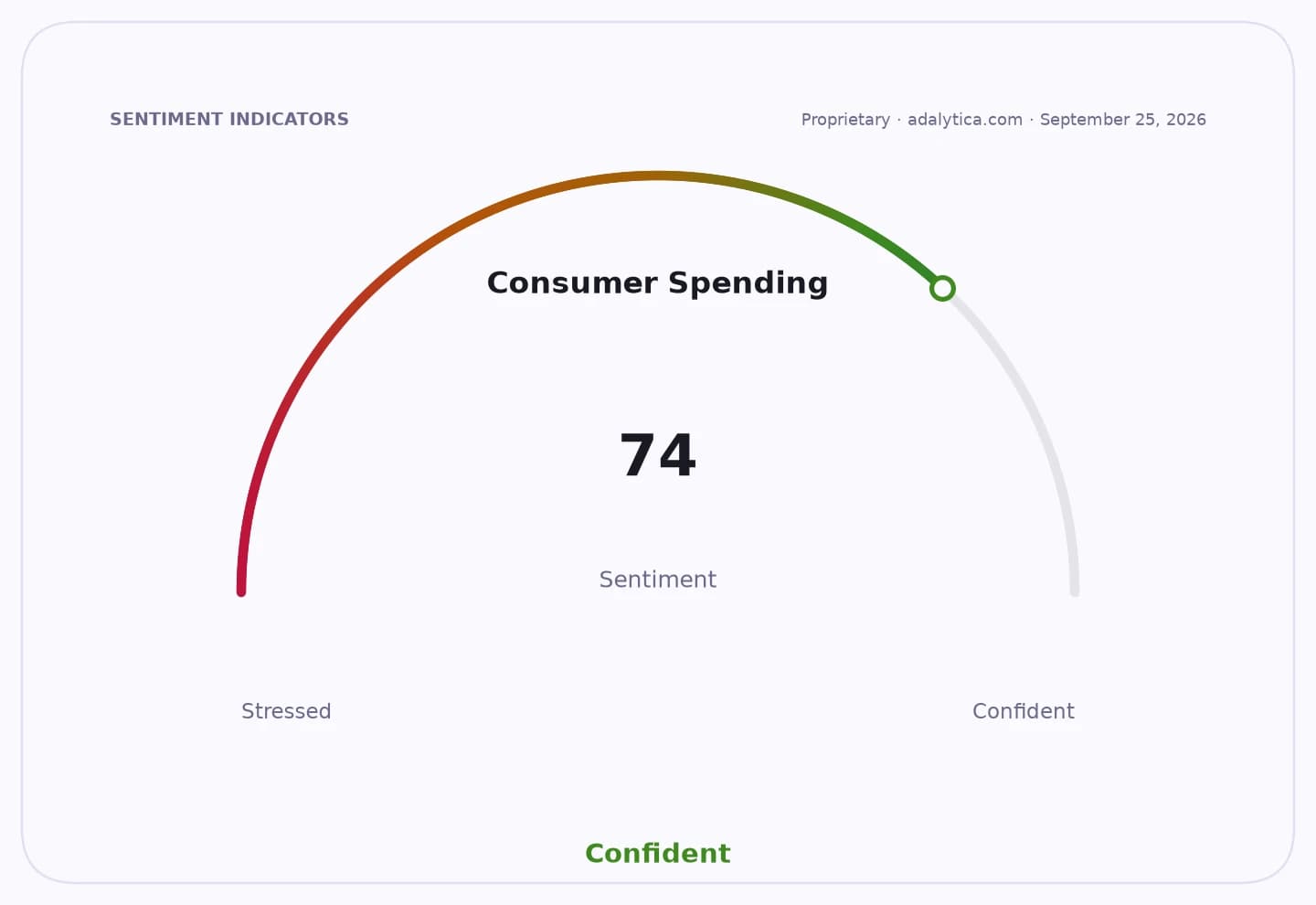
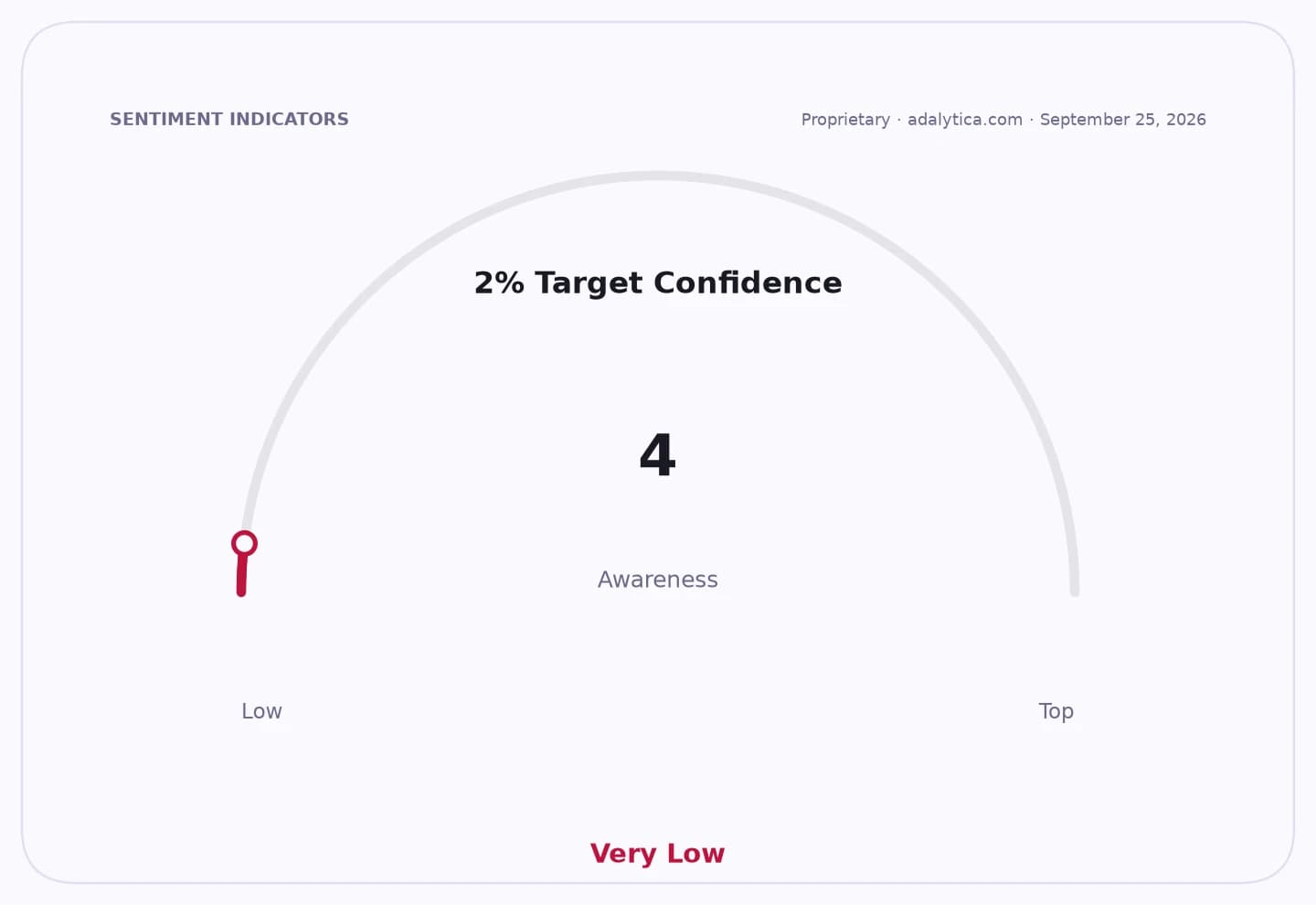
Sentiment IndicatorsⓘProprietary · adalytica.com · July 31, 2026
This is a snapshot — live sentiment, awareness and momentum for 130+ markets update continuously in the dashboard.Open AlphaPulse
The market has been rewarding that kind of message. NatWest shares closed at 18.93 on Friday, up from 17.58 two days earlier and well above the 50-day moving average of 17.09, with the stock also sitting above its 200-day average of 16.08. The move has come alongside a broader risk-on tone in equities, with Adalytica’s S&P 500 trade-signal snapshot showing “Greed” and “Extreme Greed” awareness, while Treasury-bond signals also pointed to elevated market attention on rates and capital allocation.
For investors, the key question is whether NatWest’s capital return acceleration reflects a one-off earnings beat or a more durable improvement in profitability. Bulls will argue that the bank is benefiting from resilient net interest income, disciplined costs and a still-supportive UK banking environment, allowing it to lift guidance and reduce share count faster than expected. Bears will point out that higher buybacks can be easier to announce when earnings are strong, but can become less attractive if loan growth slows, margins compress or credit costs rise later in the cycle.
The move also fits a wider pattern across financial services, where large firms are using excess profits to increase distributions rather than chase aggressive expansion. That trend has been visible across European and global corporates as well, with banks and other cash-generative companies leaning on buybacks to bolster total shareholder returns.
For NatWest, the near-term catalyst is whether the revised outlook translates into another step-up in payouts at future reporting dates. If it does, the stock’s re-rating could extend; if the upgrade proves temporary, the share-price response may fade once investors turn back to the durability of earnings and the path for UK rates.
| Entity | Gains | Losses |
|---|---|---|
| NatWest shareholders | ▲Faster capital returns | ▼Less retained capital |
| NatWest management | ▲Credibility on guidance | ▼Higher bar for future earnings |
| UK bank bulls | ▲Stronger payout case | ▼Fewer cheap valuation arguments |
| Potential short sellers | ▲— | ▼Share-buyback support |