Nedbank is still working through a rise in bad consumer debt, but the lender says the pressure may be nearing a peak as South African households struggle with floating home loan rates that have climbed to about 14% to 16%.
Nedbank says South African consumer debt pressure may peak

That matters because consumer credit quality is one of the clearest gauges of how much pain higher-for-longer interest rates are inflicting on the real economy. When borrowers start missing payments or abandoning purchases at the last minute, banks face higher impairment charges, weaker loan growth and tighter underwriting, while households pull back on spending to preserve cash for debt service.
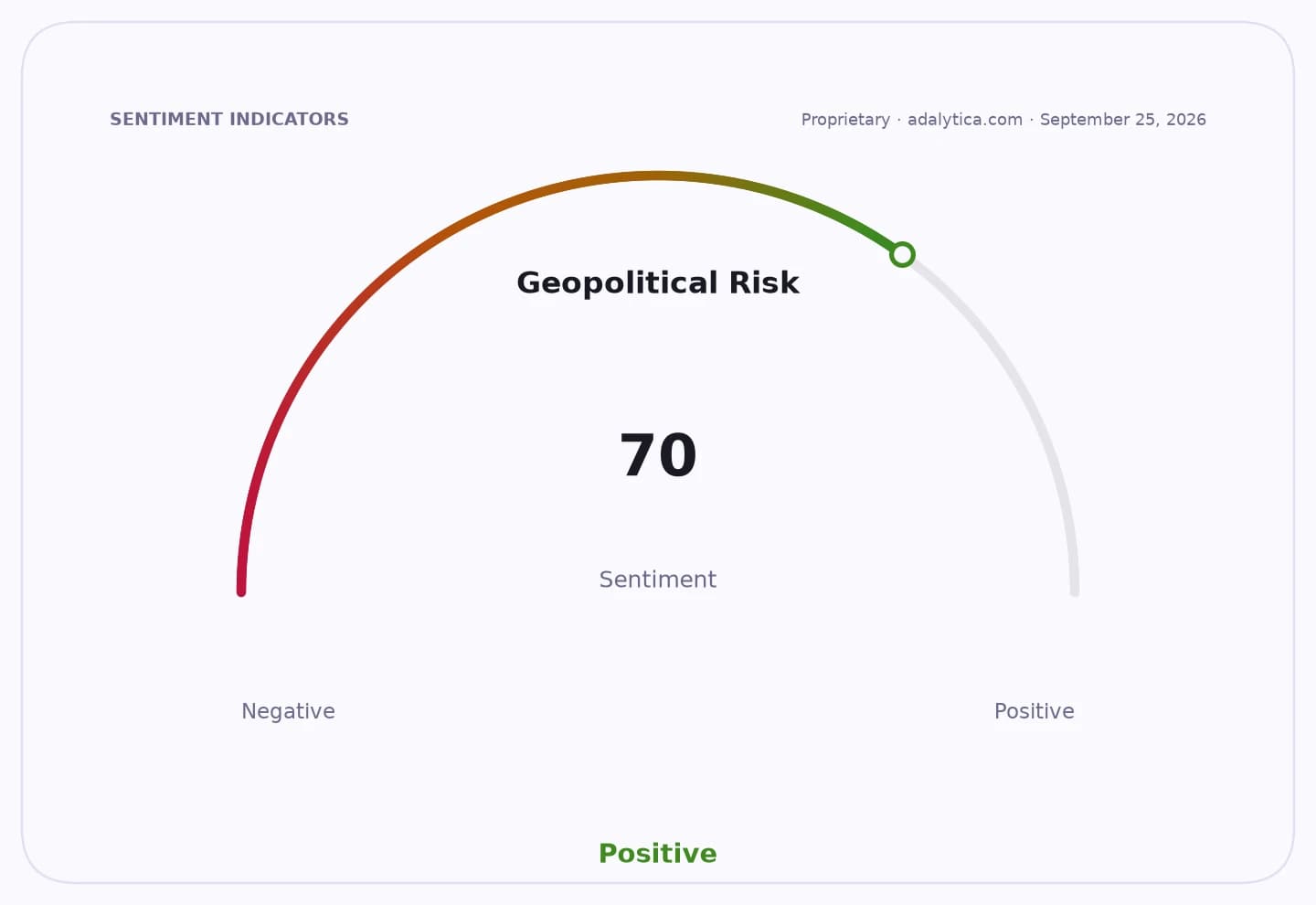
Sentiment IndicatorsⓘProprietary · adalytica.com · August 4, 2026
This is a snapshot — live sentiment, awareness and momentum for 130+ markets update continuously in the dashboard.Open AlphaPulse
The strain is being driven by the expiry of preferential mortgage pricing and the persistence of elevated floating rates, which have pushed monthly repayments sharply higher for many homeowners. Some borrowers are responding by cutting discretionary spending, while others are being forced to sell assets just to stay current. For Nedbank, that means more credit stress in a core retail book even as management’s tone suggests the worst phase of the cycle may be passing.
For investors, the key issue is whether credit losses have already peaked or whether the current relief is premature. If household balance sheets are stabilizing, Nedbank could see some moderation in provisions and a better earnings trajectory in coming quarters. If rates stay restrictive for longer, the bank may still face a lagging wave of defaults, especially in mortgages and other consumer lending.
The broader signal is that South Africa’s rate-sensitive households remain under pressure even as markets look for signs of resilience. That creates a split view for the sector: lenders with disciplined risk management and strong capital buffers may emerge with share, while those more exposed to consumer stress could remain trapped in a slow recovery. Much now depends on whether borrowing costs ease, wages hold up and borrowers continue to resist slipping into arrears.
| Entity | Gains | Losses |
|---|---|---|
| Nedbank | ▲Lower if losses peak | ▼Higher provisions, weaker lending |
| South African borrowers | ▲Any rate relief | ▼Higher repayments, asset sales |
| Banking sector peers | ▲Better risk outcomes if cycle turns | ▼Credit stress if defaults spread |
| Retail economy | ▲Support from easing debt burden | ▼Slower spending from deleveraging |