Nepal’s consumer inflation accelerated to 6.34% in mid-September, more than triple the 1.87% rate a year earlier, tightening pressure on households and adding to the case for a cautious policy stance from the central bank.
Nepal inflation rises to 6.34% in mid-September
Wages
The jump matters because it is being driven by food and transport costs rather than one-off noise, raising the risk that higher prices spread through the broader economy. Nepal Rastra Bank said the rise was fueled largely by food inflation and supply disruptions after floods and landslides damaged key roads, including stretches of the Prithvi Highway and corridors in Kavrepalanchok, Sindhupalchok, Ilam, Rasuwa, Rukum West and Lamjung.
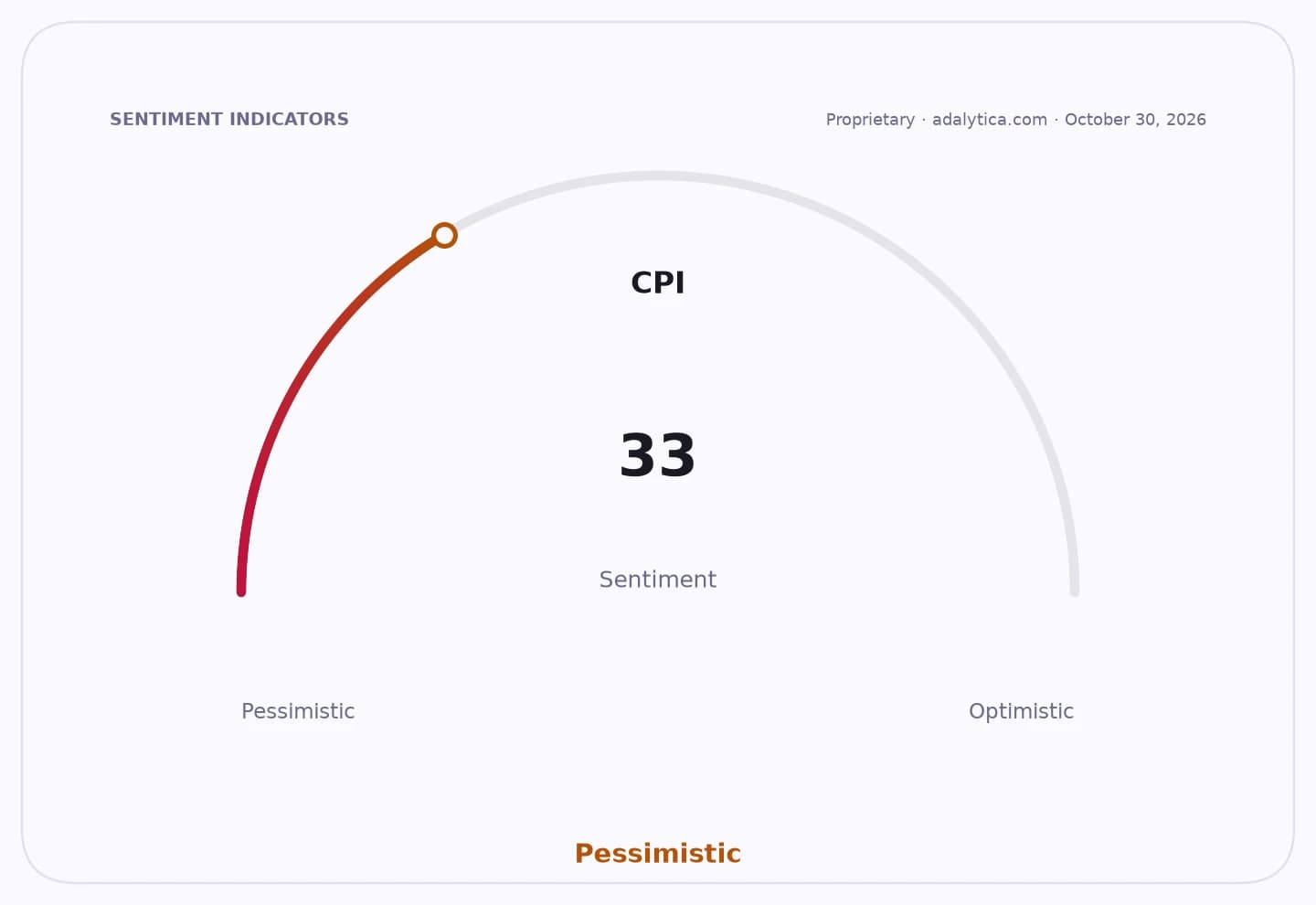
Sentiment Indicators
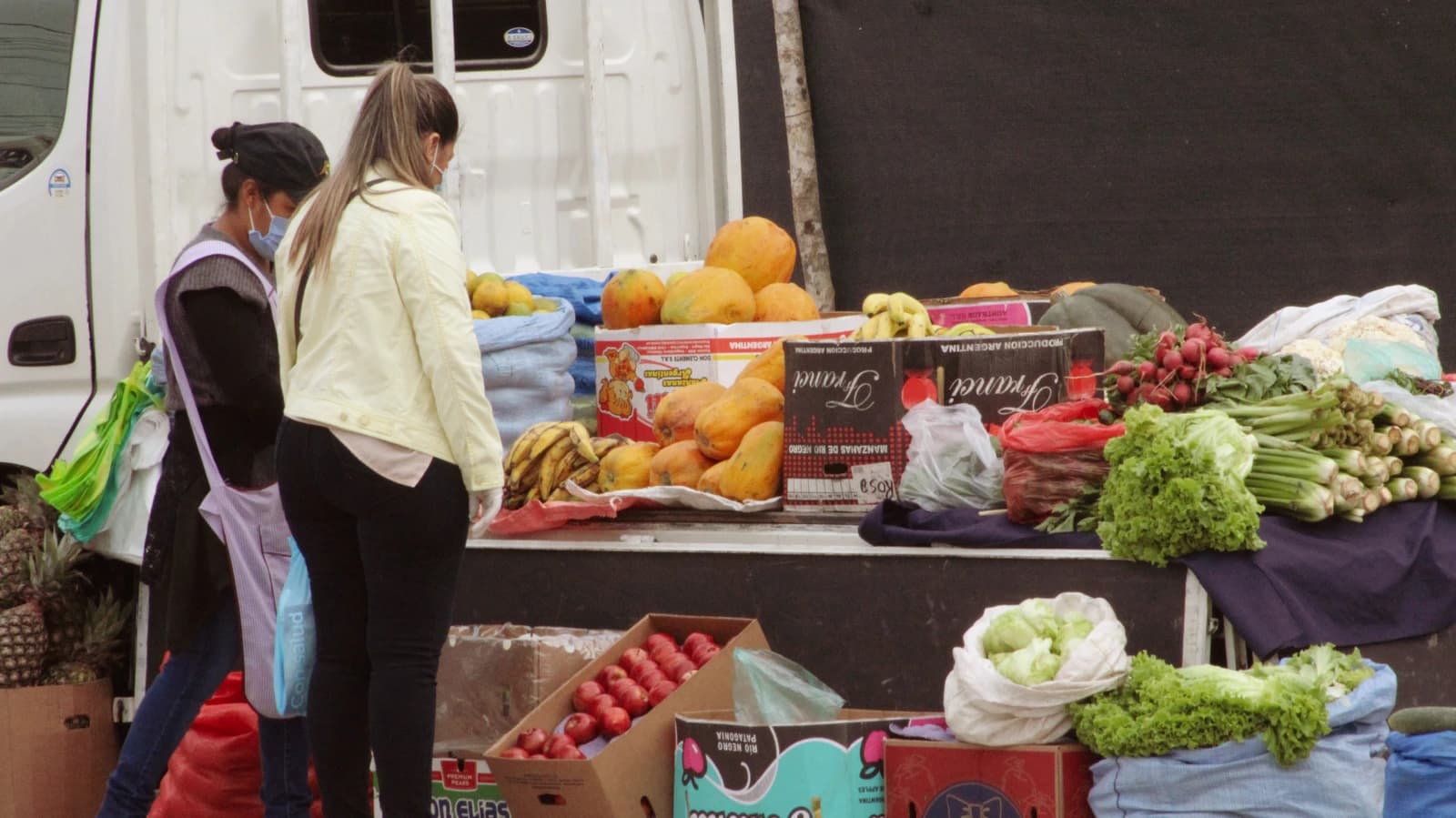
Food and beverage inflation climbed to 5.69% from a 1.34% decline a year earlier, with ghee and oil up 16.68%, fruits 15.99%, sugar and sugar products 12.14% and vegetables 7.07%. Non-food and services inflation also picked up to 5.69%, led by transportation at 12.77%, while rural inflation at 6.78% ran above the 6.19% pace in urban areas.
The regional split underscores how uneven the shock is. Madhesh Province posted the highest inflation rate at 7.48%, while Sudurpashchim was the lowest at 5.16%; the Tarai as a whole recorded 6.89%.
For investors, the key issue is whether the price spike proves temporary or feeds into expectations and wages. Adalytica’s gauge on confidence in the Federal Reserve’s 2% inflation target shows “Extreme Greed,” while its long-term inflation expectations reading remains in “Extreme Fear,” reflecting how sharply market sentiment can swing when price pressure reaccelerates.
Nepal’s central bank will now be under scrutiny for how long it can tolerate firmer inflation if food supply routes stay disrupted. The next readings on food prices and transport costs will determine whether September marks a one-month weather shock or the start of a broader inflation upswing.
| Entity | Gains | Losses |
|---|---|---|
| Food producers and traders with inventory | ▲Higher selling prices | ▼Consumers facing pricier staples |
| Transport operators | ▲Higher tariff power | ▼Households and businesses using roads |
| Inflation-linked assets/defensive positions | ▲Better hedge appeal | ▼Rate-sensitive borrowers |
| Nepal Rastra Bank | ▲More room to justify vigilance | ▼Policy flexibility if inflation persists |