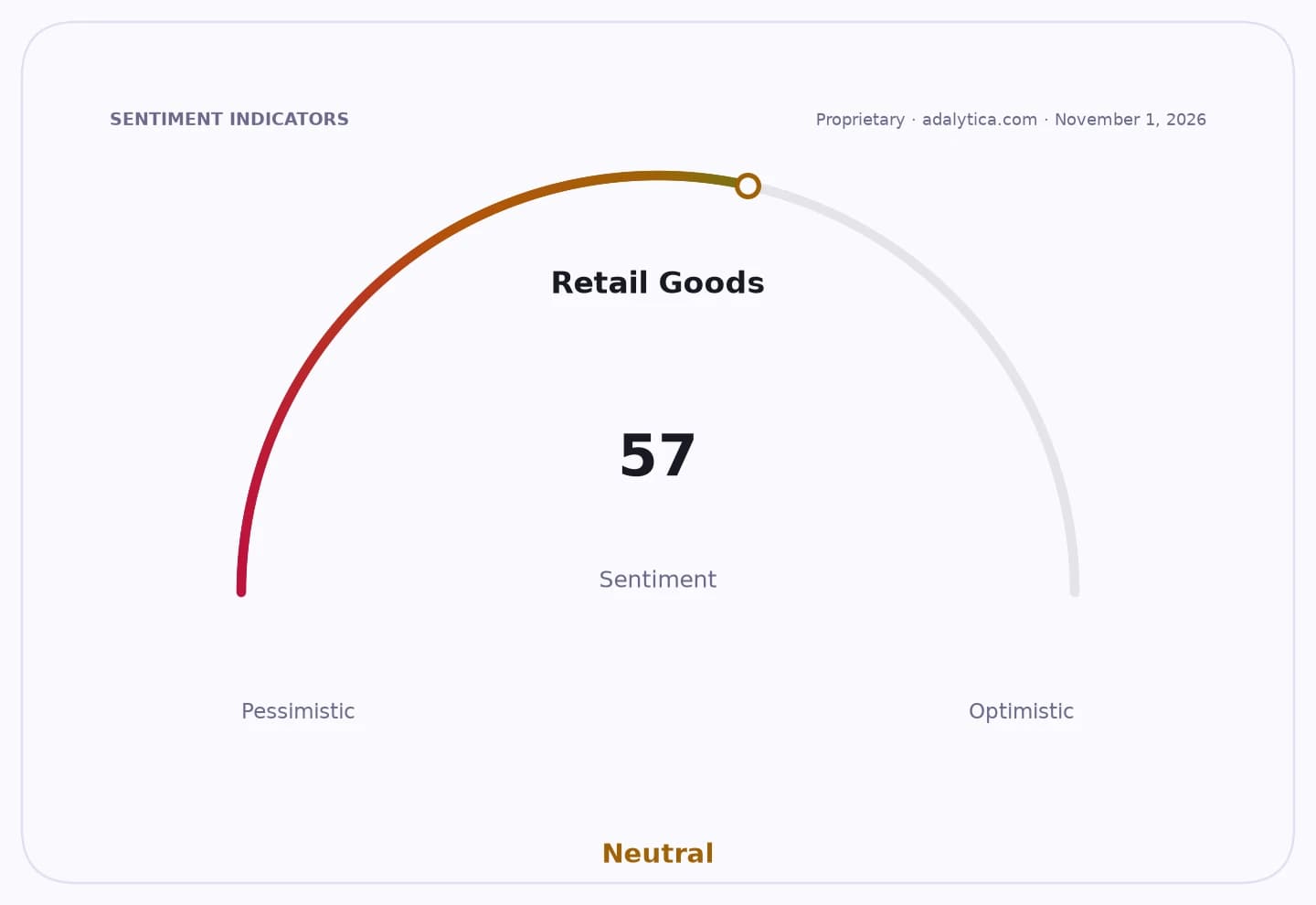
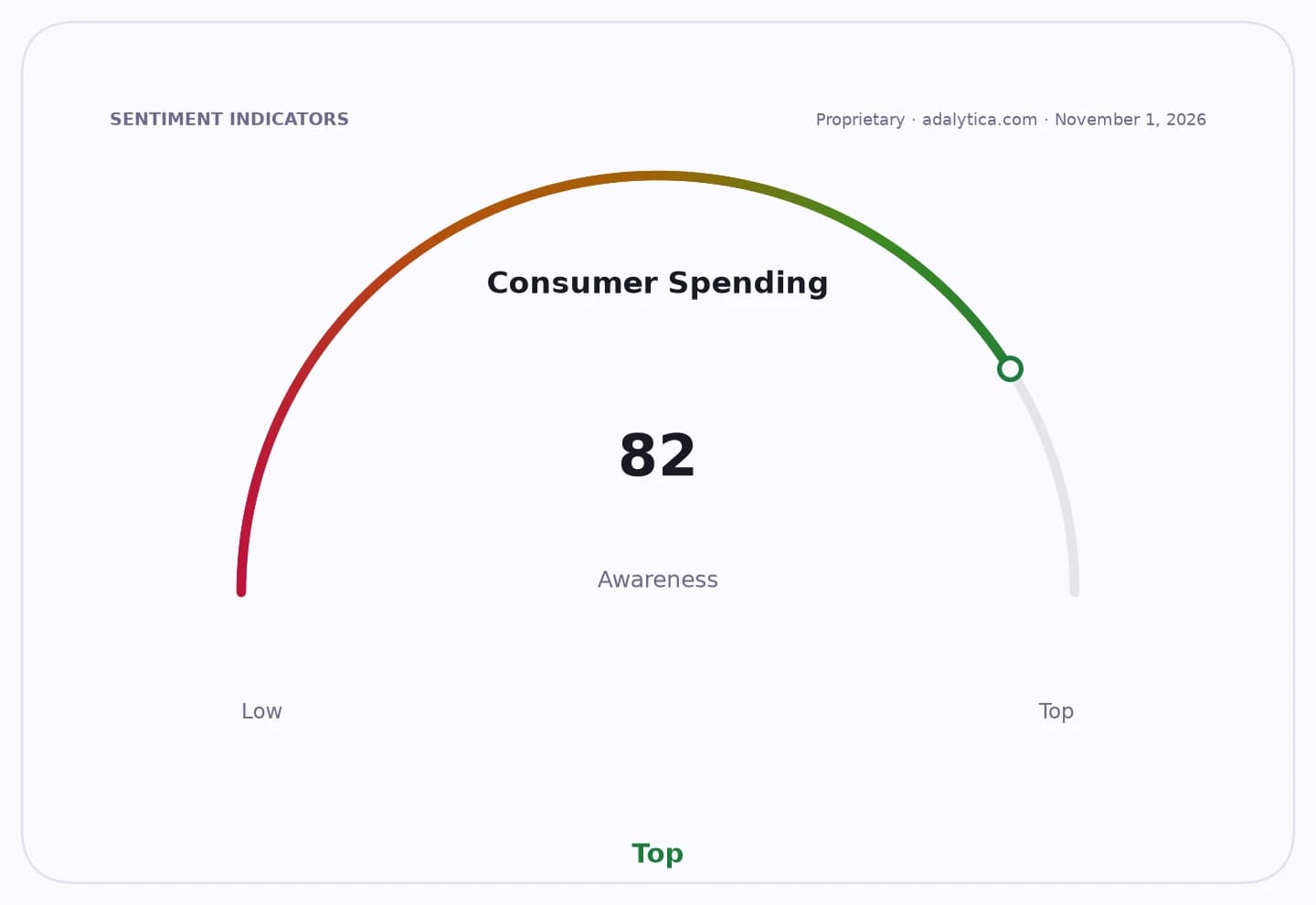
Households can improve their bank balances fastest by cutting the hidden leakages that now sit alongside higher debt, rising insurance and stubborn subscription costs, a reminder that the biggest threat to savings is often not one large bill but a steady drip of small ones.
New Zealand households cut hidden spending leaks

That is the central message in a practical money guide that lands at a time when New Zealand consumers are already carrying substantial leverage: consumer and personal debt stands at $24 billion, credit card balances at $7.1 billion and residential mortgage debt at $348 billion. In that context, the article’s advice to track every payment, negotiate harder on major costs and avoid buying on impulse is less about thrift for its own sake than about protecting household cash flow in an economy where marketing pressure, higher borrowing costs and fee creep can quickly overwhelm budgets.
The most economically important theme is the way small discretionary spending compounds into larger financial stress. Coffee, convenience purchases, gaming add-ons, streaming subscriptions and automatic payments may look harmless in isolation, but collectively they can drain disposable income that would otherwise go to savings or debt reduction. That matters because even modest monthly overruns can leave households more exposed to rate resets, job losses or unexpected costs, forcing them into more expensive forms of borrowing.
The article also highlights a broader shift in consumer credit behavior, particularly the rise of buy now, pay later. Around 23% of Kiwis use BNPL, according to the Financial Markets Authority’s 2025 Good Cents report, underscoring how short-term financing has become embedded in everyday spending. For investors, that is relevant not only for BNPL providers but also for banks, lenders and retailers: the more households rely on split-payment products for non-essentials, the greater the risk of missed payments, fee income volatility and eventual credit stress.
There is a clear divide between households that can absorb inflation in services and insurance and those that cannot. On the one hand, the piece points to obvious savings levers: comparing power and phone plans, renegotiating mortgages, trimming insurance excesses, using second-hand goods and renting out spare rooms. On the other hand, it shows how easily these gains can be erased by debt service, car costs, travel expenses or fines. The message for lenders is that customer affordability is increasingly determined by a wide range of small recurring charges, not just the headline mortgage rate.
That matters for investors because household discipline feeds directly into bank credit quality, retail spending and the durability of consumer demand. If more borrowers can be nudged to reduce unnecessary expenses, prepay mortgages or avoid high-cost credit, the benefits should show up in lower arrears and more resilient balance sheets. If not, the pressure will accumulate in credit cards, personal loans and BNPL books, where stress tends to emerge first.
The article’s emphasis on budgeting tools, discounts and side income also reflects an economy in which consumers are being asked to do more self-management. That creates opportunities for comparison platforms, budget advisers and discount programs, but it can also signal that households are already searching for relief. For markets, the key takeaway is that financial strain is increasingly diffuse: it is spread across utilities, telecoms, insurance, transport and discretionary consumption rather than concentrated in one obvious macro shock.
For now, the investment implication is straightforward. Defensive lenders, insurers and comparison-service providers may benefit from the push toward cost control, but the broader consumer sector remains vulnerable if households keep funding lifestyle spending with debt. The biggest winners will be borrowers who cut early and build buffers; the losers will be those who mistake small expenses for harmless ones until the monthly statement tells the real story.
| Entity | Gains | Losses |
|---|---|---|
| Households that budget tightly | ▲Higher savings, lower debt | ▼Less impulse spending |
| Banks and lenders | ▲Better repayment profiles | ▼Softer fee and credit growth |
| BNPL providers | ▲More transaction volume | ▼Higher default risk |
| Retailers and subscription services | ▲Ongoing consumer spend | ▼Consumers cutting recurring costs |