Australian data centre operator NEXTDC is tapping investors for A$795 million to finance the power-hungry infrastructure needed for artificial intelligence, underscoring how the AI boom is moving from chips and cloud software into physical capacity.
NEXTDC Raises A$795 Million for AI Data Centers

The raising matters because data centre operators sit at the bottleneck of the AI trade: without land, power and server halls, demand for compute cannot be converted into revenue. For NEXTDC, the capital injection should help fund expansion at a time when the industry is racing to secure electricity, construction capacity and long-dated customer commitments.
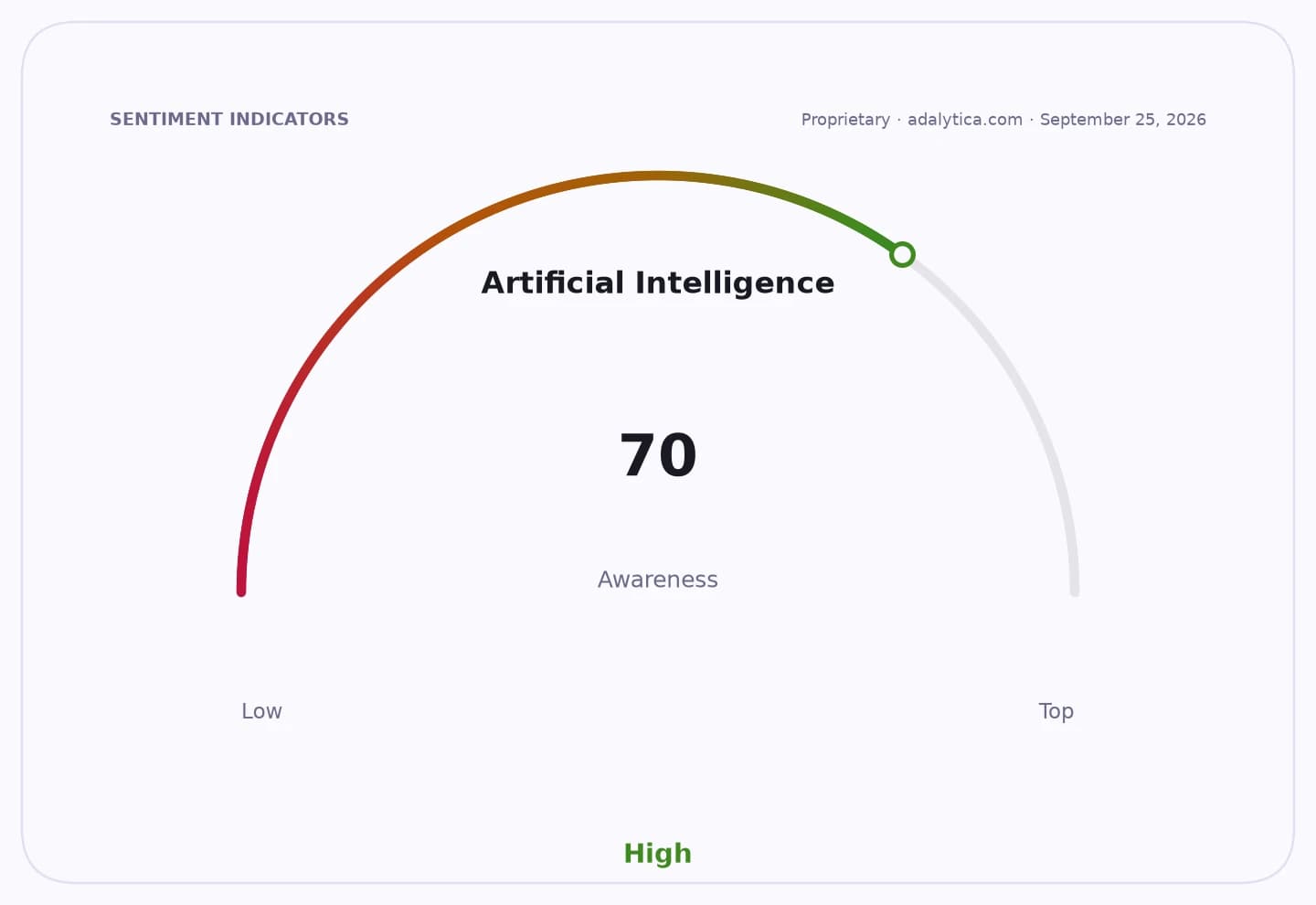
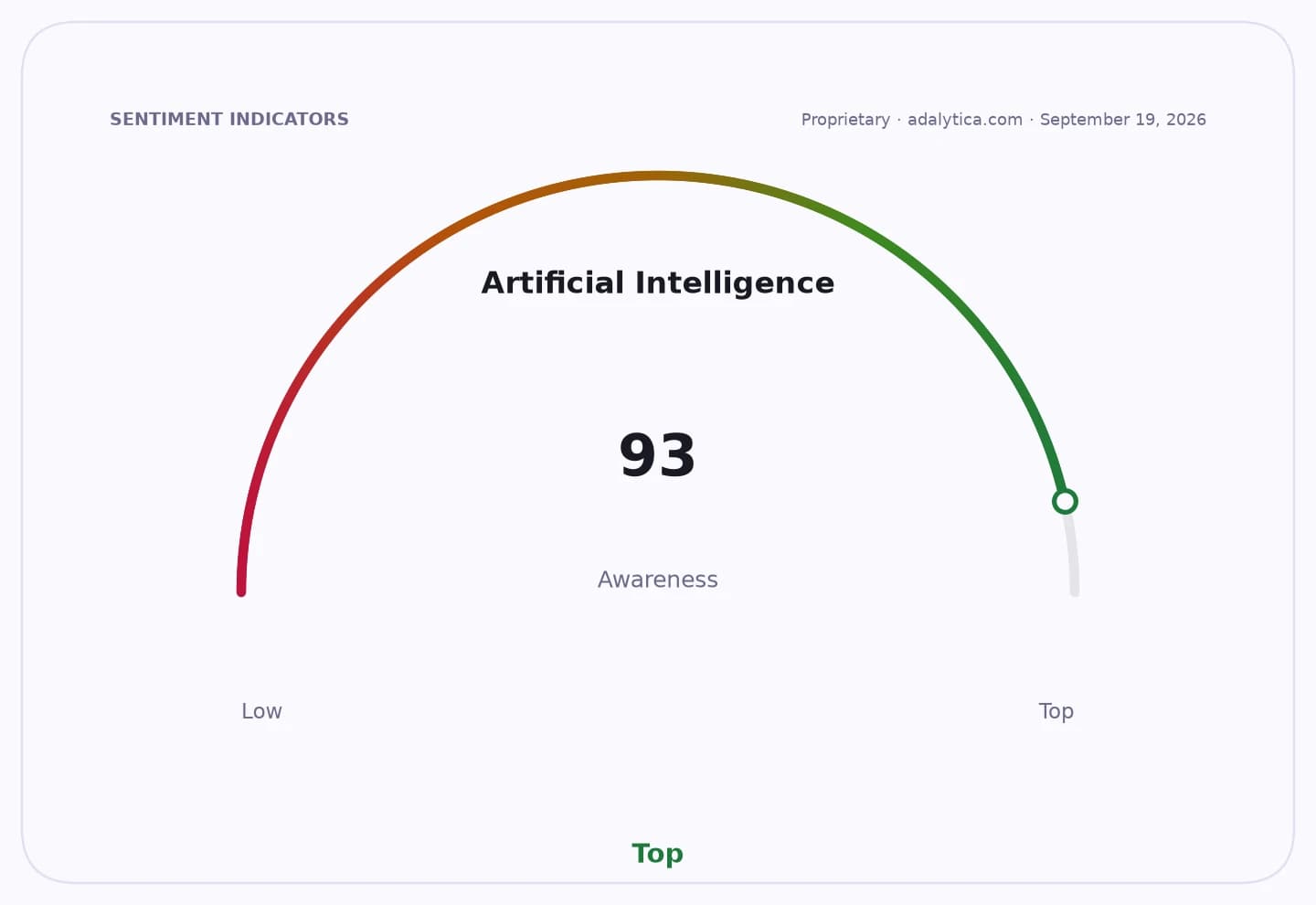
Sentiment IndicatorsⓘProprietary · adalytica.com · September 10, 2026
This is a snapshot — live sentiment, awareness and momentum for 130+ markets update continuously in the dashboard.Open AlphaPulse
The market has been rewarding the beneficiaries of that buildout, but it has also become more selective. NEXTDC shares have fallen to A$12.30, leaving the stock below both its 50-day and 200-day moving averages, after a sharp selloff in recent sessions. The move suggests investors are weighing execution risk, dilution and the cost of funding growth against the longer-term promise of contracted AI infrastructure demand.
That tension is familiar across the sector. Global cloud and chip leaders including Microsoft and Nvidia are still spending aggressively on AI capacity, with their filings warning that land, power and construction constraints can delay deployment and drive up costs. In that sense, NEXTDC is trying to capture a structurally favourable theme, but it is also exposed to the same capital intensity that is squeezing returns across the supply chain.
The company’s shares have shown signs of technical stress as well. Relative Strength Index readings are in oversold territory, while trading volume has spiked, indicating the stock is under pressure even as the strategic rationale for more capacity remains intact. For existing shareholders, the key question is whether the new funds accelerate cash flow generation fast enough to justify dilution; for new investors, it is whether NEXTDC can secure enough tenants and power at acceptable economics.
The bull case is that AI demand is still early and every major hyperscaler needs more third-party and self-built capacity, giving operators with scarce power access strong pricing leverage. The bear case is that the sector is front-loading spending ahead of monetisation, and higher rates, long project lead times and construction overruns could delay the payoff.
For investors, the next catalyst will be how quickly NEXTDC can turn the capital raise into contracted capacity and earnings visibility. If the company can lock in long-term AI-related tenants, the funding round could look like an enabling step in a bigger infrastructure cycle. If not, it risks being another reminder that in AI, the hardest part is often not demand — it is building the capacity to meet it.
| Entity | Gains | Losses |
|---|---|---|
| NEXTDC | ▲Growth capital | ▼Dilution risk |
| AI customers | ▲More capacity | ▼Higher build costs |
| Existing shareholders | ▲Long-term scale-up | ▼Short-term dilution |
| Competing operators | ▲Sector validation | ▼Tighter funding competition |