Food prices are still rising too fast across much of Nigeria, even after the national food inflation rate eased in October, underscoring how uneven and fragile any relief remains for households, retailers and policymakers.
Nigeria Food Inflation Eases but State Prices Stay High
That is the real message behind the latest consumer price data: while Nigeria’s annual food inflation cooled to 19.13% from 19.59% in September, prices were still increasing by more than 20% year on year in 19 of the country’s 36 states, or 52.8% of the federation. For investors and businesses, that means consumer demand is being squeezed in many of the country’s biggest markets even as headline numbers suggest a modest improvement.
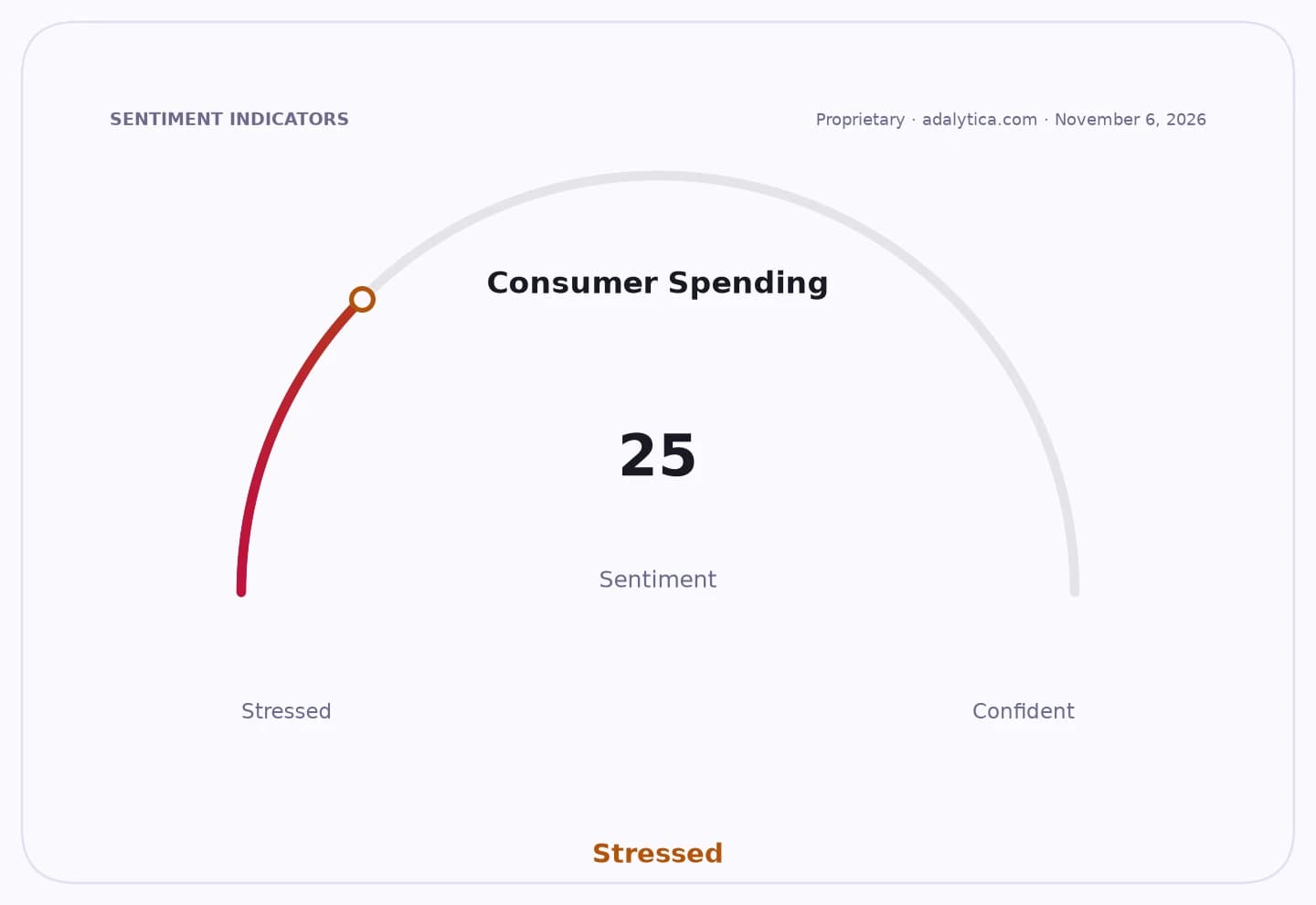
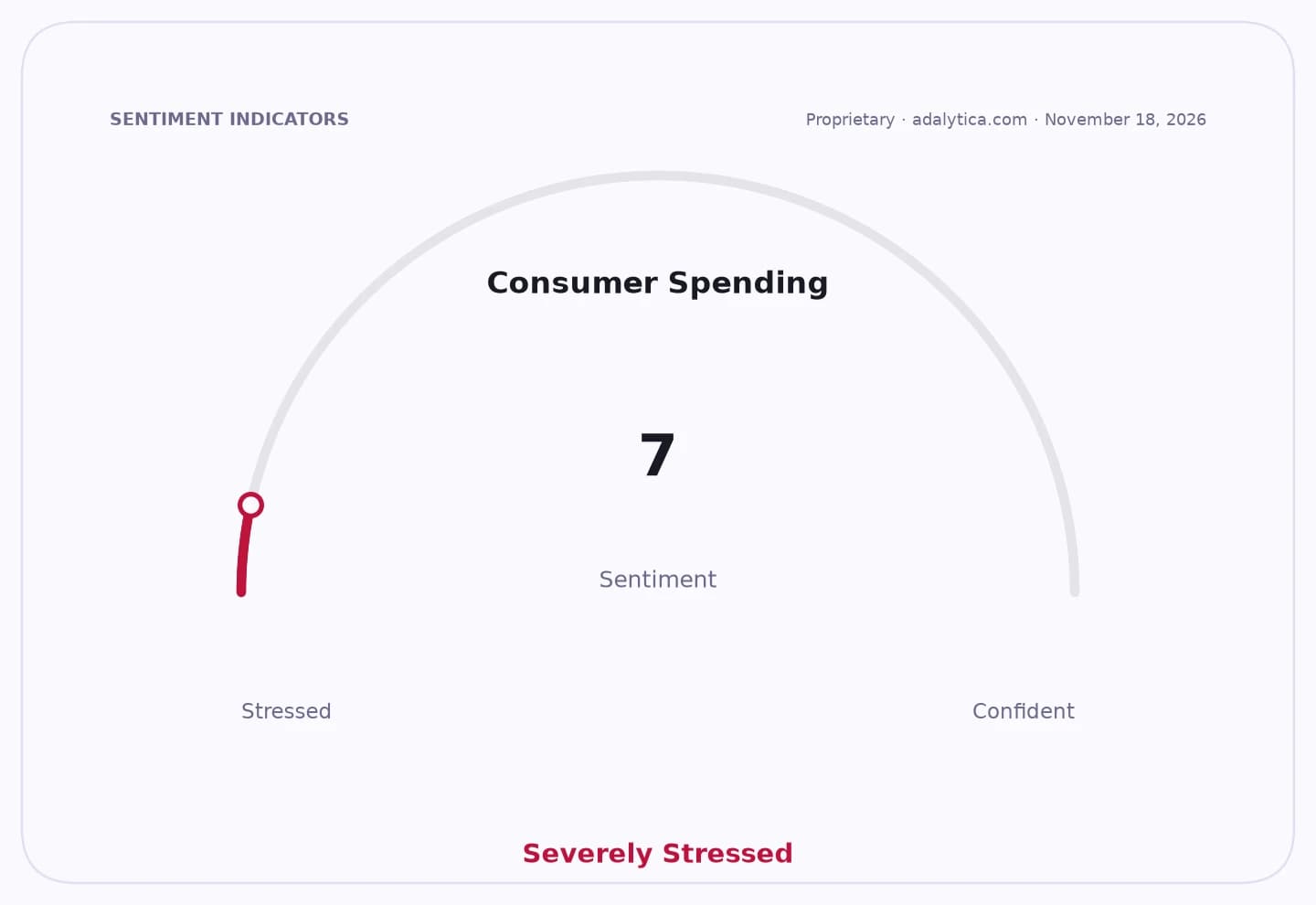
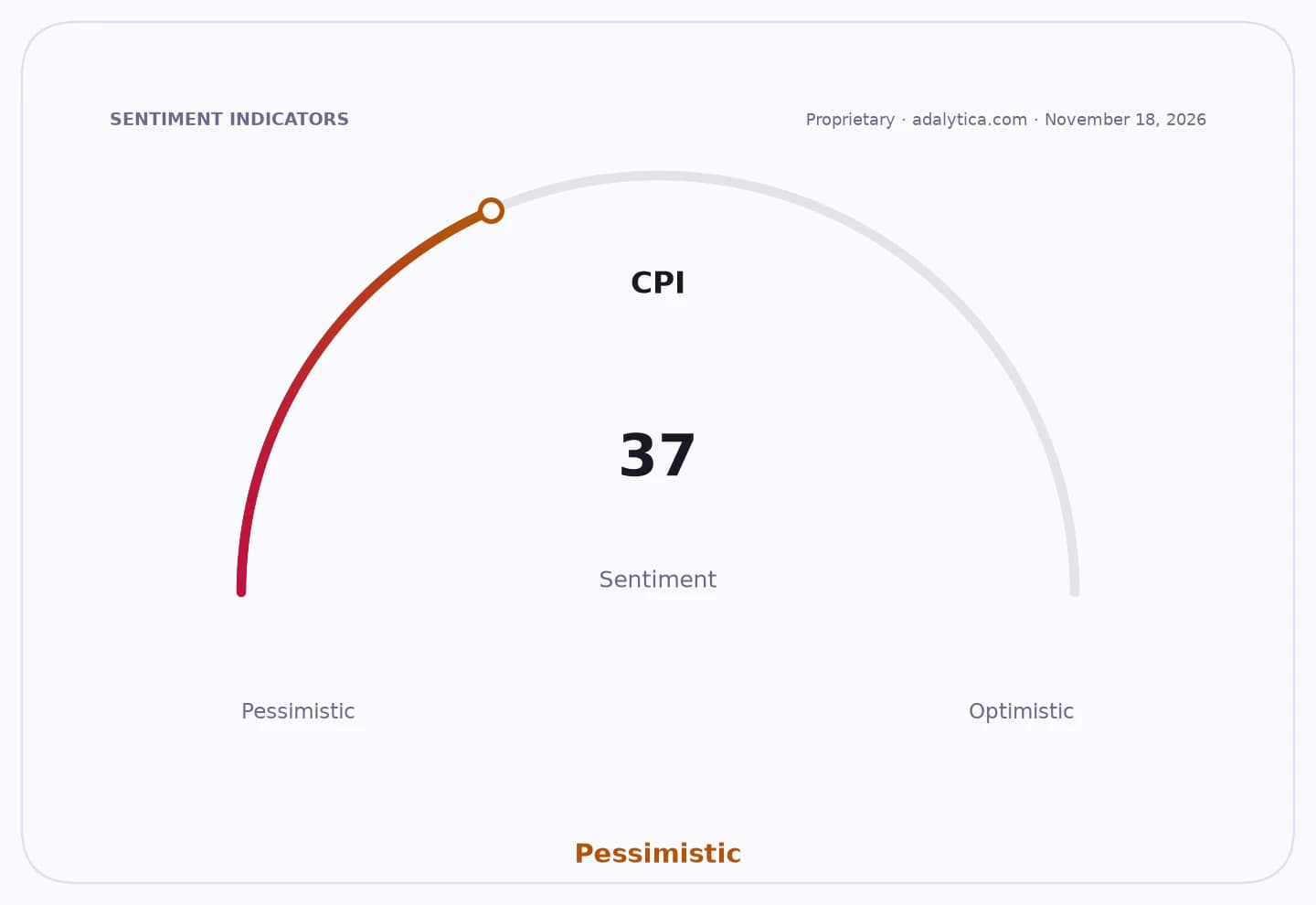
Sentiment Indicators

The burden is especially heavy in key commercial and population centers. Ondo posted the steepest annual food inflation at 31.74%, followed by Lagos at 31.43% and Imo at 29.75%. Oyo, Ebonyi, Rivers, Abia and Delta were also among the states with particularly elevated price growth. Those are not just statistics: they point to persistent pressure on shopping baskets, transport-linked distribution costs and margins for food retailers and consumer staples companies.
What makes the picture more complicated is that monthly prices fell nationally for a second straight month, but the pace of decline slowed. Food inflation was -0.75% month on month in October, after -1.55% in September. In plain English, food prices were still easing overall, but not as quickly. That matters because Nigeria’s inflation story is not yet one of broad-based disinflation — it is one of uneven correction, with some states still experiencing sharp reversals.
Food & Groceries
Yobe showed the most striking swing, with monthly food inflation jumping to 18.41% in October from -7.0% in September. Kebbi, Sokoto and Zamfara also saw sharp month-on-month increases, while Lagos, Rivers and Delta recorded declines. The split tells investors that Nigeria’s food market remains fragmented, vulnerable to local supply bottlenecks, logistics disruptions and seasonal swings.
For the economy, food inflation is the most politically and socially sensitive part of the price basket because it hits the poorest households hardest. When food costs stay high in more than half the states, the knock-on effects spread quickly: weaker real incomes, softer discretionary spending, higher demand for cheaper staples and more pressure on policymakers to intervene. That is why the government’s plans to release millions of bags of fertilizer and stored grains matter. Any boost to domestic supply could help stabilize prices, but only if it reaches markets efficiently and consistently.
The National Bureau of Statistics said prices were influenced by items including vegetable oil, sardines, green peas, frozen fish, local rice, fresh catfish, beef tripe, palm oil and millet flour. That mix matters because it shows the inflation problem is not confined to one food group. It is broad enough to affect everyday consumption patterns, from household cooking oil to protein and grains.
For long-term investors, the lesson is that Nigeria’s consumer story remains a selectivity game. Companies with pricing power, strong distribution and exposure to essential goods may prove more resilient than those dependent on discretionary spending. But the bigger macro takeaway is that food inflation is still doing the heavy lifting in household pain, and until it cools more decisively across the states, the recovery in consumer confidence is likely to remain uneven.
| Entity | Gains | Losses |
|---|---|---|
| Food producers with strong supply chains | ▲Higher pricing power | ▼Volume-sensitive demand |
| Nigerian households | ▲Lower prices in some states | ▼Squeezed real incomes |
| Policymakers | ▲Chance to show progress | ▼Pressure to intervene more |
| Food retailers and consumer goods firms | ▲Stable staples demand | ▼Margin pressure from volatility |