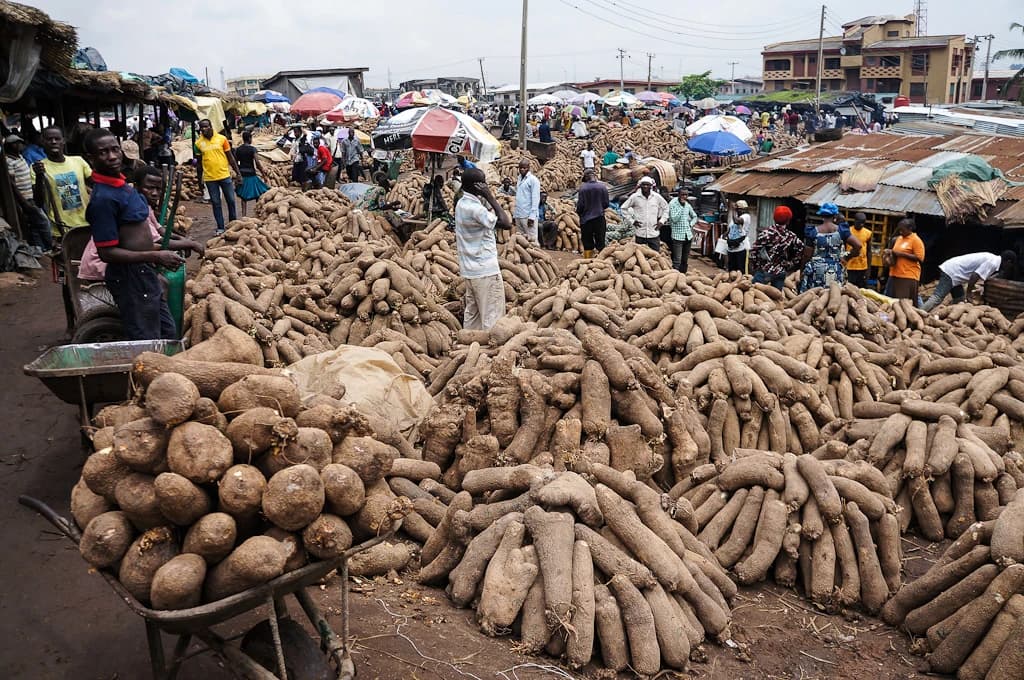
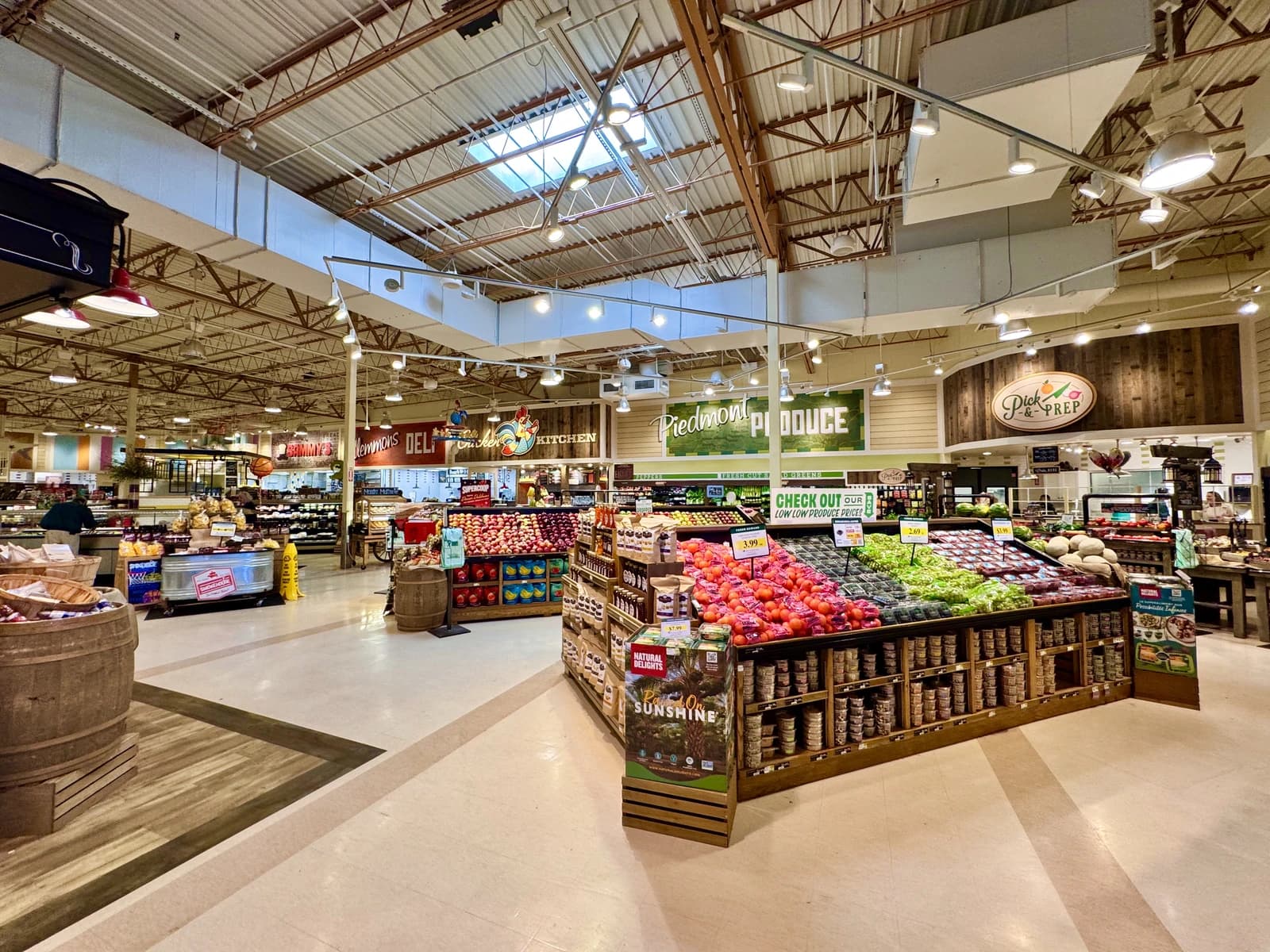
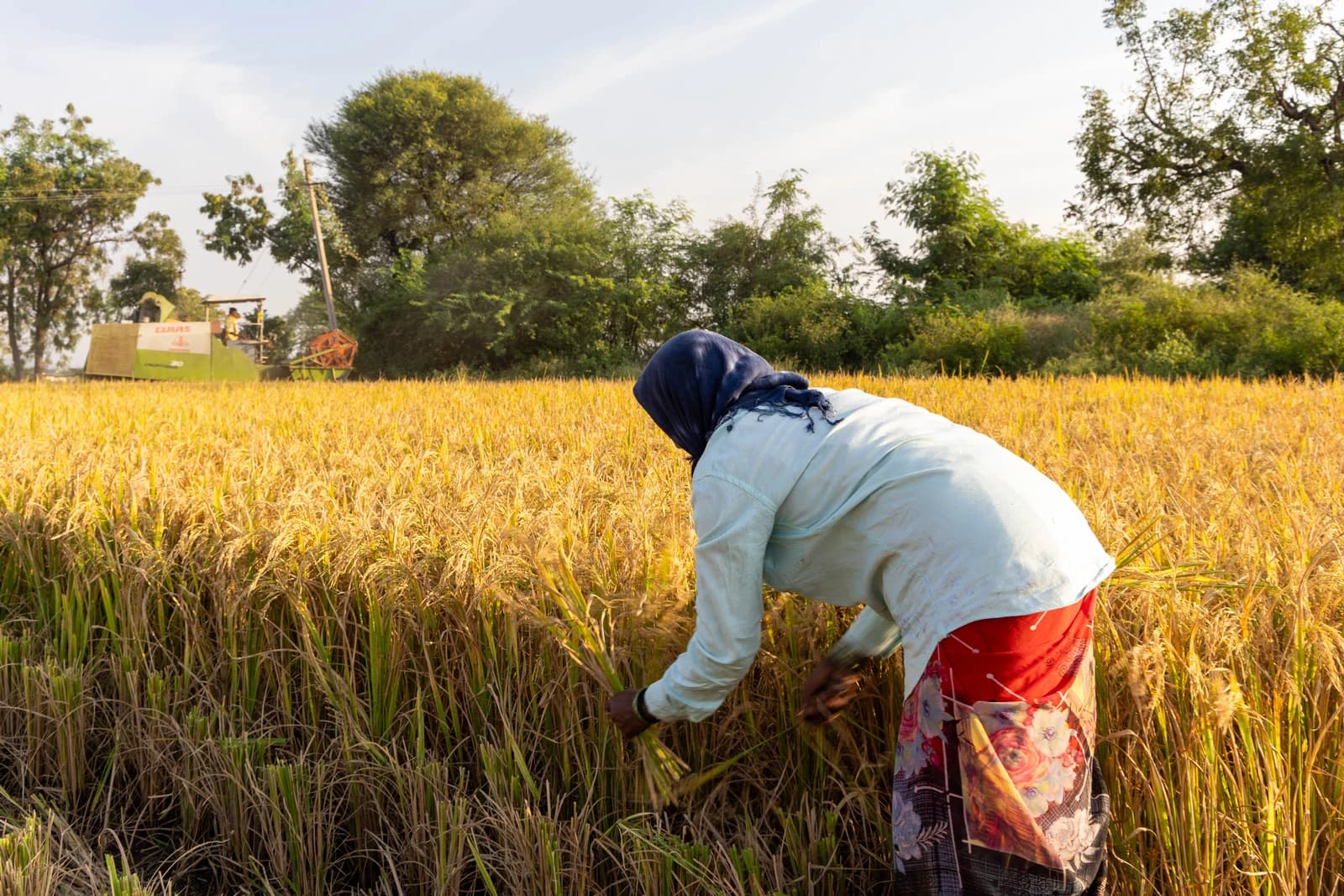
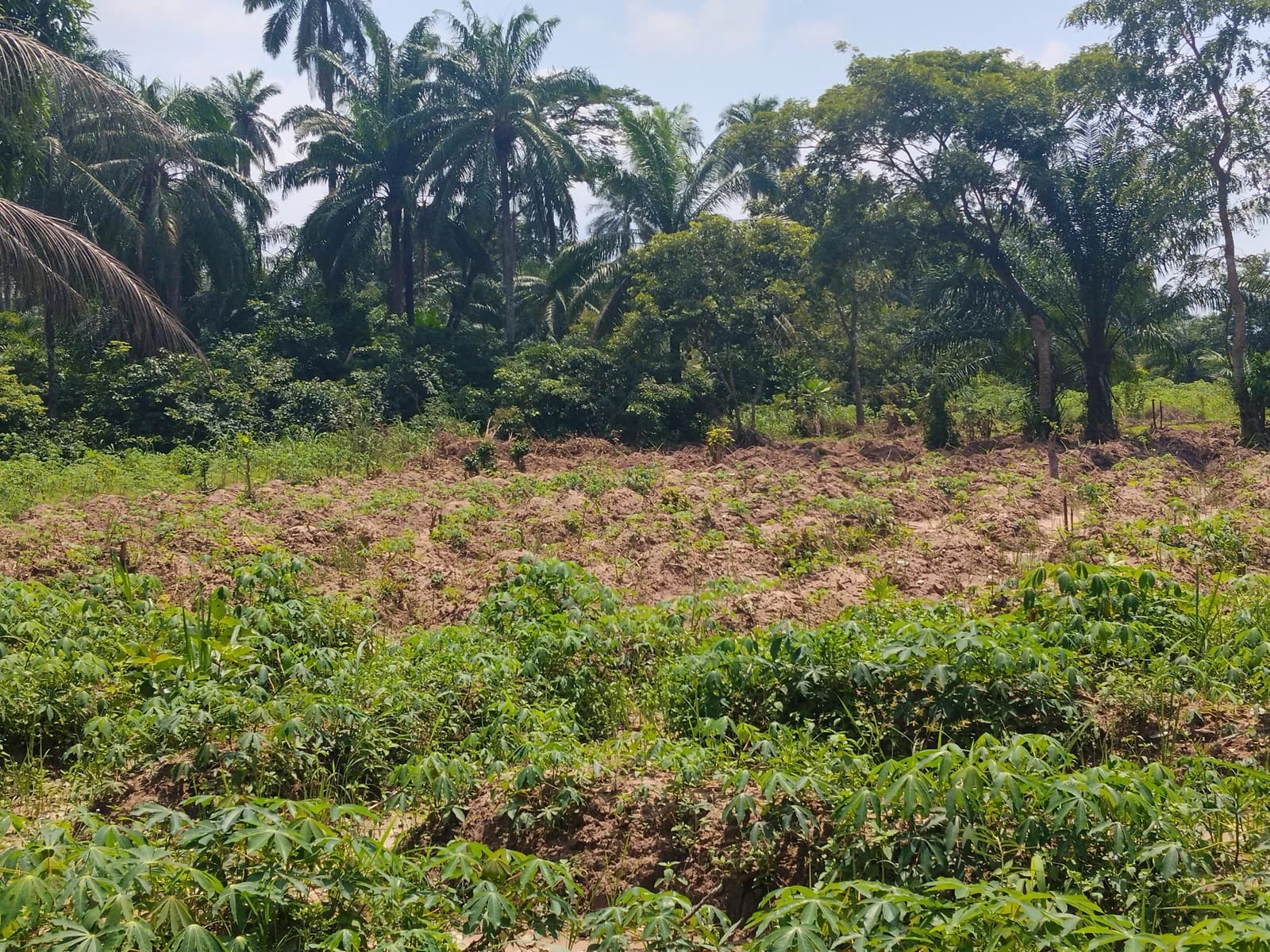
Food prices are still biting hard across much of Nigeria even as the national inflation picture looks a little calmer, and that matters because households do not eat a national average. In 19 of the country’s 36 states, annual food inflation was above 20% in October, underscoring how uneven the cost-of-living squeeze remains for consumers, retailers and policymakers.
Nigeria food inflation eases as state prices stay high
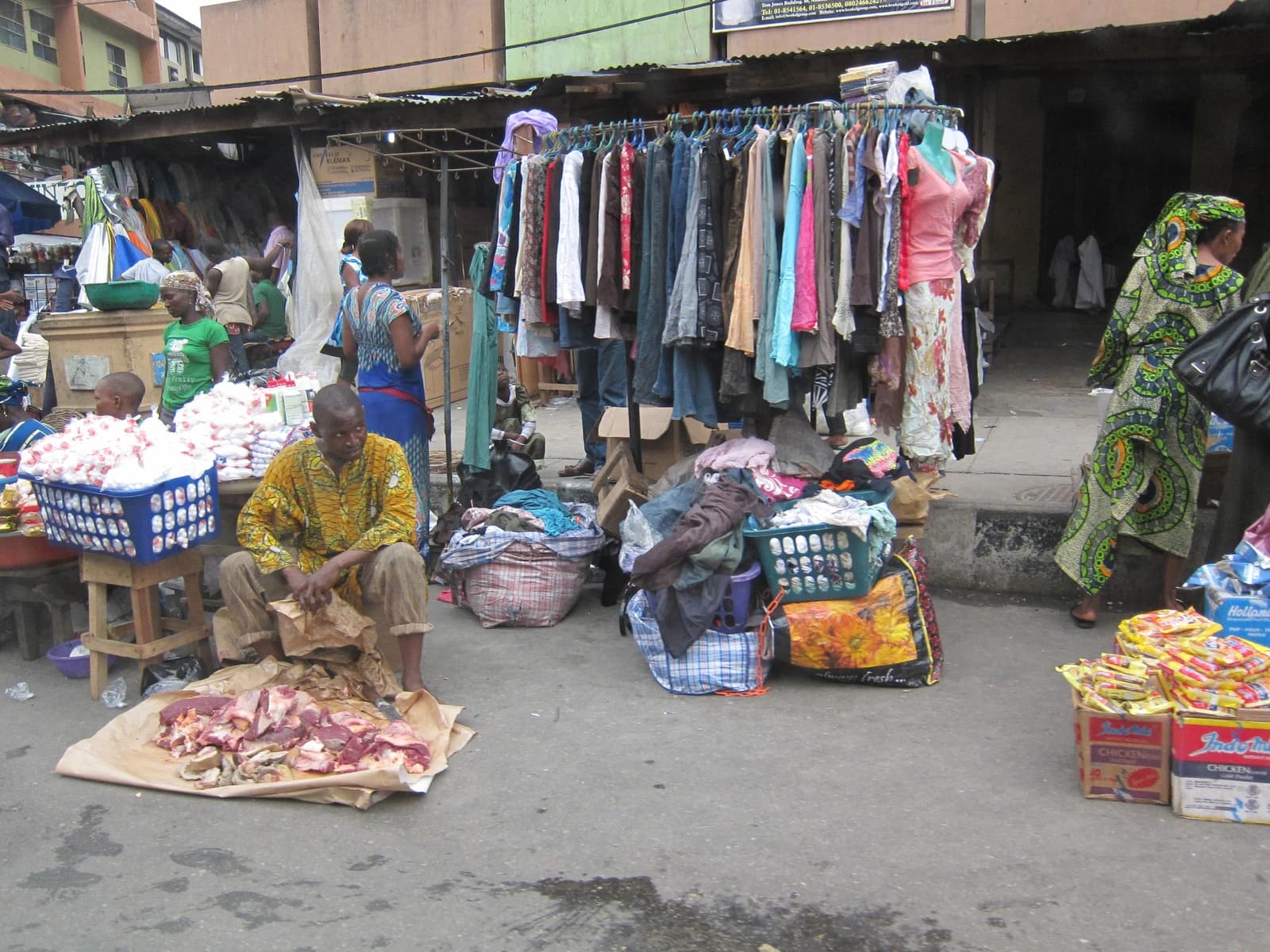
The headline national rate eased to 19.13% from 19.59% in September, according to the National Bureau of Statistics, but that moderation masks the reality on the ground: more than half the country is still dealing with punishing food-price increases. Ondo posted the fastest annual food inflation at 31.74%, closely followed by Lagos at 31.43% and Imo at 29.75%.
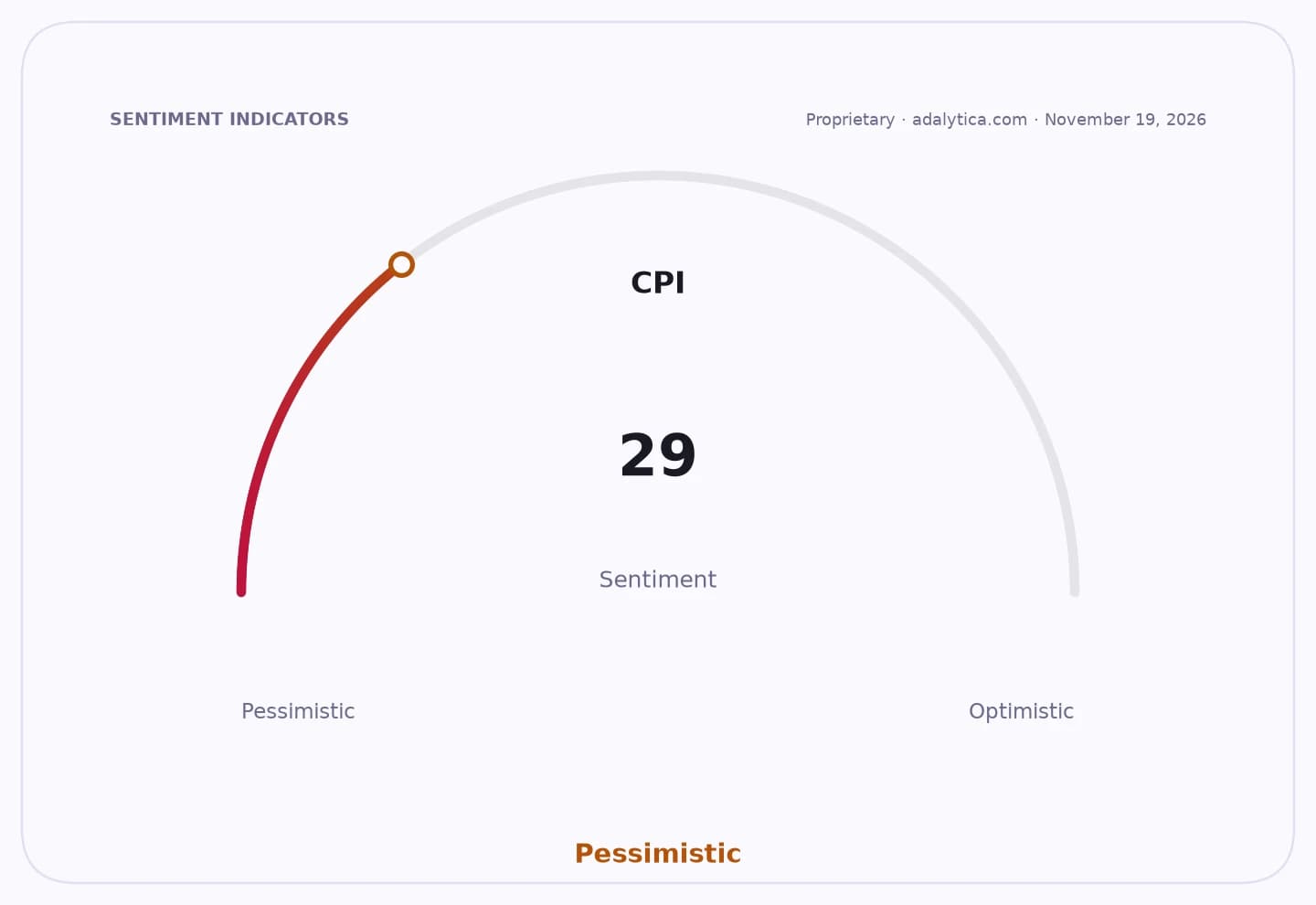
Sentiment Indicators
That divergence matters economically because food is the biggest line item in many Nigerian households’ budgets. When staples stay expensive in a large share of states, the slowdown in the national index does less to restore purchasing power than the headline suggests. It also complicates the Central Bank of Nigeria’s effort to judge whether inflation is truly losing momentum or merely rotating geographically and seasonally.
The regional spread is striking. Oyo’s annual food inflation climbed to 28.81% from 24.50% a month earlier, while Ebonyi rose to 27.96% from about 22%. Rivers, by contrast, cooled to 25.33% from roughly 28%. Other states above 20% included Abia, Delta, Enugu, Zamfara, Ogun, Yobe, Anambra, Kebbi, Akwa Ibom, Edo, Sokoto, Ekiti and Kaduna.
Only two states still recorded food inflation above 30%, but six were above 25%, showing that the national easing does not yet amount to broad relief. For investors, that is important because persistent food inflation feeds into wage pressure, keeps consumer spending weak and raises the odds that monetary easing will remain cautious. In other words, Nigeria’s consumers may not get meaningful relief soon enough to drive a clean rebound in discretionary demand.
The monthly numbers offered a mixed signal. National food prices fell 0.75% in October, a smaller drop than the 1.55% decline in September, suggesting the harvest-driven reprieve is fading. That fits the view of Chapel Hill Denham analyst Nabila Mohammed, who said the seasonal help from harvests is passing and transportation costs are now pushing prices higher.
At the state level, the picture was far less comforting. Yobe’s monthly food inflation jumped to 18.41% from -7.0% in September, Kebbi rose to 16.45% from -4.9%, and Sokoto moved to 13.0% from -1.7%. Even where some states saw monthly declines, the moves were uneven, with Lagos, Rivers, Delta and Oyo all still showing price falls while others reversed sharply higher.
The NBS said changes in the prices of vegetable oil, sardines, green peas, frozen fish, local rice, fresh catfish, beef tripe, palm oil and millet flour drove the national food basket. That is a reminder that this is not just a statistical issue — it is a supply-chain and logistics problem, with transport costs, distribution bottlenecks and seasonal supply swings feeding directly into the prices Nigerians pay every week.
For long-term investors, the takeaway is straightforward: Nigeria’s inflation story is improving at the margin, but food costs remain a structural drag on consumption and policy credibility. Until the gains become broader and more durable across states, this is a market where patience, diversification and selectivity matter more than chasing a quick macro turn. The food-inflation map says the recovery is still fragile, and worth watching closely.
| Entity | Gains | Losses |
|---|---|---|
| Nigerian consumers | ▲Slight national slowdown | ▼High grocery bills in 19 states |
| Central Bank of Nigeria | ▲Better headline inflation backdrop | ▼Limited relief for policy decisions |
| Food retailers and distributors | ▲Pricier inventory pass-through | ▼Weak household purchasing power |
| State governments with softer prices | ▲Temporary inflation relief | ▼States with 25%+ food inflation |