Nigeria’s electoral commission is moving to strip the military of a routine role in election-day security, a change that could reshape how Africa’s largest democracy protects polling stations and manage tensions around the 2026 vote cycle.
Nigeria INEC shifts election security to police for 2026 vote
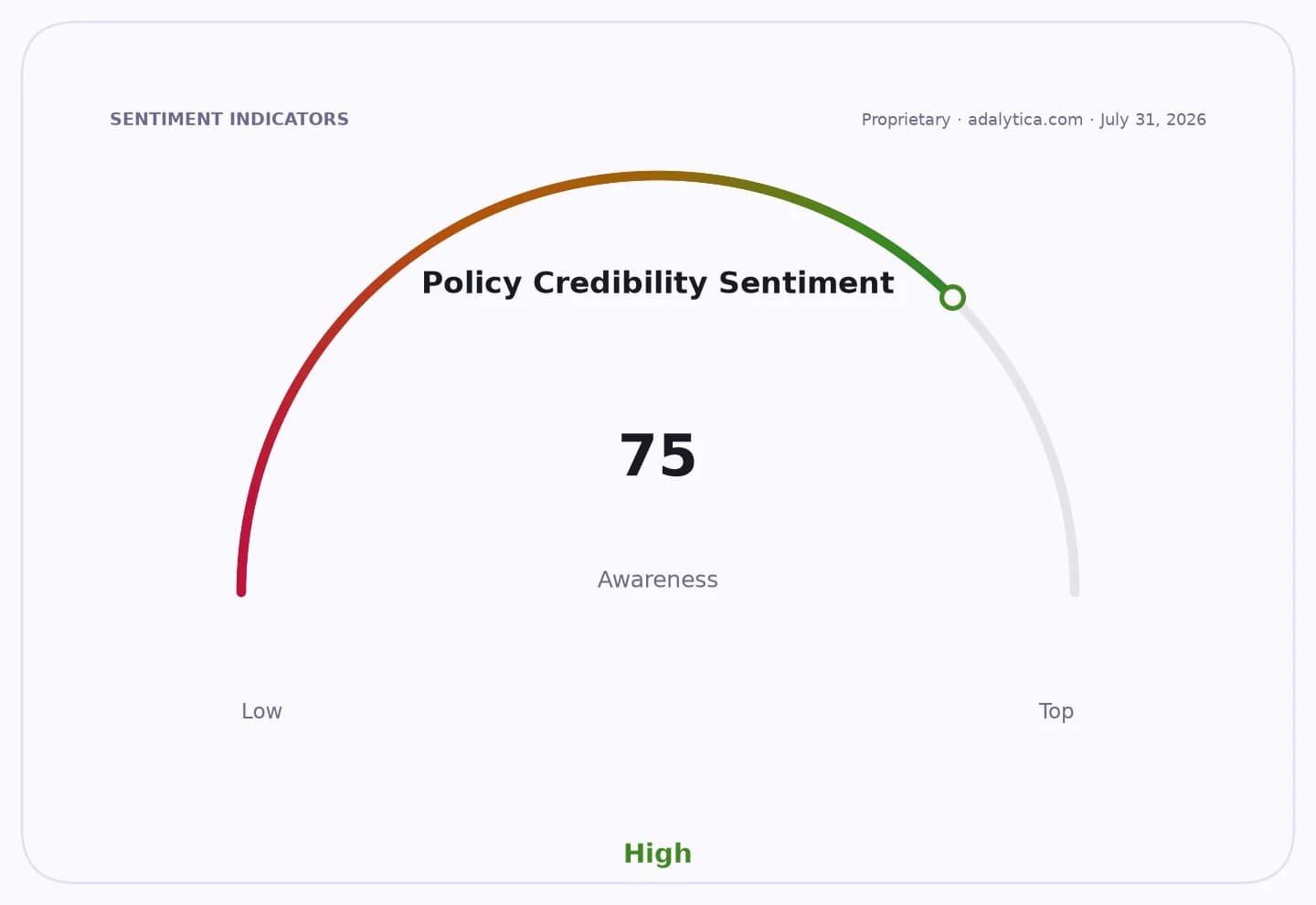
INEC’s decision to put the police at the center of election security matters because it changes the chain of command for a politically sensitive task that has often relied on soldiers as backup in past contests. For investors, the move is a reminder that the credibility of Nigeria’s electoral process can affect risk premiums across the country, from sovereign debt to consumer and banking assets exposed to post-election stability.
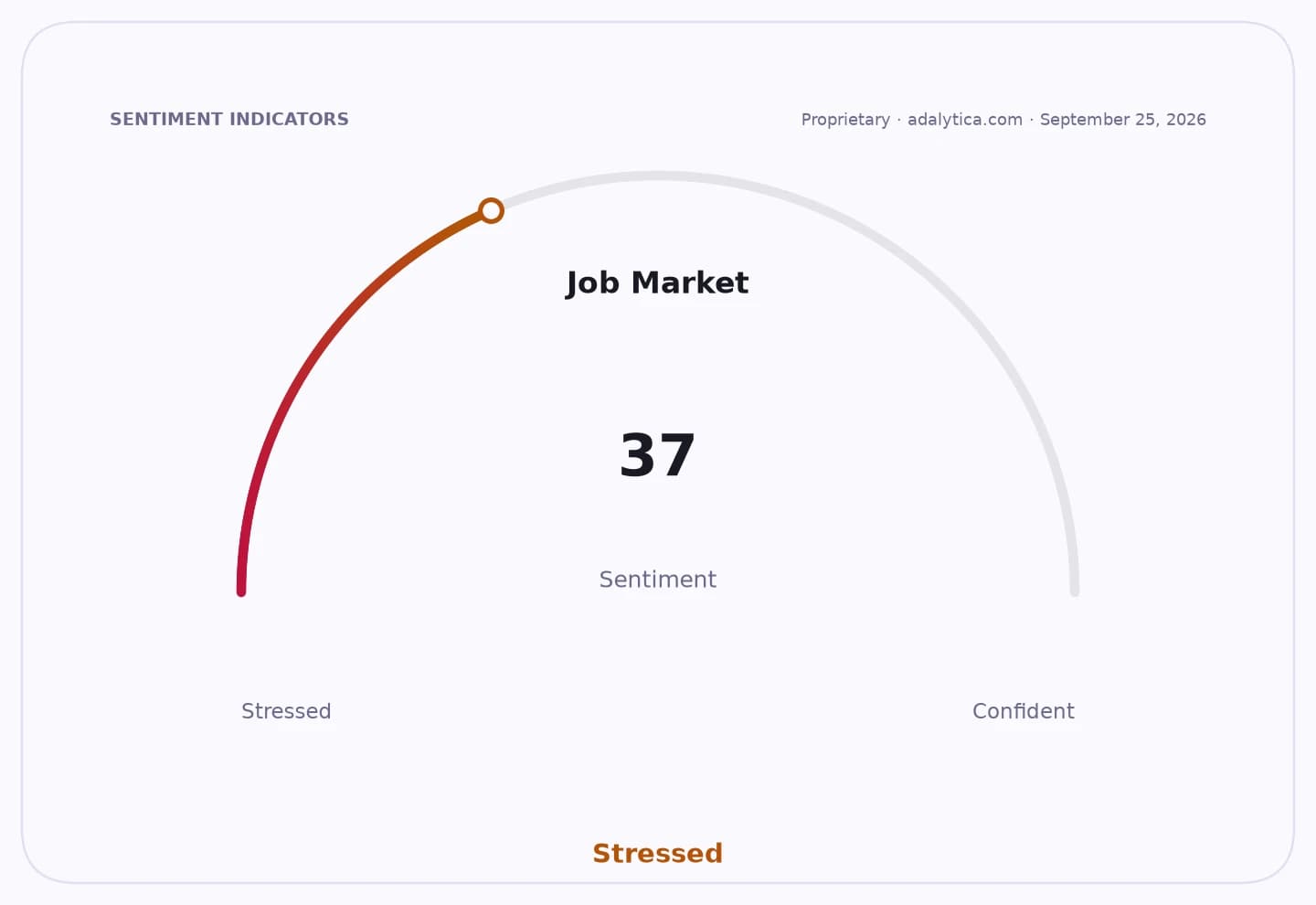
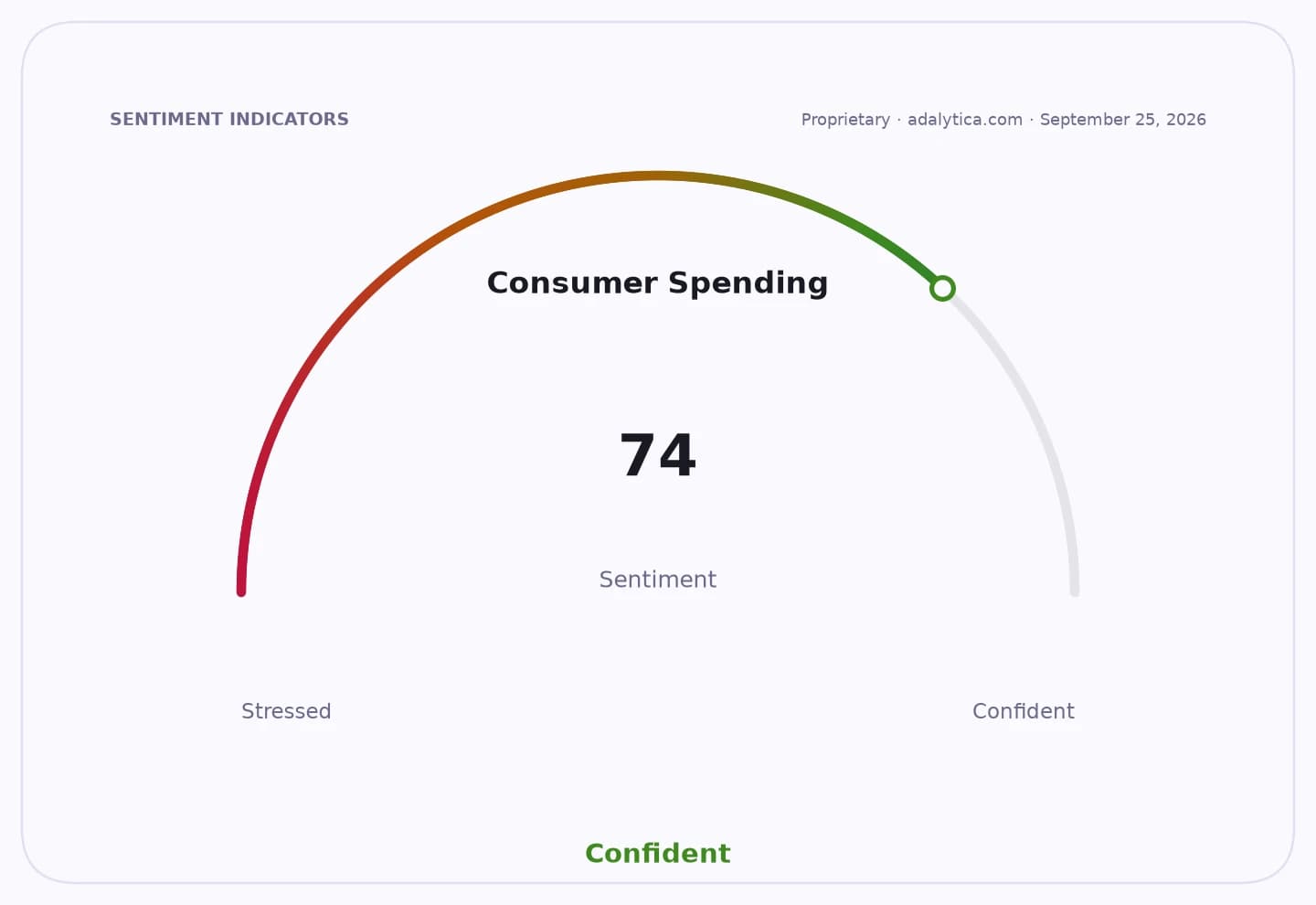
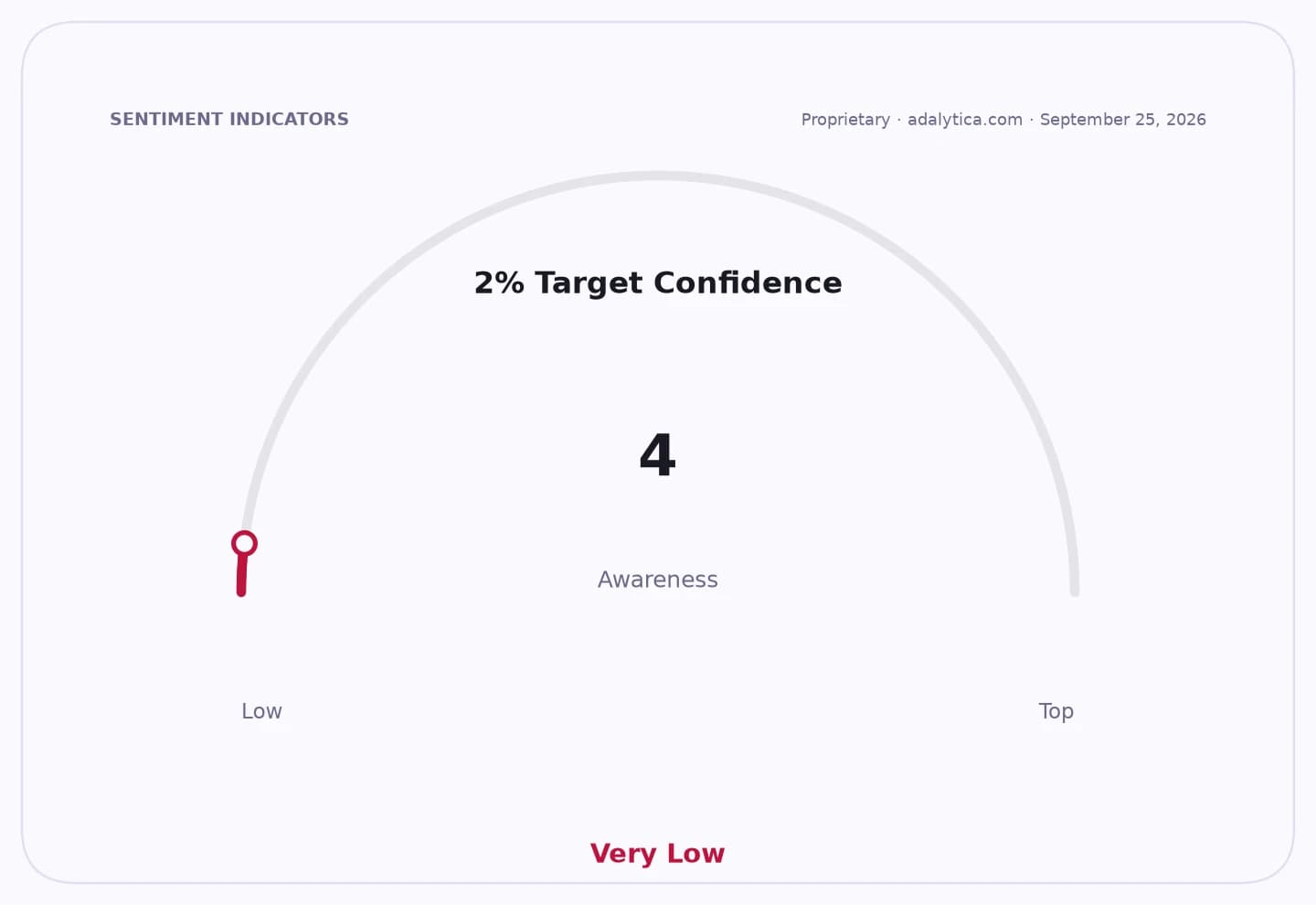
Sentiment IndicatorsⓘProprietary · adalytica.com · July 31, 2026
This is a snapshot — live sentiment, awareness and momentum for 130+ markets update continuously in the dashboard.Open AlphaPulse
Routine military deployment has long been a flashpoint in Nigerian elections, with critics arguing that soldiers can intimidate voters and blur the line between civilian and military authority. INEC’s push for police-led security signals an effort to professionalize election management and reduce the optics of militarization, while still leaving room for targeted deployment where threats warrant it.
The broader market relevance extends beyond the ballot box. Investors in Nigeria watch election security closely because disruptions, delays or contested outcomes can pressure the naira, sap local liquidity and slow capital inflows, while a smoother process tends to support confidence in policy continuity.
The timing also matters as election-security debates intensify globally and as governments face more scrutiny over ballot integrity, logistics and legal challenges. Any follow-through from INEC could force security agencies and political parties to adjust their plans well ahead of the vote, with the next test coming in the implementation details and how state-level authorities respond.
| Entity | Gains | Losses |
|---|---|---|
| INEC | ▲Control over election security | ▼Dependence on military backup |
| Nigerian Police | ▲Central role in polling security | ▼Higher operational pressure |
| Military | ▲Clearer civilian boundary | ▼Routine election deployment |
| Investors in Nigeria | ▲Lower post-election uncertainty | ▼Risk if security plans falter |