Nigeria’s headline inflation slowed to 15.43% in July, offering households and policymakers a rare bit of relief as the country tries to stabilize living costs, support growth and shore up confidence ahead of elections.
Nigeria Inflation Slows to 15.43% in July
The drop matters because inflation has been one of the biggest drags on consumer spending and real incomes in Africa’s largest economy. A lower inflation reading can ease pressure on the central bank to keep policy tight for longer, while also improving the outlook for borrowing costs, business planning and government finances if the trend holds.
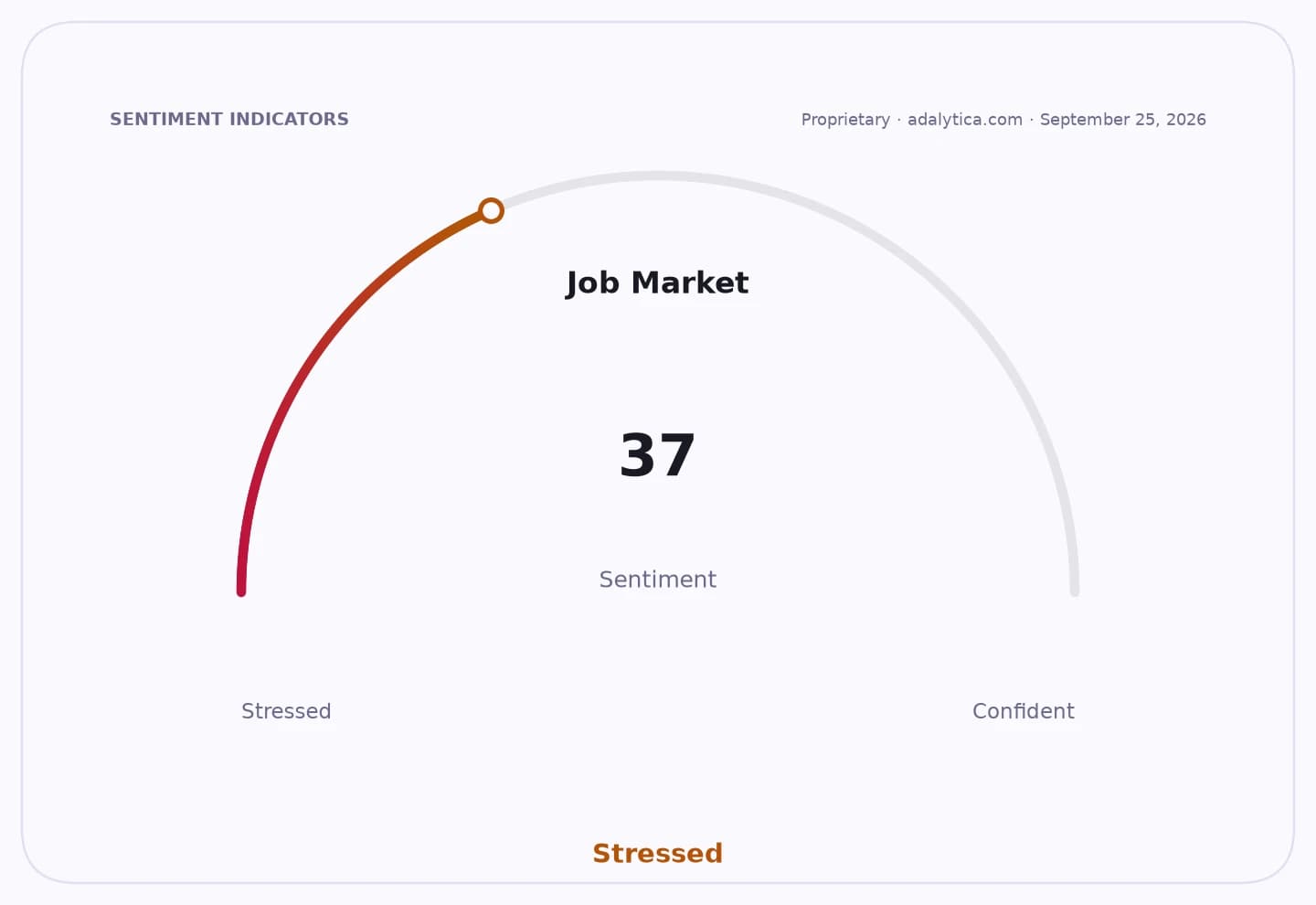
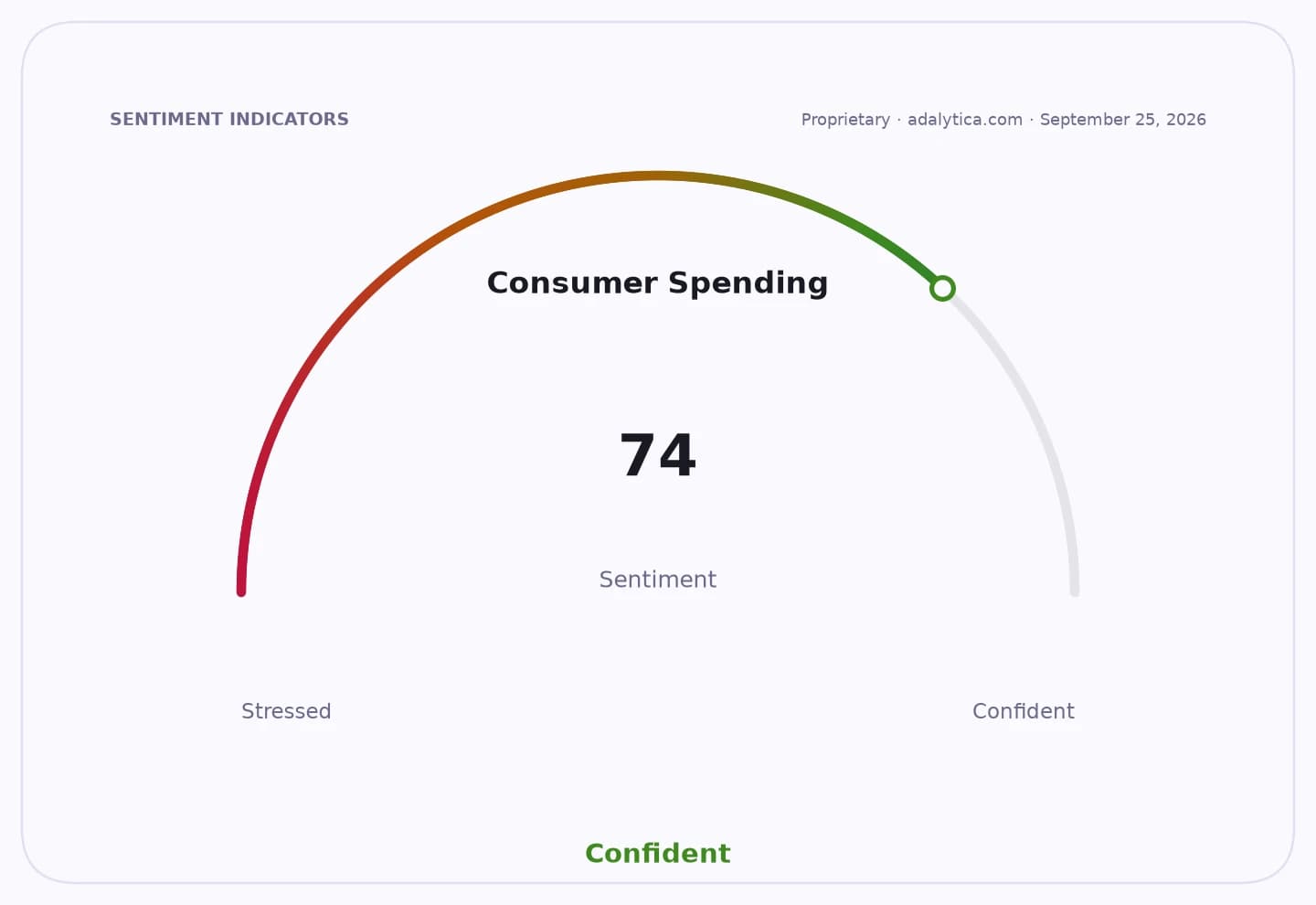
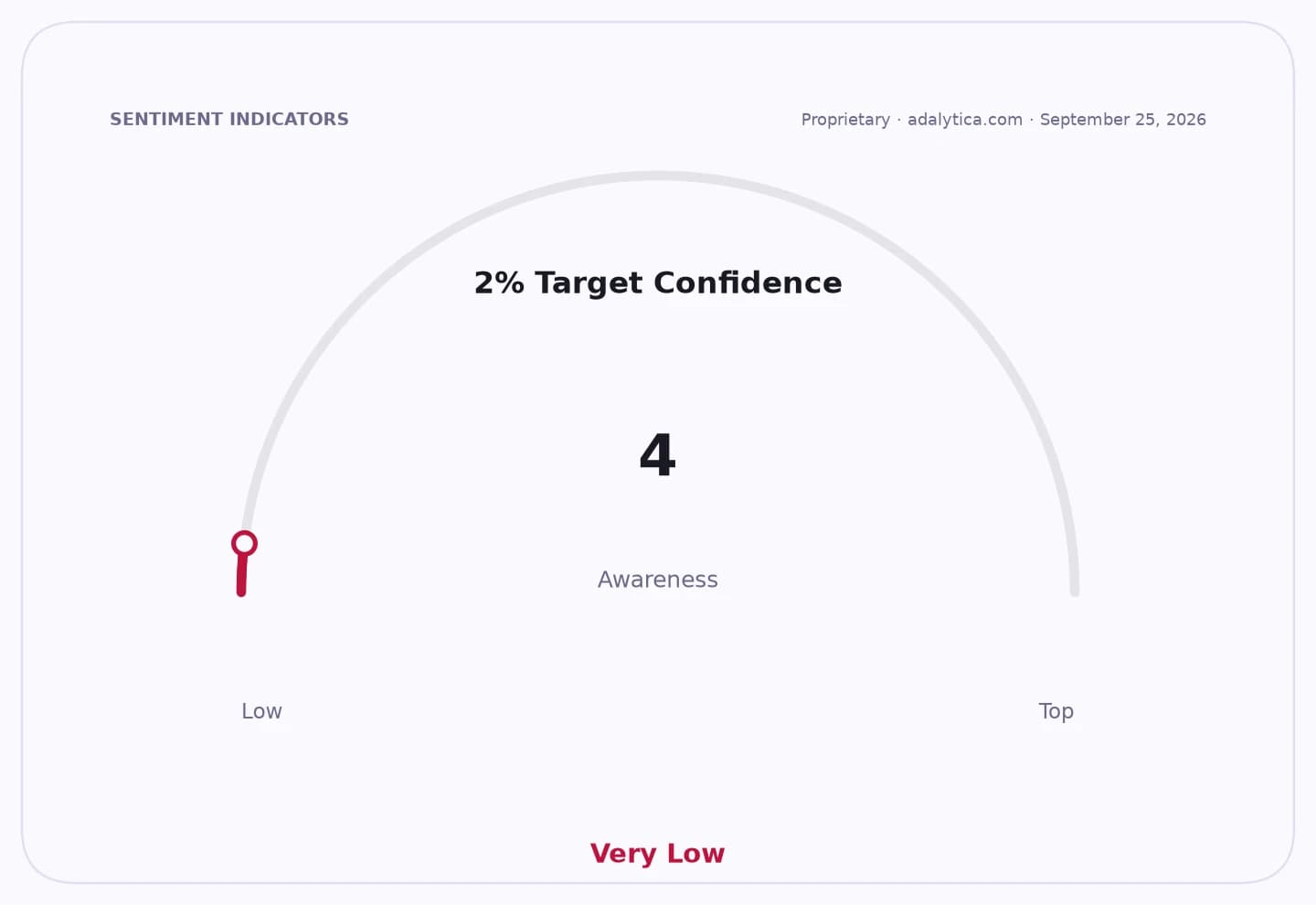
Sentiment IndicatorsⓘProprietary · adalytica.com · August 17, 2026
This is a snapshot — live sentiment, awareness and momentum for 130+ markets update continuously in the dashboard.Open AlphaPulse

For investors, the number is a signal that price pressures may be moderating after a prolonged squeeze on consumers and corporate margins. That can support Nigerian assets by reducing the risk of deeper policy tightening, although markets will want to see whether the slowdown is broad-based and sustained rather than driven by temporary factors.
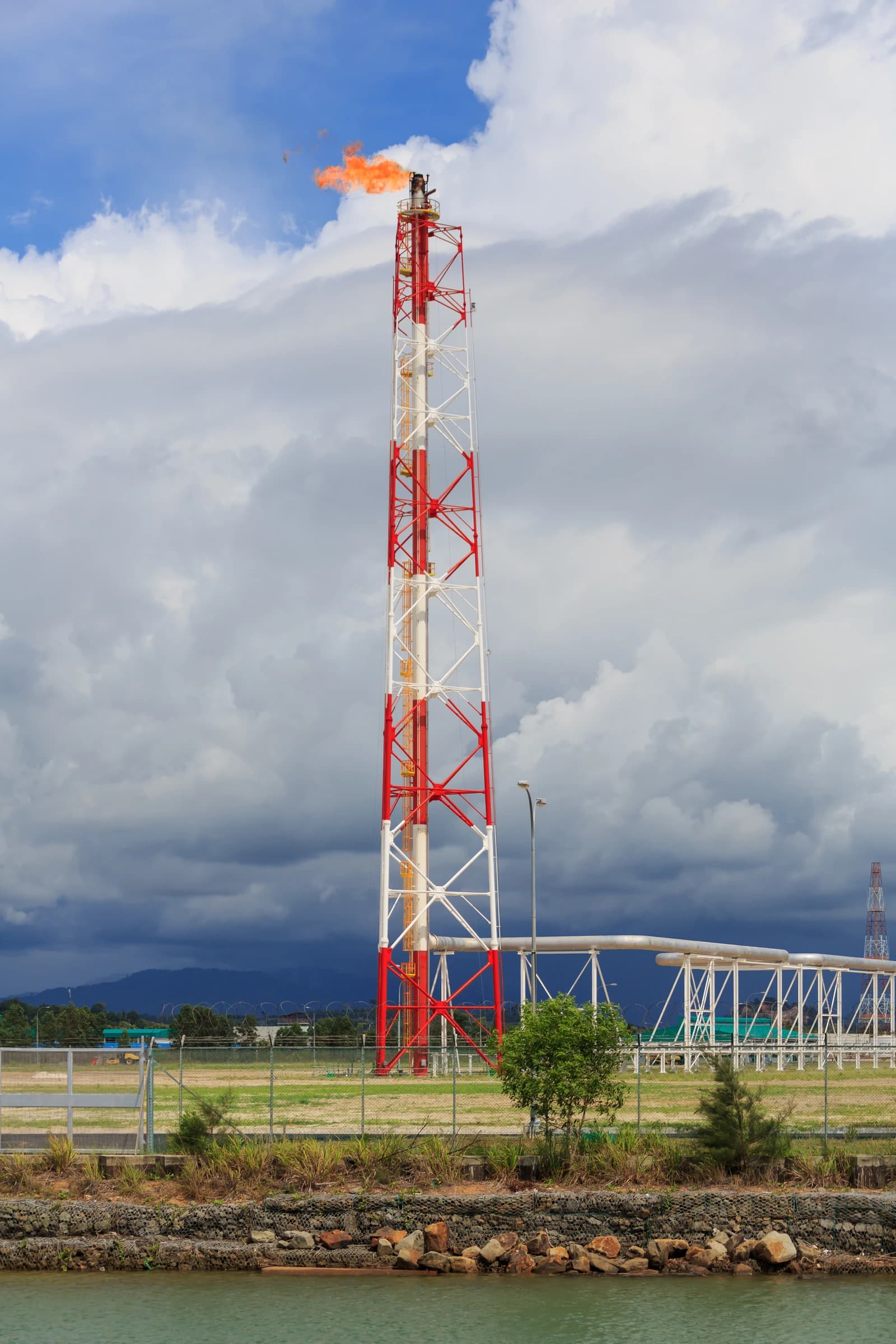
The data also comes against a difficult macro backdrop. Nigeria remains exposed to volatile oil revenue, theft and pipeline sabotage that have constrained fiscal room, while weaker household purchasing power continues to weigh on demand.
The next key test is whether August inflation confirms the easing trend. If it does, pressure could build for a more supportive policy stance; if not, the relief for consumers and markets may prove short-lived.
| Entity | Gains | Losses |
|---|---|---|
| Nigerian households | ▲Lower cost-of-living pressure | ▼Less erosion of purchasing power |
| Central bank | ▲More room to avoid tighter policy | ▼Less justification for aggressive hikes |
| Nigerian bonds and equities | ▲Better sentiment on inflation outlook | ▼Fears of prolonged policy strain ease |
| Oil-dependent government finances | ▲Slight relief if inflation stabilizes | ▼Fiscal pressure from oil theft remains |