Nigeria’s government is trying to turn its fuel-subsidy windfall into visible relief for households and businesses as criticism builds over hunger, insecurity and a weaker naira.
Nigeria naira trades near 1,364 per dollar on July 31
Finance Minister Taiwo Oyedele said the subsidy savings are being redirected into public spending, including infrastructure, social support and reforms meant to soften the shock from President Bola Tinubu’s removal of fuel subsidies. The policy has improved fiscal transparency and freed up cash for the state, but it has also fed inflation and deepened strain on consumers whose purchasing power has been eroded by higher transport and food costs.
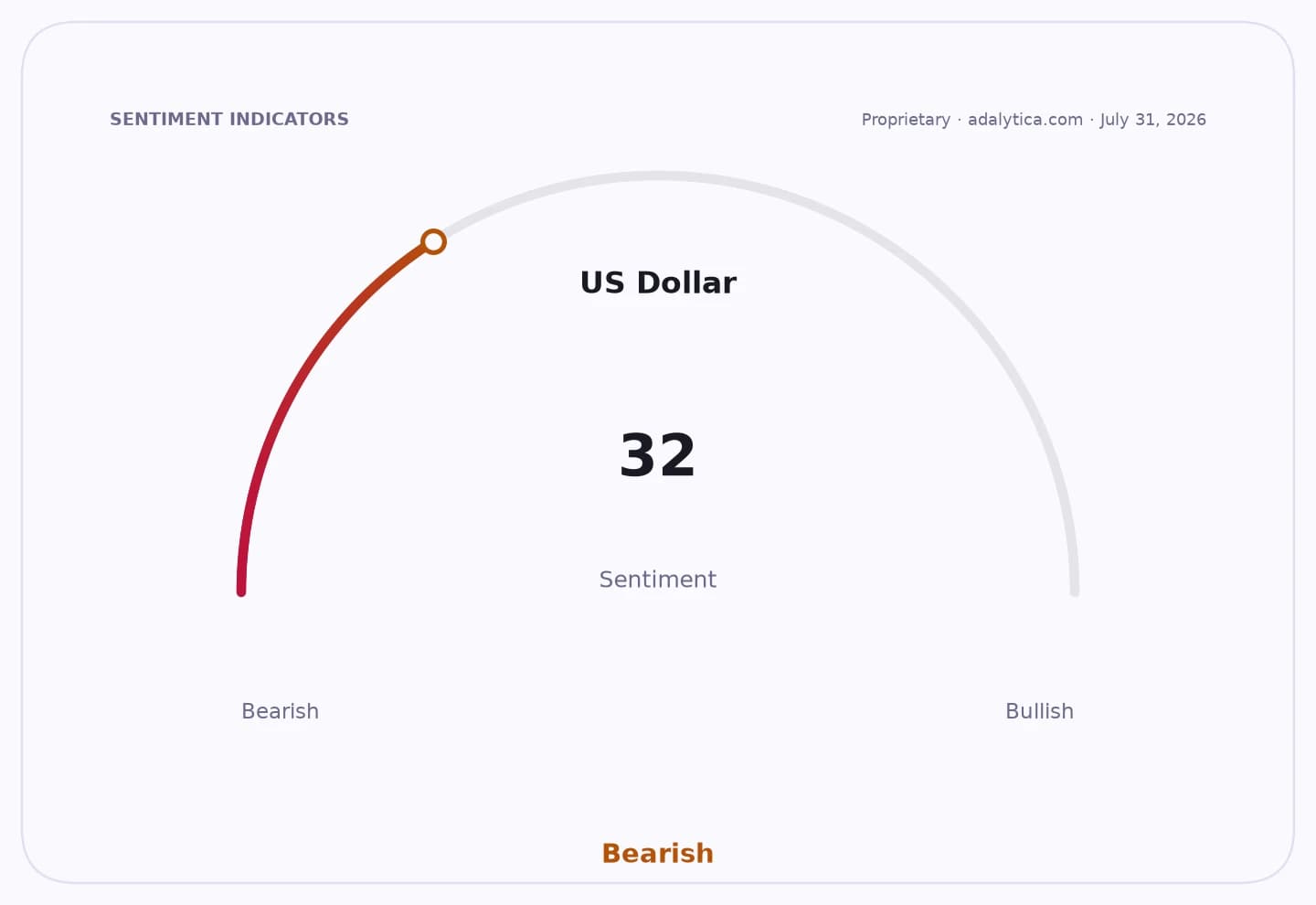
Sentiment IndicatorsⓘProprietary · adalytica.com · July 31, 2026
This is a snapshot — live sentiment, awareness and momentum for 130+ markets update continuously in the dashboard.Open AlphaPulse
That matters for Africa’s biggest economy because subsidy reform is one of Tinubu’s defining policy shifts. It reduces a long-running drag on public finances, yet the political cost is rising as opponents, including former presidential candidate Peter Obi, argue that hunger has worsened and insecurity remains entrenched.
For investors, the story is about whether subsidy savings can translate into stronger fiscal credibility without triggering more social unrest or fresh currency weakness. The naira was trading around 1,364 per dollar on July 31 after a volatile stretch, while U.S. 10-year Treasury yields hovered near 4.62%, a backdrop that keeps financing costs elevated for emerging markets like Nigeria.
Technical indicators on the naira also point to a fragile tone. The currency is trading below its 50-day and 200-day moving averages, with RSI readings near 29, a level that often reflects oversold conditions in conventional market analysis, while MACD remains negative.
The next test is execution: whether Abuja can show that subsidy savings are producing better roads, stronger safety nets and more stable macro conditions before public frustration spills further into politics.
| Entity | Gains | Losses |
|---|---|---|
| Nigerian government | ▲More fiscal room | ▼Higher political scrutiny |
| Households | ▲Potential social spending | ▼Higher fuel and food costs |
| Investors in Nigeria | ▲Reform credibility | ▼Policy and social risk |
| Opposition politicians | ▲Public anger to exploit | ▼If reforms deliver relief |