China and Russia used North Korea’s 78th founding anniversary to reinforce ties with Kim Jong-un, a diplomatic show of support that underscores Pyongyang’s deepening alignment with Beijing and Moscow as sanctions and security tensions keep the Korean Peninsula on edge.
China, Russia Back North Korea on Anniversary
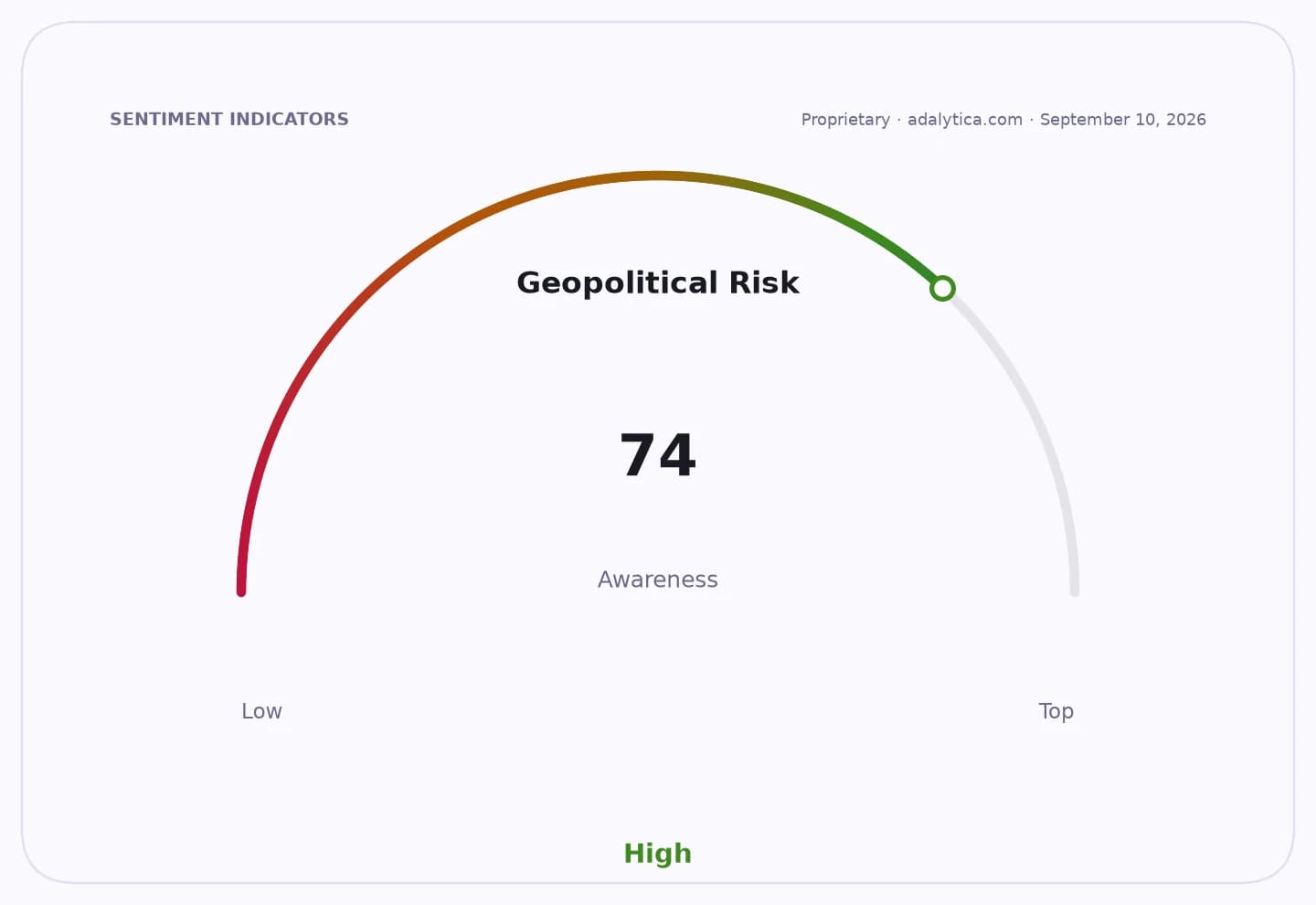
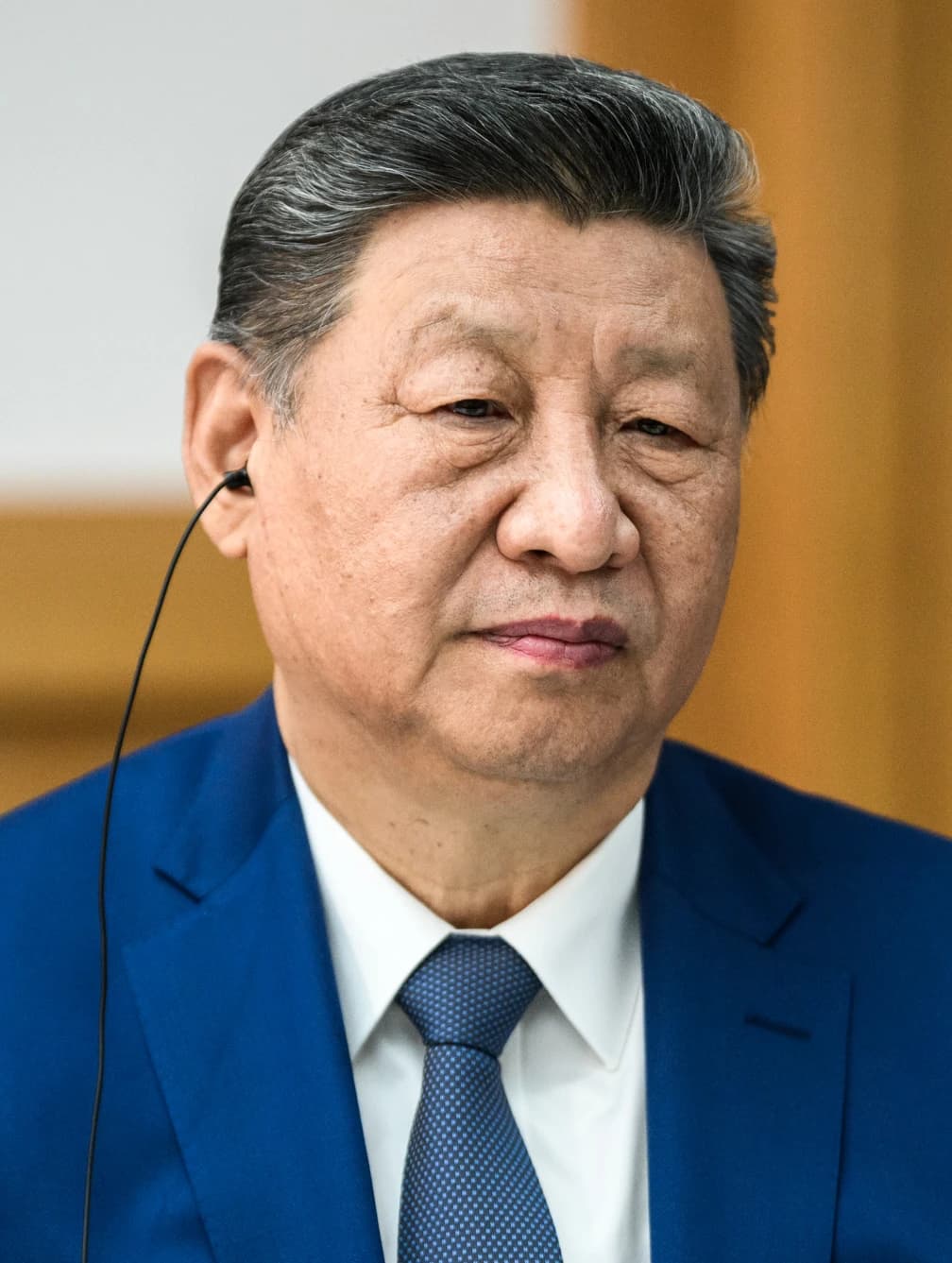
North Korean state media said Xi Jinping called improving ties with Pyongyang China’s “consistent and unwavering” policy, while Vladimir Putin said Russia’s cooperation with North Korea helps build a “multipolar world order.” The messages matter because they signal that both powers are still willing to provide political backing to Kim at a time when North Korea is doubling down on its nuclear arsenal and rejecting reconciliation with South Korea.
Sentiment IndicatorsⓘProprietary · adalytica.com · September 10, 2026
This is a snapshot — live sentiment, awareness and momentum for 130+ markets update continuously in the dashboard.Open AlphaPulse
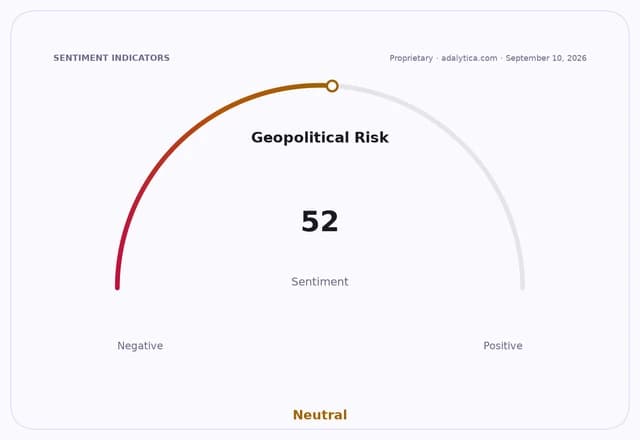
The timing is important for investors and policymakers because the China-Russia-North Korea triangle affects sanctions enforcement, regional military risk and the broader balance of power in Northeast Asia. Any sign of tighter coordination can complicate U.S.-led pressure on Pyongyang and raise the odds of further weapons testing, military drills and retaliatory rhetoric around the Korean Peninsula.
The anniversary itself was marked in Pyongyang with flag-waving marches and dances, while congratulatory notes also reportedly came from Vietnam, Belarus, Laos, Mongolia, Singapore and the pro-Pyongyang General Association of Korean Residents in Japan. That breadth of messaging gives Kim a public reminder that, despite isolation from the West, he retains channels to friendly states and ideological allies.
For markets, the immediate impact is more in risk pricing than in direct assets, but geopolitical stress around North Korea can feed into demand for safe havens and pressure regional equities. The Korean won has been weak versus the dollar, and Korea-focused ETFs have been volatile, reflecting a broader backdrop in which geopolitical headlines can quickly spill into currency and equity sentiment.
The next catalyst is whether the anniversary diplomacy is followed by any military display, weapons announcement or fresh coordination between Washington, Seoul and Tokyo. Any such move would keep North Korea at the center of regional security concerns and preserve the premium on defensive positioning.
| Entity | Gains | Losses |
|---|---|---|
| North Korea | ▲diplomatic backing | ▼isolation narrative |
| China and Russia | ▲geopolitical leverage | ▼pressure to distance from Pyongyang |
| U.S., South Korea and Japan | ▲little in the near term | ▼regional security risk |
| Investors in Korea assets | ▲clearer risk pricing | ▼volatility and safe-haven demand |