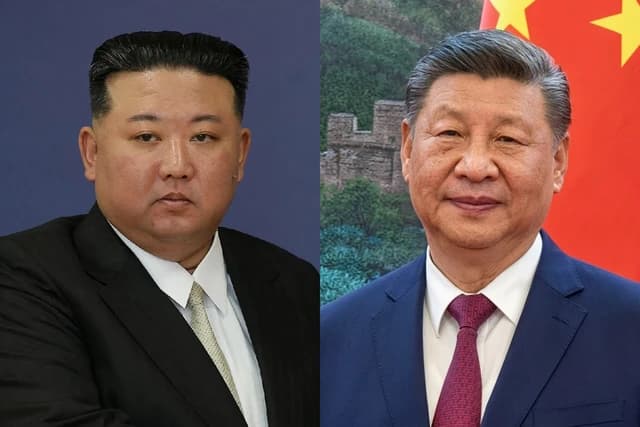
Kim Jong Un’s surprise trip to China underscores how North Korea is working to widen its diplomatic and economic room as its closeness to Russia reshapes the balance of power in Northeast Asia.
North Korea Visit to China Raises Regional Risk
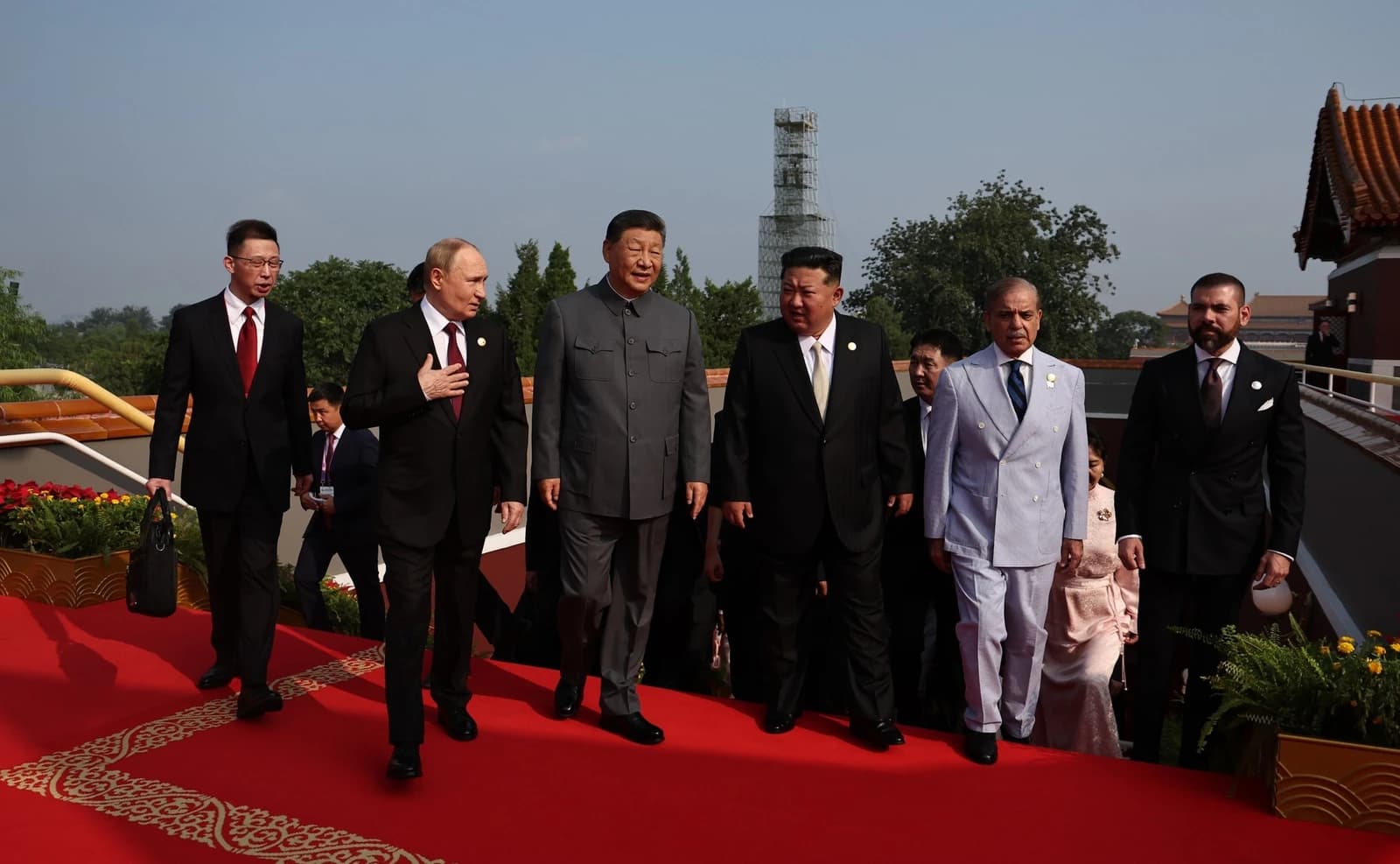
For investors and policymakers, the visit matters because it points to a more durable axis among Pyongyang, Moscow and Beijing at a time when sanctions, military tensions and supply-chain risks are already forcing markets to price in more geopolitical friction. North Korea is not a direct trade driver for global equities, but any shift that pulls China more firmly into a strategic embrace with Russia and away from a more restrained role on the Korean Peninsula can ripple through defense spending, energy flows, shipping routes and regional risk sentiment.
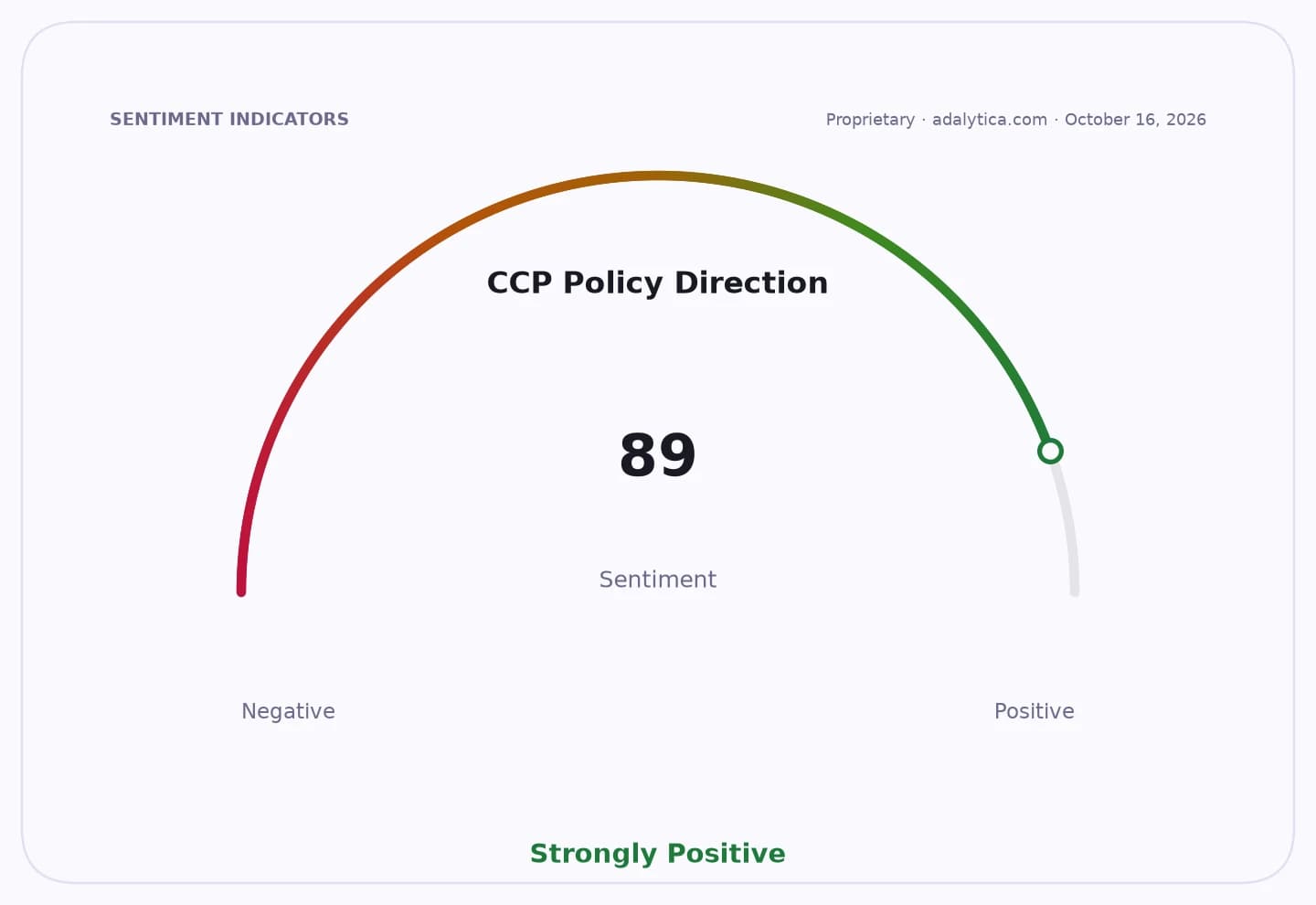
Sentiment Indicators
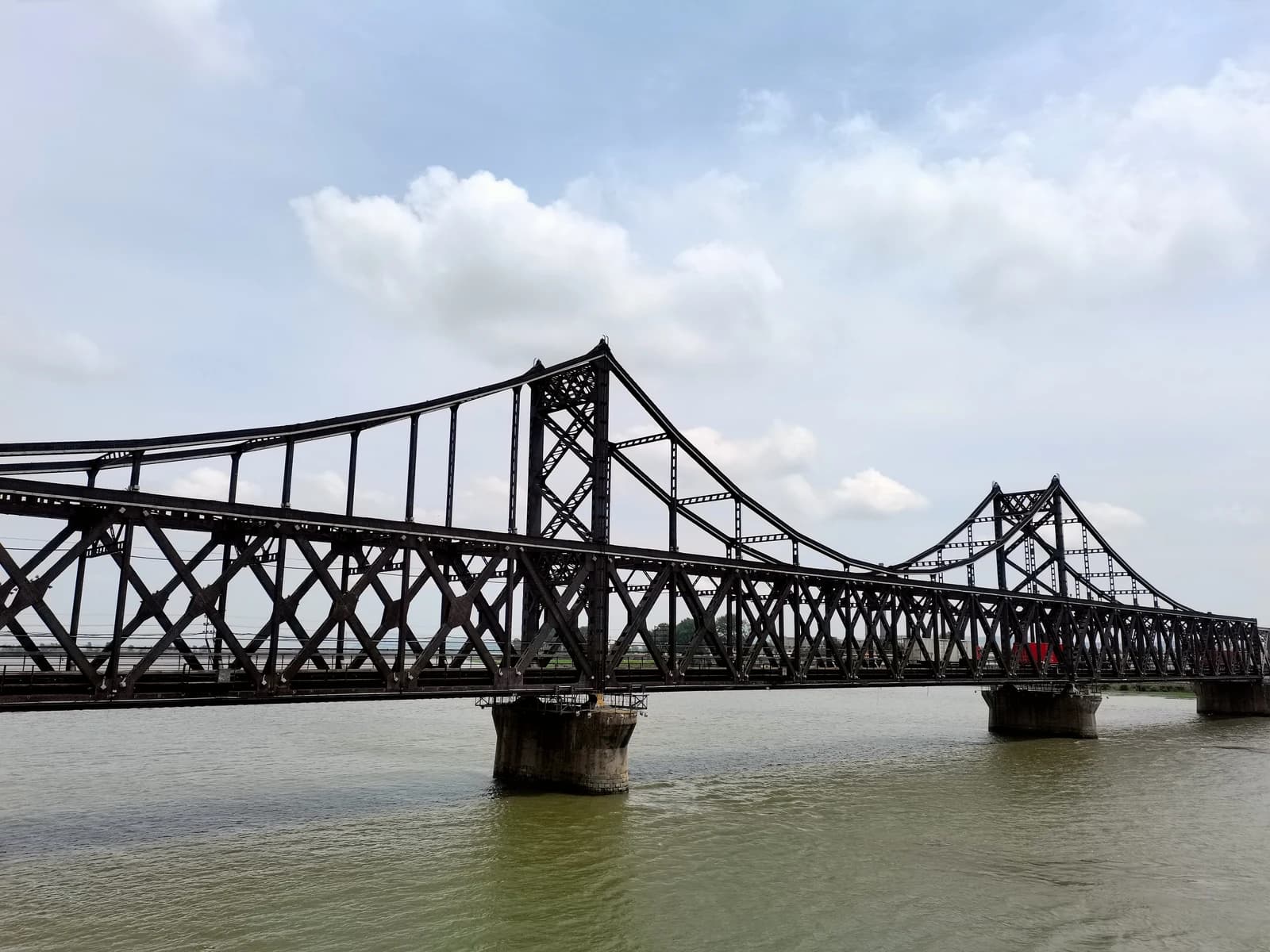
Kim crossed into China via the newly opened Yalu River bridge, a small but telling detail that speaks to the practical side of diplomacy: even heavily sanctioned states need infrastructure, trade channels and political backing to keep their systems functioning. His visit comes after a year in which Pyongyang has leaned heavily toward Moscow, and the latest stop in China suggests Kim is trying to keep both patrons engaged rather than becoming dependent on just one.
That balancing act is important economically because North Korea’s external options are limited. Its ability to secure food, fuel, industrial inputs and hard currency depends on relationships with larger neighbors, especially China. If Beijing is willing to deepen ties while Russia remains a strategic partner, Pyongyang gains more resilience against sanctions pressure. For the broader region, that means the status quo on the Korean Peninsula is less likely to soften anytime soon.
Geopolitical Risk vs EWYadalytica.com
Explore this data interactively — full history, time series and cross-market comparisons.
US-China Relations
The market implication is less about immediate earnings and more about the premium investors place on stability. Geopolitical shocks rarely stay local. Korean Peninsula tensions can influence sentiment across Asian equities, especially in export-heavy markets such as South Korea. The iShares MSCI South Korea ETF, or EWY, has been volatile, with its latest close at $152.89, well below its $175.36 50-day average, and its RSI at 37.5, a sign of recent weakness rather than strength. The iShares China Large-Cap ETF, FXI, has also softened, closing at $33.08 versus a 50-day average of $34.19, with RSI at 35.1. Those are not crisis readings, but they do show investors remain cautious about China-linked exposure as geopolitical uncertainty lingers.
The bigger narrative is that North Korea is not isolating itself so much as repositioning itself inside a tougher but more interconnected bloc of adversaries to the West. Kim’s choice to visit China now suggests he wants to keep the diplomatic channel with Beijing open even as Russia becomes more important for military and strategic support. That gives China leverage, but it also complicates any future effort by Washington and Seoul to pressure Pyongyang back toward negotiations.
For long-term investors, the takeaway is not to overreact to one visit. But it is a reminder that political risk around Northeast Asia has not gone away, and that the region’s economic map is increasingly shaped by security alignments, not just trade statistics. If you own Asian ETFs or companies exposed to the Korean Peninsula, this is worth watching for the way it could influence sanctions enforcement, defense budgets and risk premiums over the next several years.
| Entity | Gains | Losses |
|---|---|---|
| North Korea | ▲More leverage, wider support | ▼Greater dependence on patrons |
| China | ▲Diplomatic influence, regional sway | ▼More pressure over sanctions |
| Russia | ▲Stronger strategic bloc | ▼Less exclusive access to Pyongyang |
| South Korea / regional markets | ▲— | ▼Higher geopolitical risk premium |