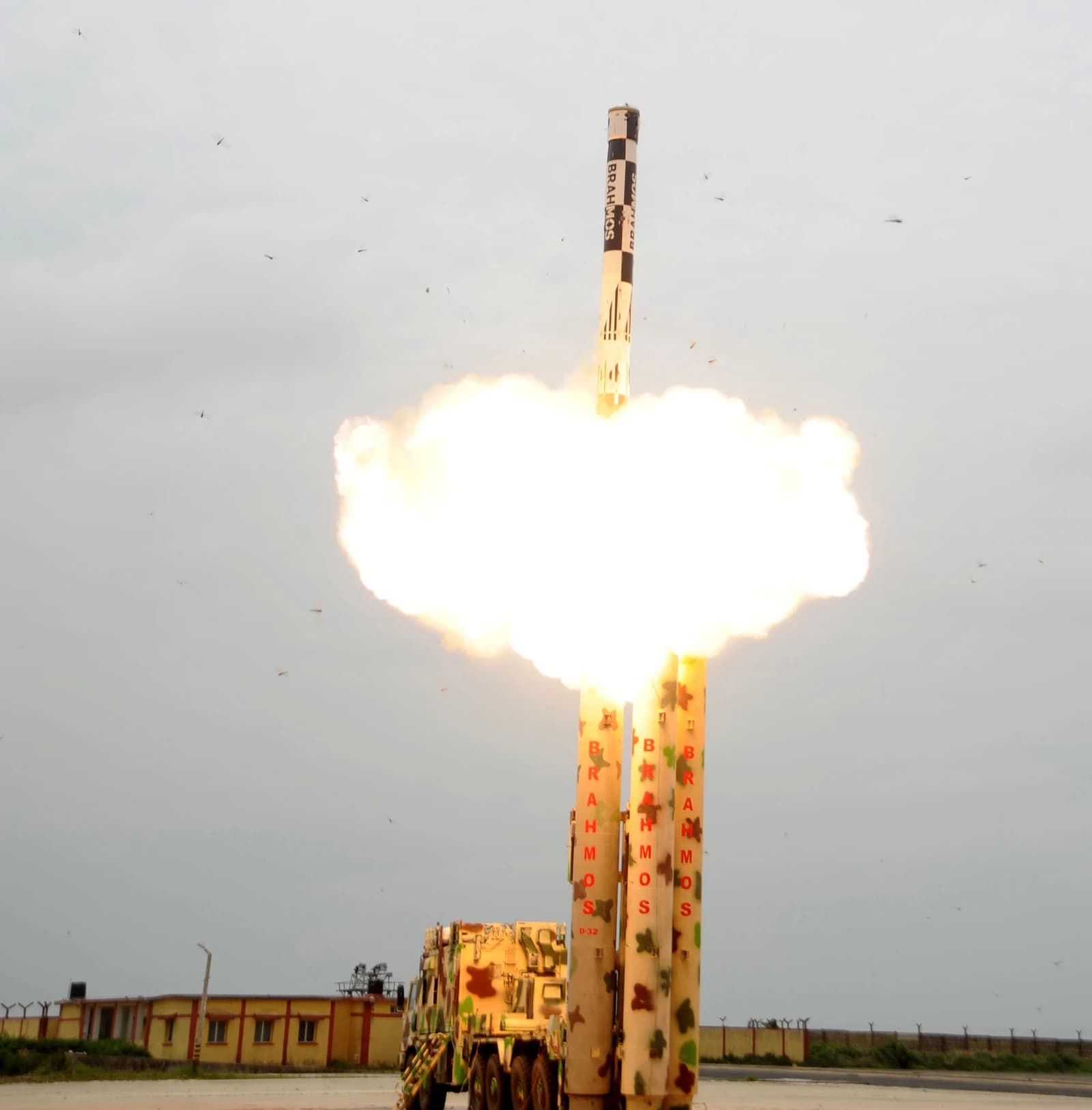
Kim Jong Un’s visit to a new missile production line underscores that North Korea is not only expanding its arsenal but also industrializing the way it makes weapons, a shift that raises the strategic cost for Seoul, Washington and their allies as Pyongyang leans more openly on backing from Russia and China.
North Korea missile production visit raises security risk
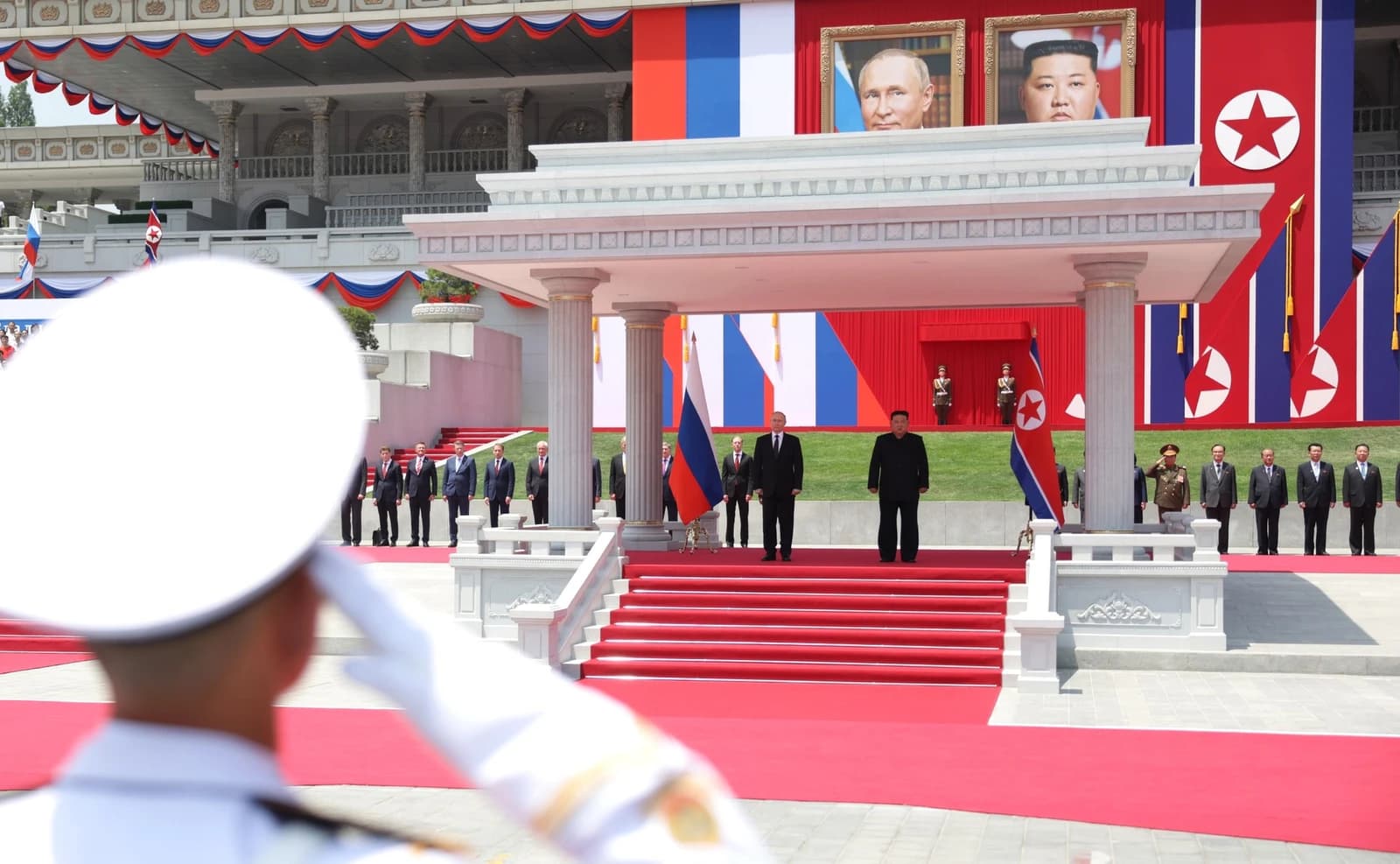
State media said Kim inspected an automated missile production process on Sunday, just before leaving for Beijing to attend a military parade marking the end of World War Two alongside Chinese President Xi Jinping and Russian President Vladimir Putin. The timing matters: it links North Korea’s weapons buildup directly to a high-profile diplomatic stage with its two most important strategic partners.
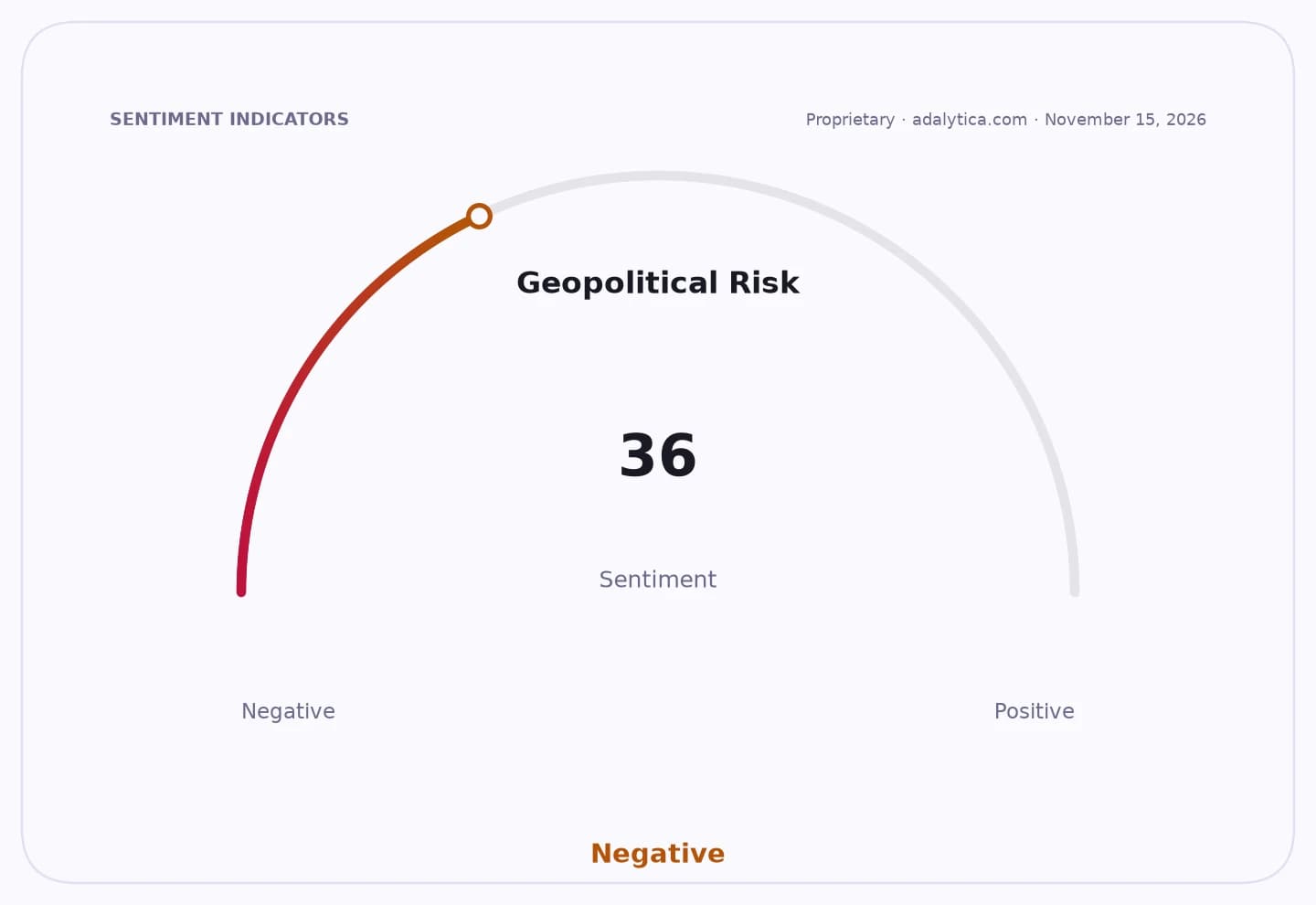
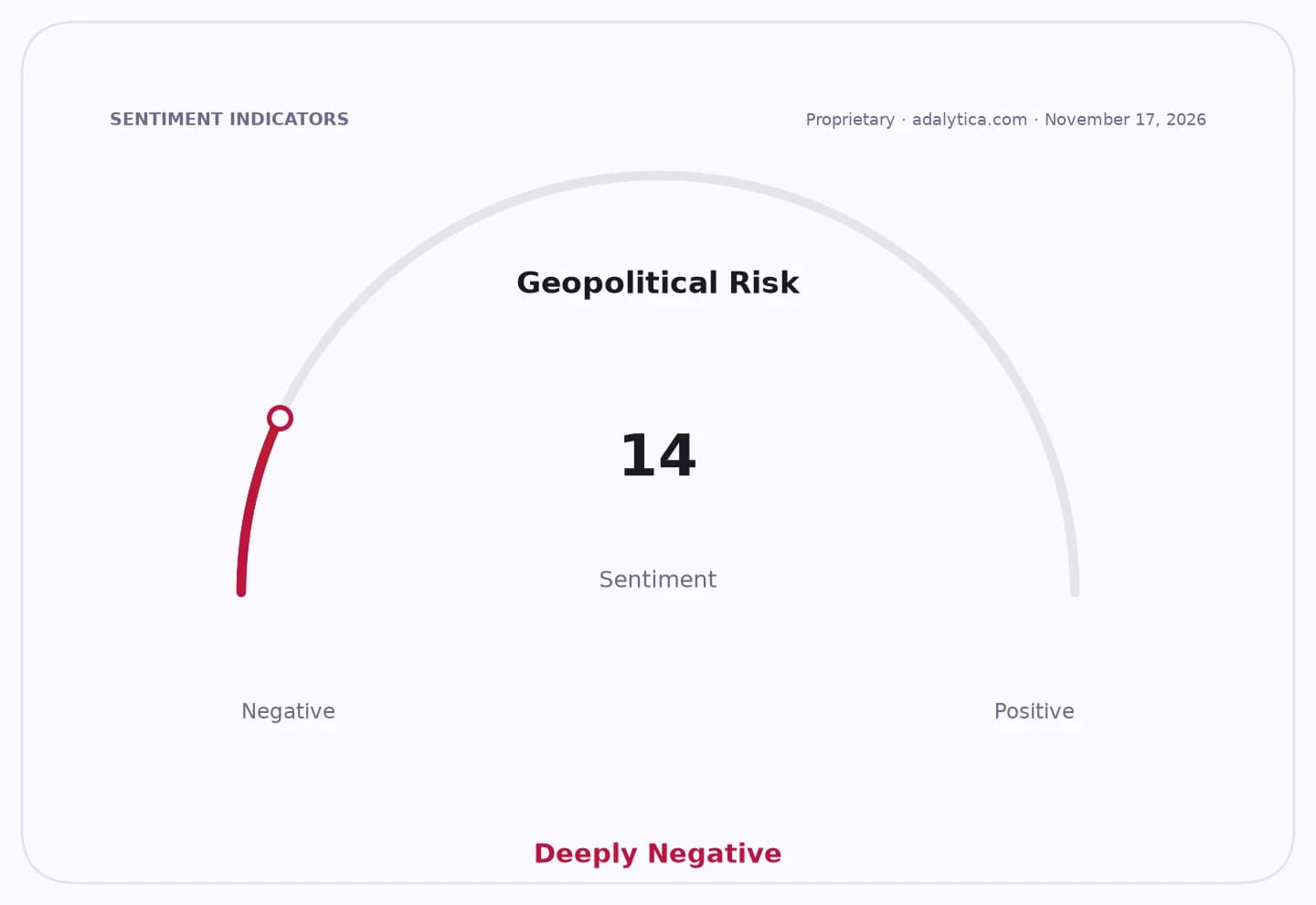
Sentiment Indicators
Geopolitical Risk
For investors, the immediate market impact is less about North Korea itself than about the wider security premium it adds to Asia, defense procurement and geopolitical risk. A more efficient missile production base implies a steadier supply of launchers and munitions at a time when Pyongyang has already been funneling troops, artillery shells and missiles to Russia for use in Ukraine. That suggests North Korea is not draining its stockpiles so much as converting wartime demand and external support into a more durable production model.
The economics of that shift are straightforward. Sanctions were designed to choke off the inputs, financing and trade needed to sustain North Korea’s weapons programs. But Reuters has reported that those restrictions have lost bite as Moscow and Beijing deepen economic, military and political support for Pyongyang. If North Korea can automate parts of missile production, it can potentially lower unit costs, increase throughput and improve readiness for its key missile units, all while making enforcement of sanctions even less effective.
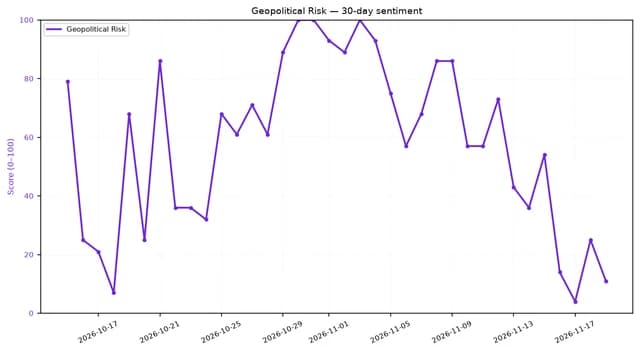
That creates a broader security problem for regional markets. South Korea and Japan remain exposed to missile and cyber risk, and Washington’s trilateral coordination with both allies is likely to intensify. Pyongyang’s Foreign Ministry on Monday denounced recent U.S.-Japan-South Korea statements warning about North Korean cyber threats, saying the three countries were using cyberspace as a “stage of geopolitical confrontation.” That rhetoric suggests the regime sees cyber operations and missile development as complementary tools in the same confrontation.
The diplomatic backdrop is just as important as the weapons factory. Kim’s trip to Beijing places North Korea visibly in the orbit of Xi and Putin at a moment when sanctions enforcement is already under strain from Russia’s war in Ukraine and China’s reluctance to further isolate Pyongyang. Even without a formal alliance, the optics reinforce a bloc of convenience that complicates Western containment efforts.
For defense investors, the story supports the case for sustained spending across missile defense, surveillance, cyber defense and munitions supply chains. For broader markets, it is another reminder that geopolitical shocks in Northeast Asia can bleed into risk appetite quickly, especially if tensions around North Korea intersect with U.S.-China relations or the war in Ukraine.
The key question is whether Beijing is willing to tolerate a more visible North Korea-Russia axis, and whether Washington responds with tighter coordination, stronger sanctions enforcement or additional military deployments. If Kim’s industrial push is matched by deeper diplomatic cover from China and Russia, the region’s security environment becomes more volatile — and harder for markets to discount.
| Entity | Gains | Losses |
|---|---|---|
| North Korea | ▲Missile output, bargaining power | ▼Sanctions pressure |
| Russia | ▲Ammunition and missile supply | ▼International isolation |
| China | ▲Strategic leverage over U.S. rivals | ▼Diplomatic friction |
| U.S., Japan, South Korea | ▲Defense contractors, missile defense demand | ▼Regional security stability |