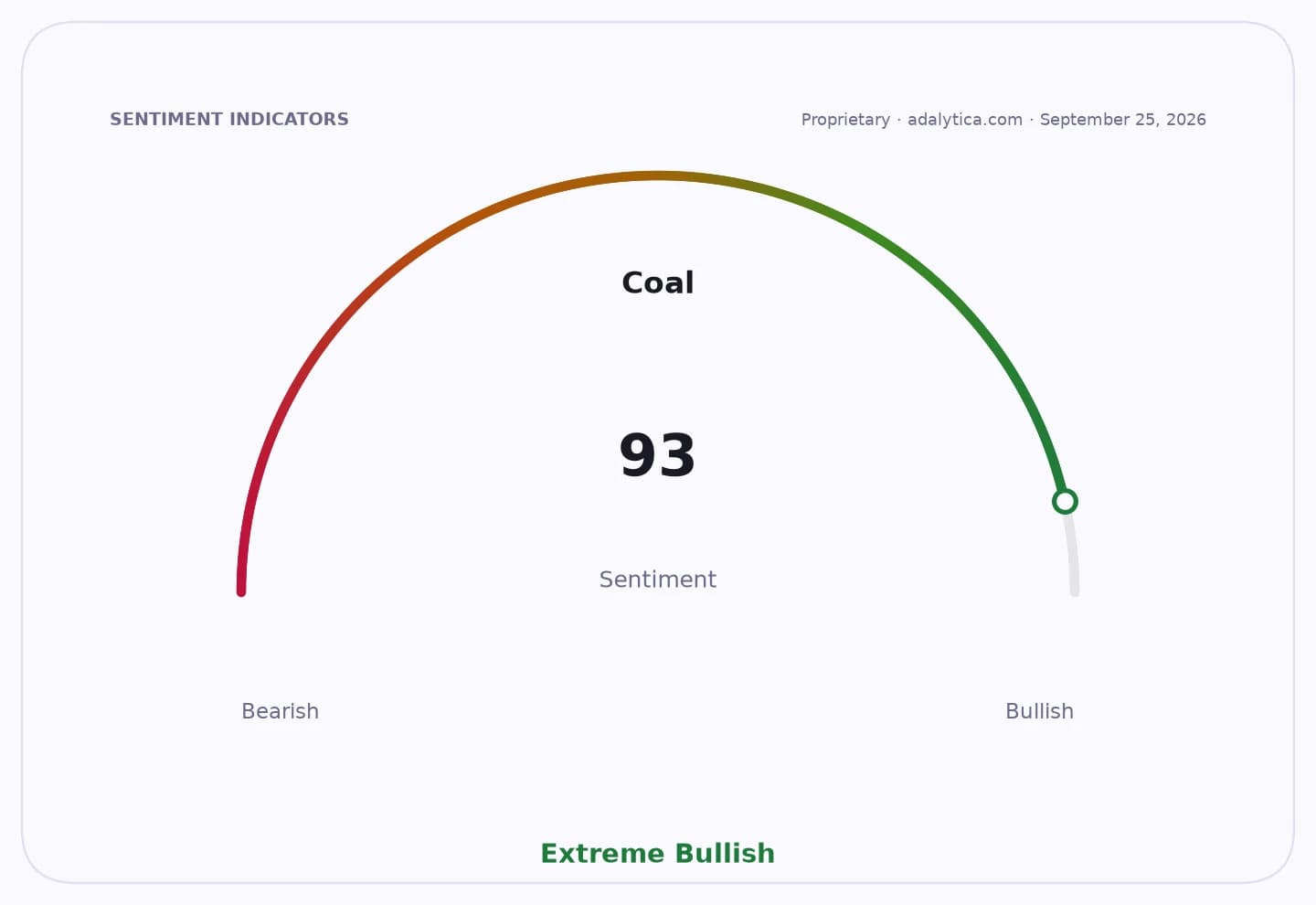
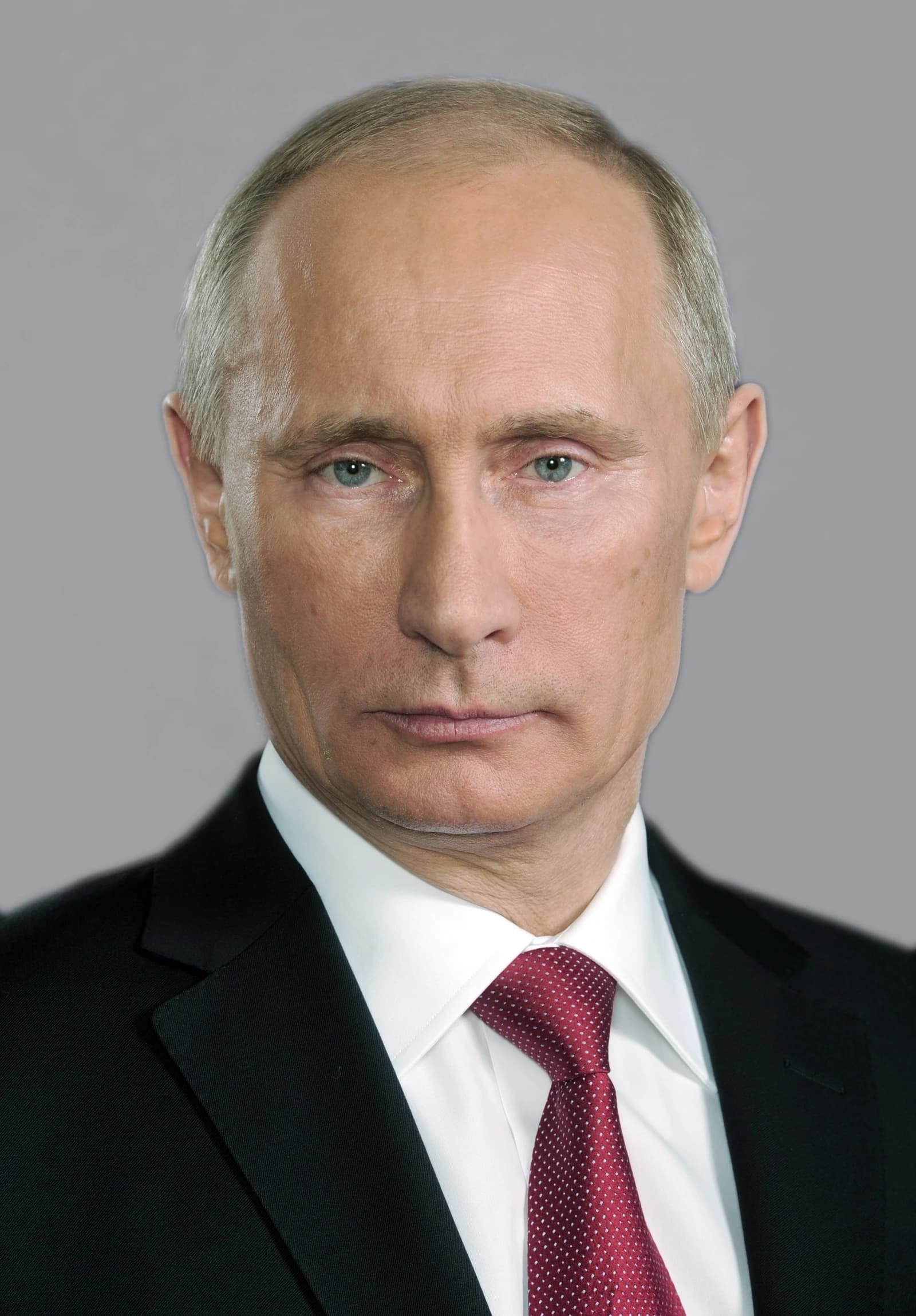
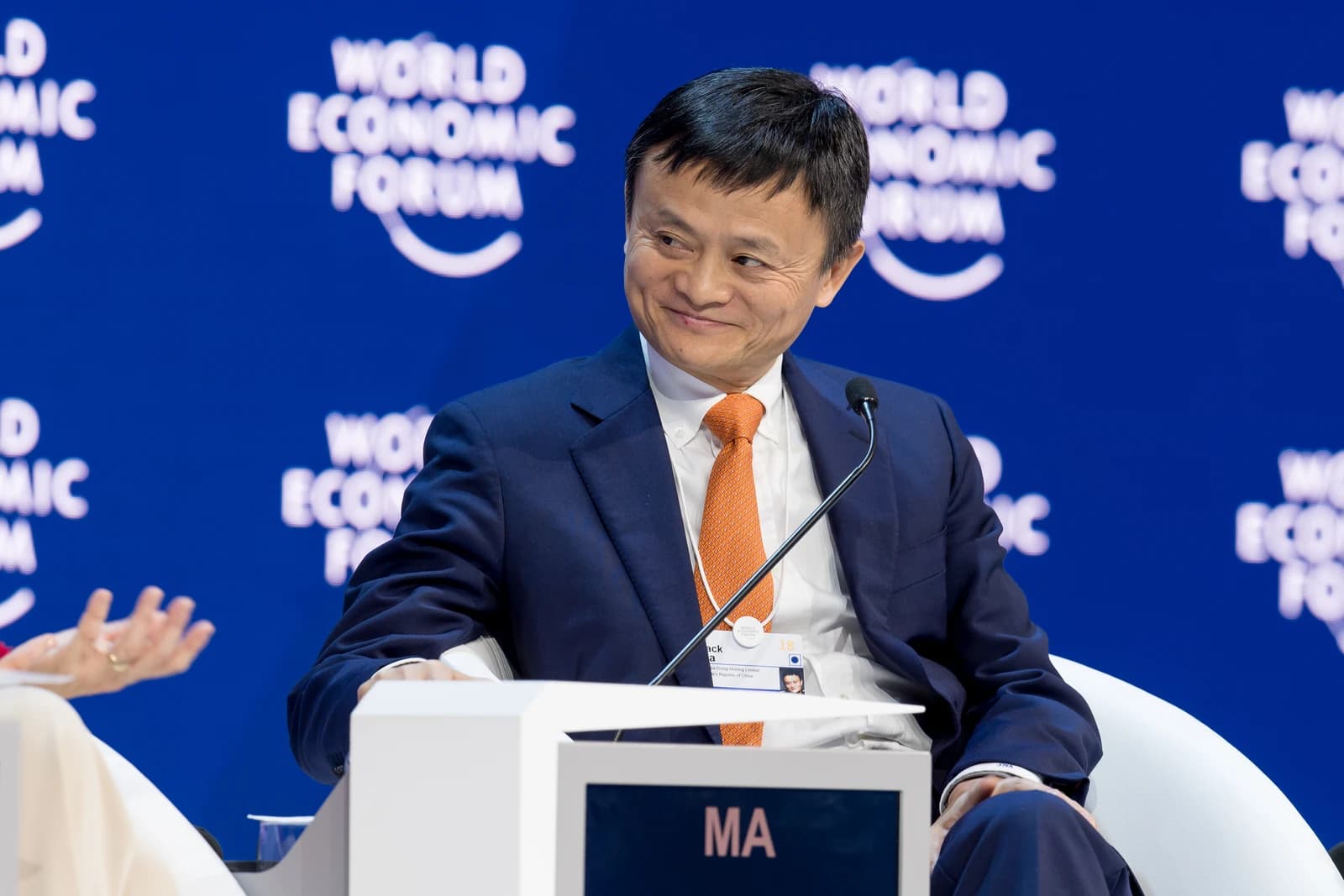
North Korea’s reported plan to send up to 30,000 soldiers to support Russia marks a new and economically consequential phase in the Ukraine war, heightening the risk of prolonged fighting, fresh sanctions and renewed pressure on energy and defense markets.
North Korea Report Spurs Energy and Defense Risk
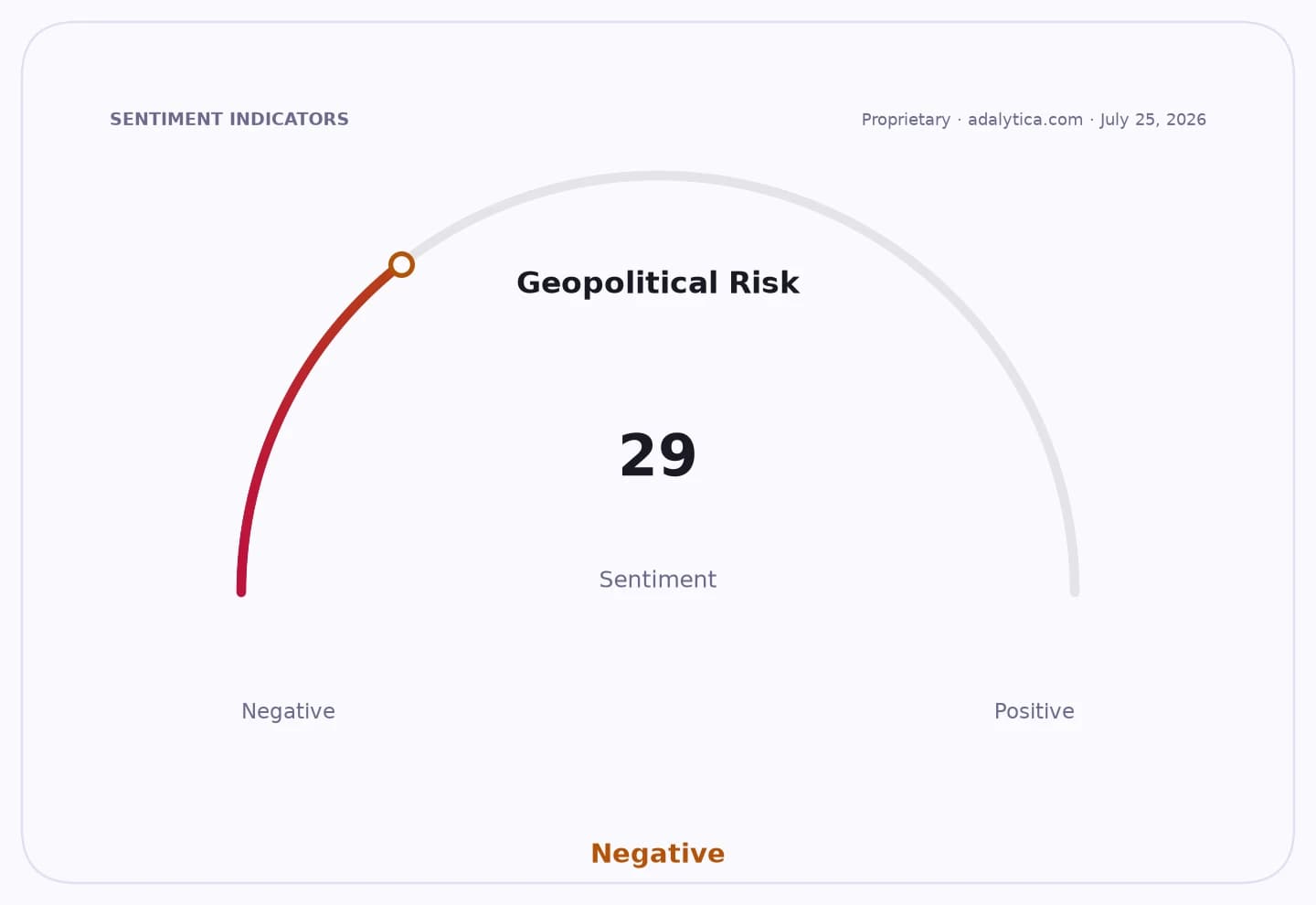
For investors, the significance is not the battlefield arithmetic alone but the message it sends: Moscow is drawing in outside manpower to sustain a war of attrition, suggesting the conflict is unlikely to fade into a managed stalemate anytime soon. That extends the period in which Europe faces security shocks, supply-chain friction and elevated geopolitical risk premia across energy, metals and defense-linked assets.
The development comes as Ukraine intensifies strikes deep inside Russian territory, including on energy infrastructure, while diplomatic contacts involving Washington, Moscow and Kyiv continue. The juxtaposition underscores a conflict that is broadening rather than settling. If North Korean troops are committed at scale, it would add another layer of internationalization to a war already shaped by sanctions, proxy support and retaliatory attacks on critical infrastructure.
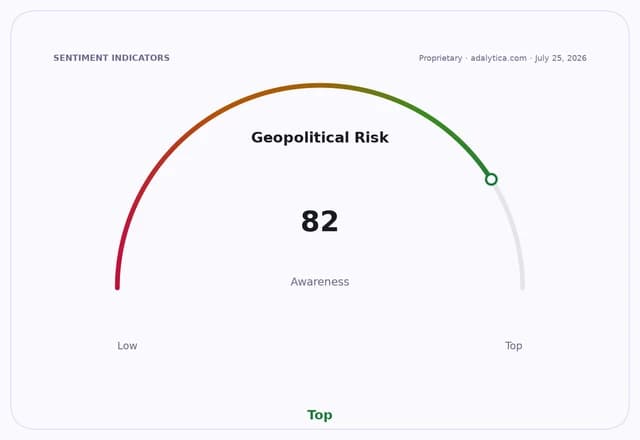
Markets are already pricing a more unstable backdrop. Oil has been volatile, with US crude recently trading above $136 a barrel after sharp swings earlier this month, while the 10-year US Treasury yield has climbed to around 4.7%, reflecting a mix of inflation anxiety and geopolitical risk. Gold has held near historically elevated levels even after recent consolidation, consistent with demand for havens when conflict risk rises. Energy equities have also stayed firm, with the XLE energy ETF near its highs, a sign that traders continue to favor producers over consumers when the outlook for supply is uncertain.
Geopolitical Risk vs USOadalytica.com
Explore this data interactively — full history, time series and cross-market comparisons.Open AlphaPulse

The economic channel is straightforward. A wider, longer war can keep Russian exports under strain, sustain sanctions on logistics and financing, and leave global oil and gas markets vulnerable to fresh disruptions. That matters beyond Ukraine: higher fuel costs feed through into transport, food and industrial pricing, complicating central bank efforts to bring inflation under control. It also gives windfall leverage to oil producers and defense contractors, while squeezing refiners, airlines, chemical makers and import-dependent economies.
The balance of risks cuts both ways. Bullish investors in energy and defense can point to a war that now appears more entrenched, with strategic premiums likely to persist. Bearish investors will note that commodity spikes can invite policy responses, demand destruction and eventual supply adjustment, especially if sanctions are tightened or ceasefire diplomacy unexpectedly gains traction. But for now, the core narrative is clear: North Korea’s reported troop deployment would widen the war’s footprint and reinforce the market’s view that geopolitical stress is not easing.
The next catalysts are whether the deployment is confirmed, how Ukraine and its allies respond, and whether Russia’s deeper reliance on external support triggers another round of sanctions or energy-market repricing.
| Entity | Gains | Losses |
|---|---|---|
| Russia | ▲More manpower | ▼Higher sanctions risk |
| North Korea | ▲Payment leverage | ▼Isolation deepens |
| Oil producers | ▲Higher risk premium | ▼Demand erosion risk |
| Consumers/importers | ▲None | ▼Higher fuel costs |